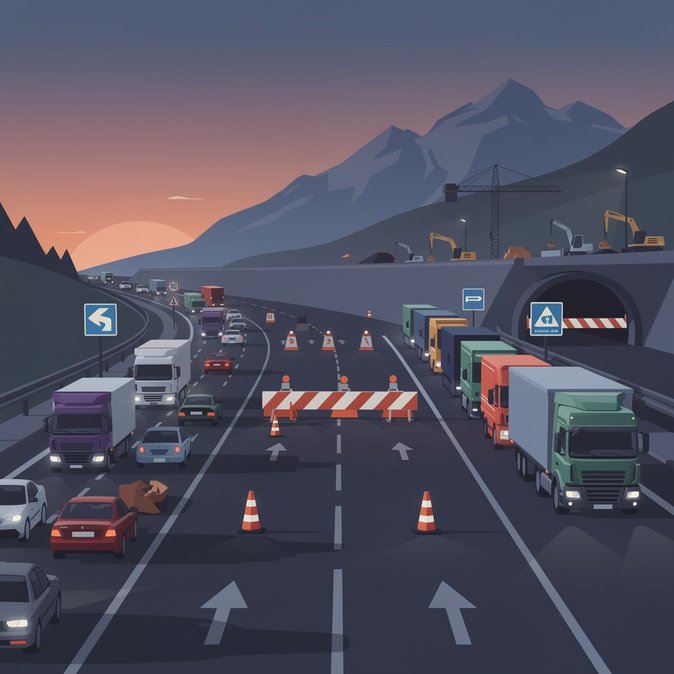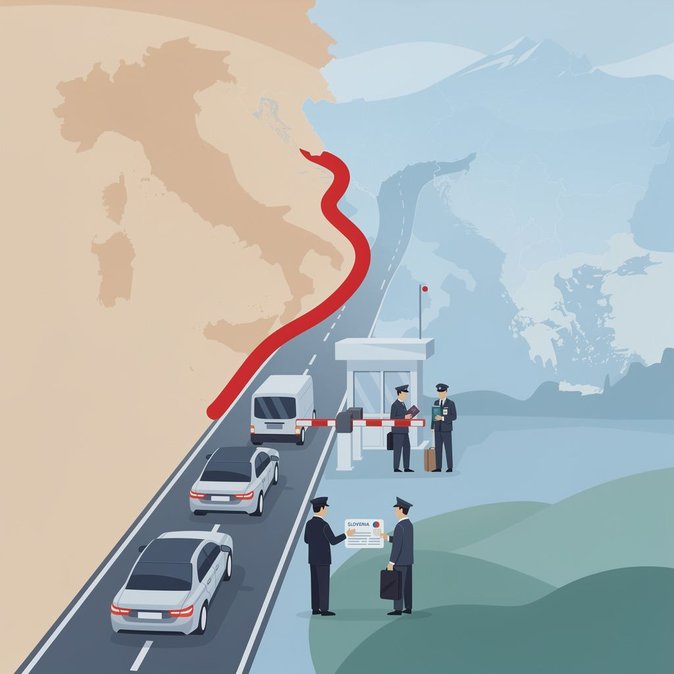
The Migration and Home Affairs portal of the European Commission confirms that Italy will maintain the temporary re-introduction of land-border controls with Slovenia until at least 18 December 2026. The measure, first adopted in October 2023 and repeatedly extended, is justified by Rome on the grounds of terrorist infiltration risks along the Western Balkan migration route and the presence of organised smuggling networks. Operationally, travellers entering Italy at the Fernetti/Trieste – Sežana and Gorizia – Nova Gorica crossings are subject to document checks and random vehicle searches. Coach operators report an average delay of 20–30 minutes per crossing, although freight flows have adapted by scheduling night-time transits when queues are shorter. The Italian Finance Police (GdF) has deployed additional canine units to screen for weapons and illicit cash movements. For companies moving staff or equipment between offices in Ljubljana and Trieste, the extension means continuing compliance with posted-worker notifications, as the stamped entry date can differ from electronic toll-collection timestamps used for payroll records. HR teams should remind employees holding residence permits from other Schengen states to carry physical cards, as border guards have requested originals rather than digital copies. The Commission will deliver a new proportionality assessment in November. Under Article 27a of the Schengen Borders Code, controls exceeding two years are subject to particularly stringent scrutiny, and business lobbies in Friuli-Venezia Giulia are pressing Rome to adopt targeted police cooperation instead of blanket checks. Until a policy shift occurs, planners should assume that Christmas-season travel between Italy and Slovenia will still involve formal border procedures.