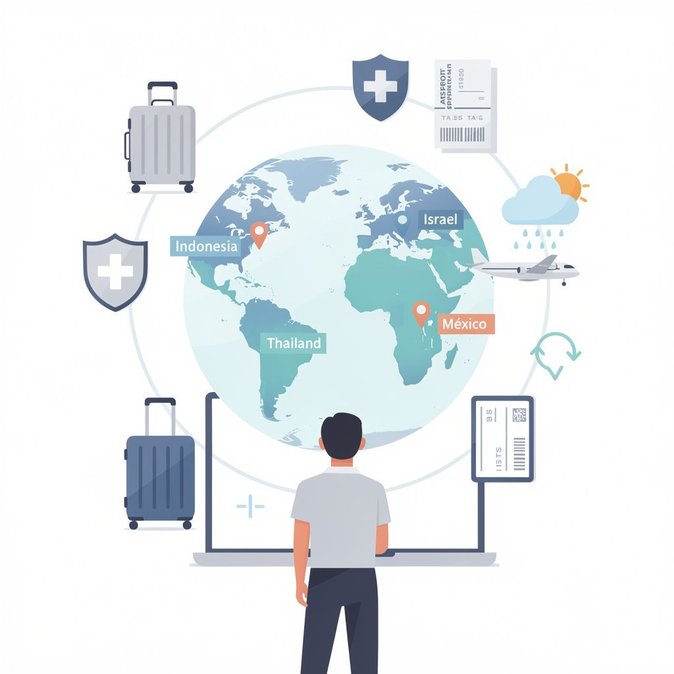
The Department of Foreign Affairs and Trade (DFAT) refreshed five travel advisories on 15 October 2026, reflecting evolving security, health and consular risks that Australian citizens should weigh before heading overseas. • Indonesia – The overall level remains “Exercise a high degree of caution”, but DFAT added a warning about a spate of petty-crime incidents targeting tourists in Bali’s Canggu nightlife district. Travellers are urged to secure valuables and purchase comprehensive travel insurance that covers motorbike accidents, still the leading cause of hospital admissions for Australians in Indonesia. • Israel – Owing to sustained regional tensions, the advisory stays at “Reconsider your need to travel”. DFAT now specifically cautions against non-essential movement near the northern border with Lebanon after sporadic rocket fire, and reminds dual nationals that exit requirements can change at short notice. • Thailand – The level remains “Exercise a high degree of caution”, but new text highlights increased dengue-fever cases in Bangkok and Chiang Mai during the wet season. Business travellers should ensure employer-provided insurance includes hospitalisation for vector-borne diseases. • Mauritius – The Indian Ocean paradise continues to merit “Exercise normal safety precautions”, yet DFAT notes heightened cyclone activity forecast for November–February and advises monitoring local alerts. • Mexico – The advisory continues at “Exercise a high degree of caution” nationwide, while urging travellers to reconsider visits to Sinaloa, Guanajuato and Sonora because of violent crime. Australians working in the automotive supply chain centred in Guanajuato should review corporate security protocols. The simultaneous updates underscore DFAT’s practice of ‘rolling reviews’, which can affect corporate duty-of-care assessments and insurance premiums. Companies with regional offices are recommended to circulate the revised advice and confirm that staff have registered for Smartraveller email alerts. As always, DFAT does not pay medical bills or evacuate uninsured travellers, making suitable cover essential.
Source: Smartraveller