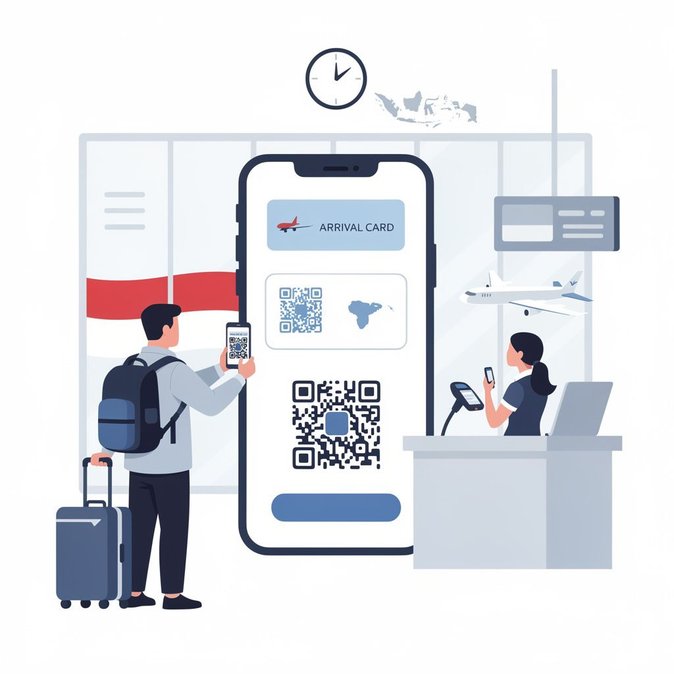
The Department of Foreign Affairs and Trade has updated its Smartraveller advisory for Indonesia, warning that from 15 October travellers must complete two digital steps prior to boarding: (1) an online arrival card and (2) payment for an e-Visa on Arrival (e-VOA) via the All Indonesia website. The change applies at all international air and sea ports, including Bali’s Ngurah Rai Airport. While the e-VOA had already become commonplace, airlines had continued to allow paper arrival cards to be filled out in-flight. Indonesia’s immigration service will now deny boarding to passengers who cannot show the QR-coded arrival card confirmation email. Australian tour operators say the dual requirement has caught some holiday-makers by surprise during the busy spring break period. Call-centre data from a major carrier indicate a 42 % spike in pre-departure support queries since the update. Business travellers should ensure corporate travel apps are patched with the new URLs and remind staff to avoid copy-cat websites that charge unofficial processing fees. Failure to secure the e-VOA in advance can still be remedied on arrival, but long queues and payment-gateway failures have been reported at Jakarta and Denpasar in recent pilot runs, potentially jeopardising tight meeting schedules. Companies with mobile workforces in the region are advised to circulate step-by-step guides and add at least 30 minutes buffer time to itineraries until passenger flow stabilises. The advisory reiterates that working, researching or volunteering on a tourist visa remains illegal and that Indonesian authorities are increasingly scrutinising social-media influencers who generate revenue while in country. Fuel-distribution delays in parts of Bali, leading to long petrol-station queues, were also flagged as a new operational risk for ground transport.
Source: Smartraveller (DFAT)