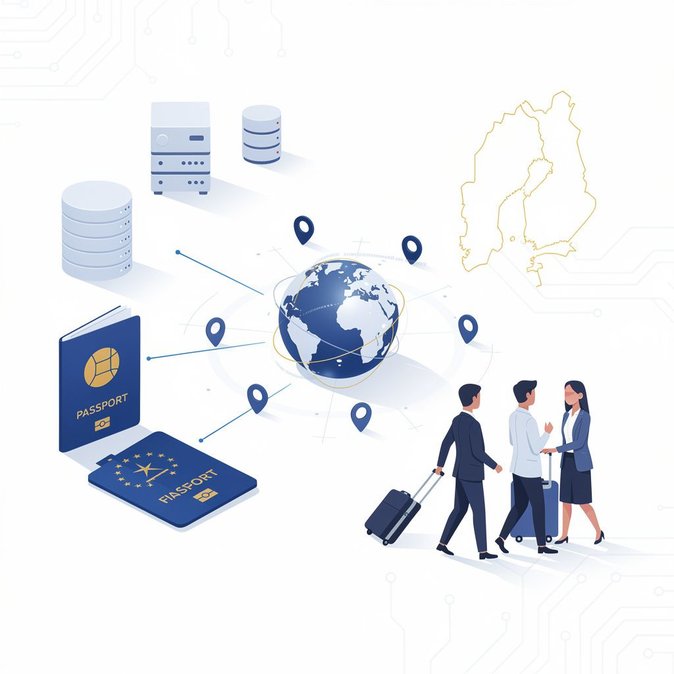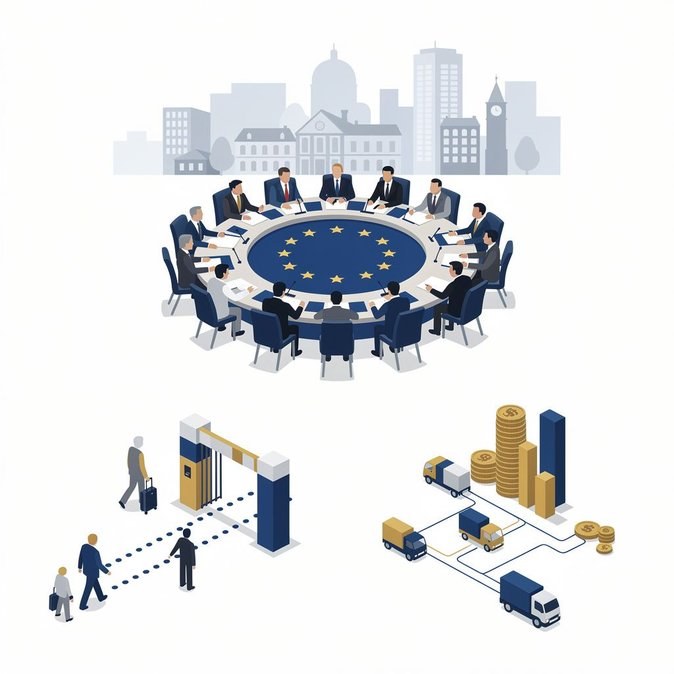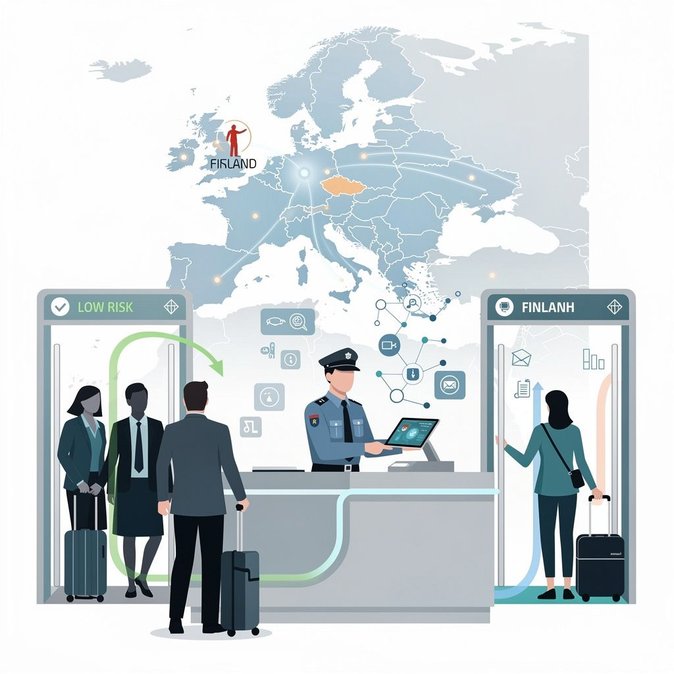
Finland’s border guards woke up on 15 October to a significant upgrade in the data they see every time a traveller’s passport is swiped. The European Commission activated a new “information alert” category in the Schengen Information System (SIS) that allows EU member states to upload vetted intelligence received from trusted third-country partners and organisations such as Interpol and Europol. The new alert covers suspected terrorists, organised-crime figures and foreign-fighter returnees; once the record is in SIS it is immediately visible to every passport officer in the 30 Schengen states, including those manning Helsinki Airport and Finland’s eastern land border. For Finnish authorities, the timing could not be better. With the country’s 1 340-kilometre land frontier with Russia still closed to regular passenger traffic and hybrid-threat warnings elevated, the National Bureau of Investigation has been pressing for real-time intelligence on third-country nationals who might try to reach Finland through other Schengen states and then move north by rail or air. The new functionality means that if, for example, the United States flags a suspected extremist who recently transited Turkey, the alert will flash in FinBorder’s workstation the moment the person presents a travel document at any Finnish crossing point. The upgrade also dovetails with Finland’s own investment programme for the national Visa Information System (VISA 2026-2028), ensuring that both visa issuance data and SIS risk alerts can be cross-checked in seconds. According to the Ministry of the Interior, front-line officers will receive additional training on the new alert this week and the Police Board has issued guidance on the proportionality tests that must precede any detention or refusal of entry. For businesses that move staff in and out of Finland, the immediate practical impact is subtle but important. Companies will face more secondary questioning if an employee’s travel profile resembles patterns associated with the new alert categories (for instance, frequent trips to conflict zones). Mobility managers are therefore advised to review traveller tracking tools and ensure that employees carry supporting documentation for itineraries that could raise red flags. Conversely, the system promises quicker green-lane processing for low-risk passengers because officers can make more confident decisions with better data at their fingertips. Looking ahead, the Commission says all member states must report by March 2027 on how they have integrated the information alert into their national border-management workflows. Finland’s Ministry of Finance has already earmarked €1.4 million for further automation that would allow the alert to trigger an automatic check against passenger-name-record (PNR) data before an aircraft bound for Helsinki even departs.