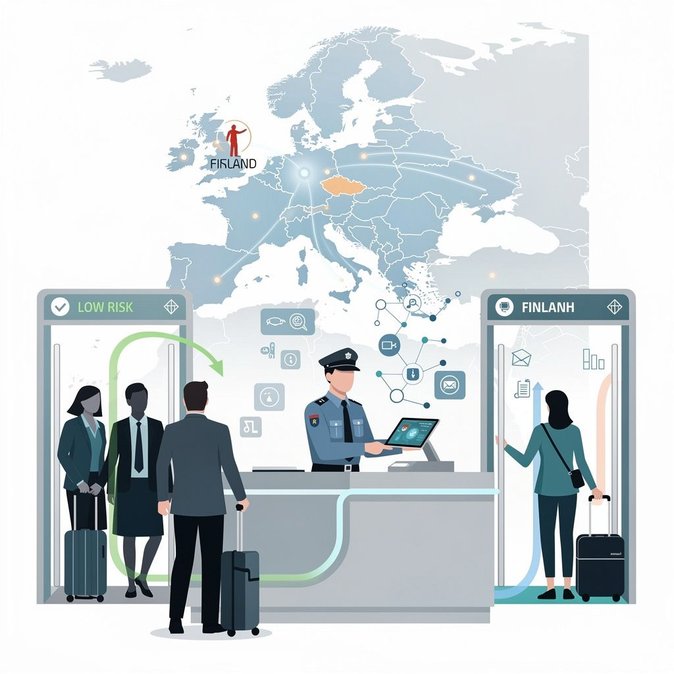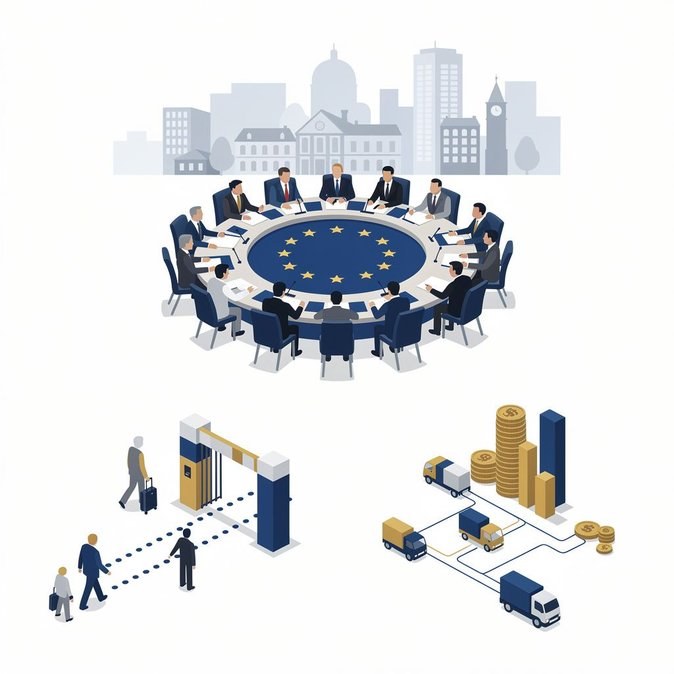
Heads of state and government from the EU-27 gather in Brussels today, 15 October 2026, for a two-day European Council that is expected to be dominated by migration, enlargement and the budget framework for 2028–34. For Finland, the meeting offers a first chance to shape how the recently adopted Pact on Migration and Asylum will be financed and enforced. According to the official summit agenda, leaders will review the state of implementation of the Pact, which formally enters into force on 12 June 2026. Finnish officials told reporters en route to Brussels that Helsinki will argue for a dedicated funding line of at least €4 billion to modernise infrastructure and surveillance along the Union’s external land borders, including Finland’s 1 340-kilometre frontier with Russia. The government also wants Frontex deployments to be triggered automatically when a member state closes border points for security reasons, a provision not yet spelled out in EU law. Finland’s delegation will also raise concerns about visa shopping by Russian nationals after several member states tightened or suspended tourist visa issuance. Helsinki fears that uneven policies could channel travellers through the Baltic Sea ferry network, creating new screening burdens at ports such as Helsinki, Turku and Mariehamn. It is therefore expected to back proposals for a temporary Schengen-wide suspension of multiple-entry visas for leisure purposes while retaining channels for family, humanitarian and business travel. Beyond migration, the summit will debate the EU’s long-term budget. Finland is part of a so-called “frugal-six” group that seeks to limit overall spending growth but is prepared to ring-fence funds for border management and critical infrastructure. Diplomats say compromise may hinge on whether border spending is counted inside or outside the main expenditure ceilings. For multinational employers relocating staff to Finland, the outcome could influence processing times for work and residence permits if additional EU resources are made available for digital case-handling systems and language-training support. Companies with operations along the eastern border should also monitor potential upgrades to customs and transit facilities that could ease the movement of goods once security conditions allow.