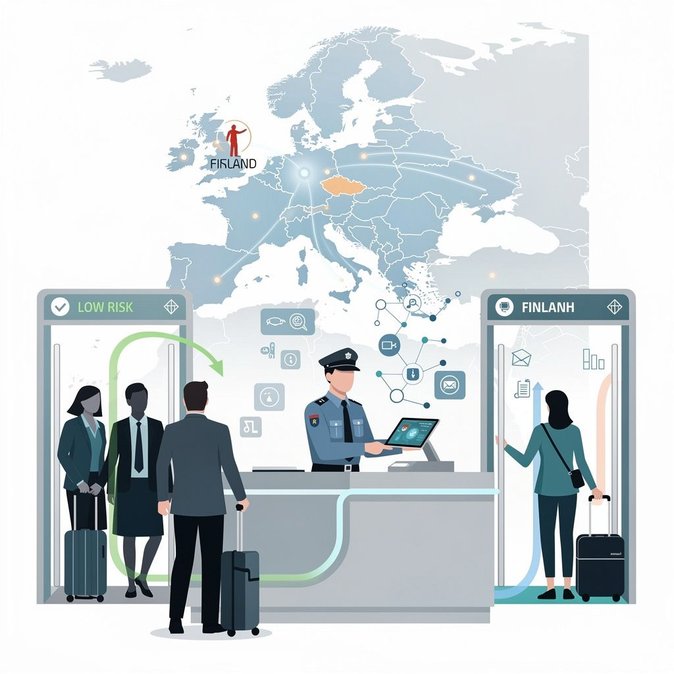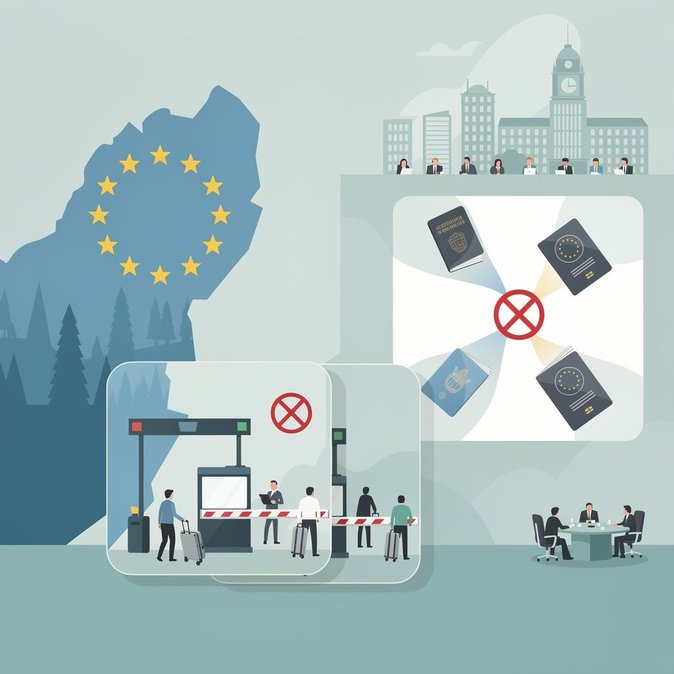
Speaking before Parliament’s Grand Committee on 14 October 2026, Prime Minister Petteri Orpo set out Finland’s priorities for the European Council meeting that opens today in Brussels. Migration will feature prominently on the summit agenda, and Orpo told MPs that Helsinki intends to take a hard line on Russian leisure travel while supporting rapid implementation of the EU’s new Pact on Migration and Asylum. Finland closed all land-border crossing points with Russia in December 2023 and has renewed the measure several times, citing Moscow’s use of irregular migration as hybrid pressure. Although the policy is nationally determined, Orpo said Finland wants EU-wide restrictions on the issuance of tourist visas to Russian nationals so that “pressure cannot simply be diverted through other Schengen countries.” The Grand Committee pressed the premier on how Finland would persuade more hesitant member states; Orpo replied that Helsinki is building a coalition with the Baltic States, Poland and the Czech Republic to table a joint declaration during the summit’s migration debate. The prime minister also linked the visa question to broader reform of Schengen border governance. “We need common funding for physical infrastructure, digital screening systems and Frontex deployments,” he noted, arguing that external-border states such as Finland shoulder disproportionate costs that ultimately protect the entire Union’s freedom of movement. Orpo said he will propose earmarking at least €4 billion in the EU’s next Multiannual Financial Framework (2028–34) for border management. For Finnish businesses, tighter visa policies could prolong restrictions on Russian client visits and cross-border trade that have been curtailed since 2022. However, Orpo stressed that humanitarian exemptions and legitimate business travel would remain possible under a streamlined approval process managed centrally by the EU’s new Visa Digitalisation Platform, expected to go live in mid-2027. Companies were advised to prepare documentation proving the essential nature of any Russian travel well in advance. Analysts say Orpo’s stance reflects both security concerns and domestic politics: the governing coalition has promised significant immigration tightening. Whether Finland can convince larger member states remains uncertain, but observers agree that the issue will shape the tone of this week’s summit and the first year of the Migration Pact’s operation.
Source: Eduskunta (Finnish Parliament)