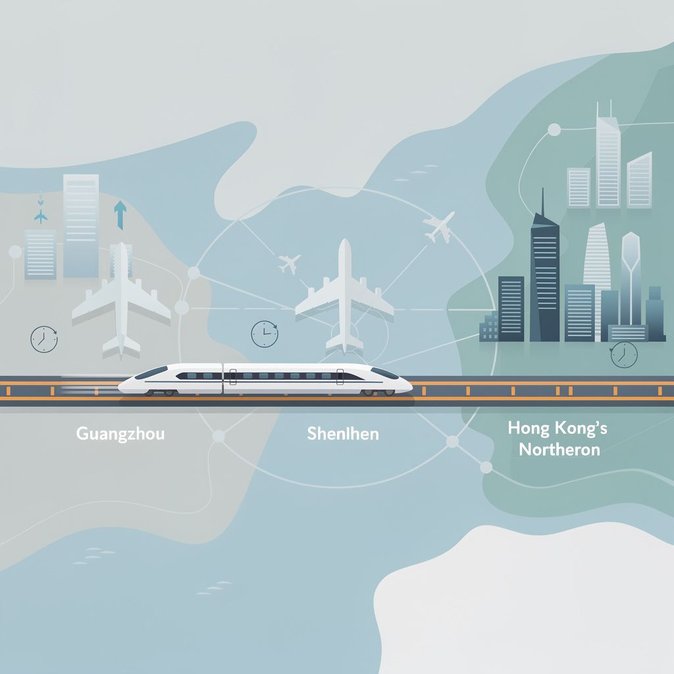
Hong Kong’s tourism recovery has shifted up another gear. The Hong Kong Tourism Board (HKTB) revealed on 15 October that the city welcomed about 4.03 million visitors in September, a 22 % year-on-year surge that pushed cumulative arrivals for the first nine months of 2026 past the 40 million mark. Traffic from the Mainland – which now benefits from high-speed rail, simplified travel permits and a visa-free pilot for many cities – grew almost 30 %. Long-haul arrivals from North America and Europe also edged higher as flight frequencies were gradually restored. Behind the numbers lies an aggressive event-led strategy. September coincided with Mid-Autumn Festival celebrations such as the Tai Hang Fire-Dragon Dance and the new International Lantern Spectacular, which blanketed social media feeds across Asia. HKTB executives said the “Only in Hong Kong” campaign is deliberately linking cultural heritage with contemporary light shows to lengthen visitor stays and lift per-capita spend. The board’s data confirm a decisive pivot toward high-yield segments. Meetings, Incentive, Convention and Exhibition (MICE) bookings are running at 85 % of 2019 levels, and October’s Wine & Dine Festival is already over-subscribed. Corporate travel managers report that hotel average daily rates (ADRs) are up 14 % compared with the first quarter, but buyers still value Hong Kong’s hub status and border-crossing ease into the Greater Bay Area (GBA). Capacity, however, remains the single biggest constraint. Airlines serving short-haul markets continue to face aircraft and crew shortages, keeping fares elevated. Industry analysts warn that unless seat supply rises by Lunar New Year, price pressure could blunt demand from price-sensitive Southeast Asian tourists. HKTB says it is working with carriers on joint promotions and has floated the idea of a “GBA multi-stop pass” that would bundle rail, ferry and bus connections in one ticket. For global mobility, the September data matter because they signal that Hong Kong’s visitor economy – a key driver of serviced-apartment demand, expatriate assignments and cross-border meetings – is firmly back in growth territory. Multinational employers can again assume near-normal connectivity for staff rotations, while travel buyers should budget for firmer hotel and airfare pricing in the fourth quarter.
Source: Travel and Tour World