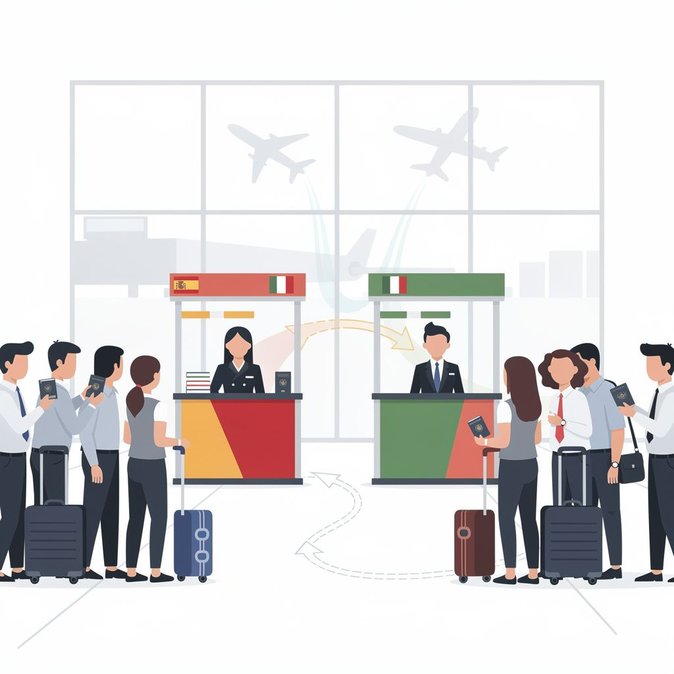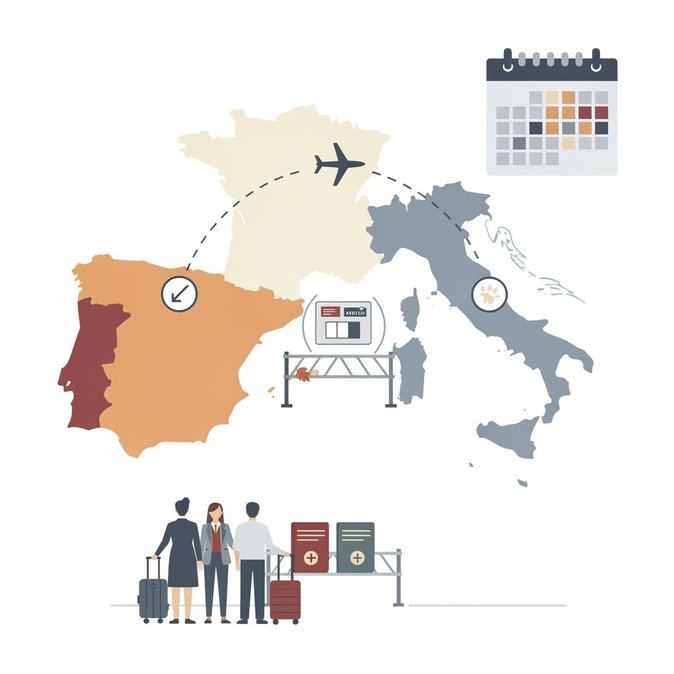
The Italian Interior Ministry has prolonged for seven additional days the temporary border controls it introduced on 1 August for passengers arriving from Spain. The extension, announced on 16 October and valid until 22 October, applies to all air- and seaports. Travellers from Spain—including EU citizens—must therefore continue to show passports or ID cards on arrival, and third-country nationals face selective questioning about itinerary and purpose of stay. Italy originally reinstated checks after a sudden spike in irregular entries via Ceuta at the end of July triggered political tension between Madrid and Rome. Under Schengen rules, internal borders are normally control-free, but member states may reintroduce checks temporarily when public order or internal security is deemed at risk. The latest extension aligns Italy’s timetable with Spain’s own reciprocal controls and sets the stage for a bilateral interior-ministers’ meeting next week aimed at finding “alternative cooperation measures”. Airlines and ferry operators have already built extra processing time into their schedules and report minimal disruption so far, but corporate travel managers are warning of possible bottlenecks during the busy autumn trade-fair season. Companies moving staff between the two countries—particularly fashion, automotive and agrifood multinationals with plants in Lombardy, Catalonia and Valencia—should brief travellers to carry physical ID, allow 30–45 minutes’ extra at arrival halls, and monitor updates from both governments. Legal analysts note that this is Italy’s third renewal since August, taking the measure close to Schengen’s two-month cap for initial “Article 25” reintroductions. Any further prolongation would require Italy to invoke the longer, and more legally onerous, Article 29 procedure that covers persistent threats. The European Commission has already asked both capitals to justify the proportionality of the measures and will weigh in once the bilateral talks conclude.
Source: Euronews