Austria, Bulgaria and Kazakhstan agree closer cooperation on border security and return operations
Austria extends temporary protection for Ukrainians to March 2028 and restores access to family and childcare allowances
EU list confirms Austria’s internal border controls with four neighbours will remain until 15 March 2027
Latest News

Austria Issues Updated 2026 Shortage-Occupation List, Opening More Sectors to Non-EU Talent
The Labour Ministry has published an amended 2026 shortage-occupation list, effective 18 October 2026, adding engineering, health-care and skilled-trade roles to Austria’s fast-track Red-White-Red Card scheme. The change lets employers hire non-EU specialists more quickly and at lower salary thresholds, addressing acute labour shortages in energy and infrastructure projects. Companies should realign recruitment plans immediately.

Interior Minister Karner Hosts Bulgarian and Kazakh Counterparts to Tighten External-Border Cooperation
Interior Minister Gerhard Karner met his Bulgarian and Kazakh counterparts in Vienna on 18 October 2026 to discuss joint measures against migrant smuggling and to strengthen EU external-border security. Falling apprehension numbers on the Austrian-Hungarian border bolster Vienna’s case that stricter controls abroad can replace internal Schengen checks—a development that could reshape business travel in the region.
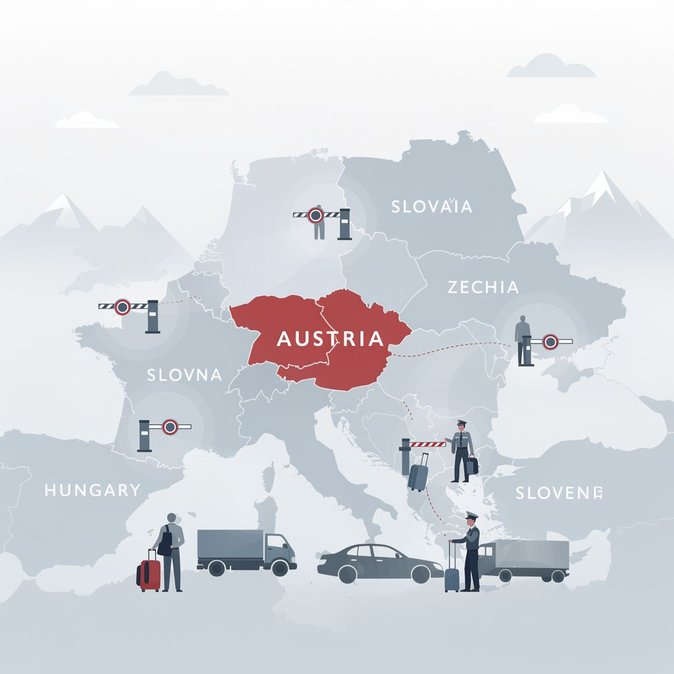
EU List Confirms Austria’s Internal Border Checks Extended to 15 March 2027
An updated European Commission table shows Austria has formally prolonged internal Schengen border controls until 15 March 2027, citing security and migration concerns. The move means continued spot checks on the borders with Slovakia, Czechia, Hungary and Slovenia—affecting passenger and freight traffic and requiring travellers to keep passports handy.
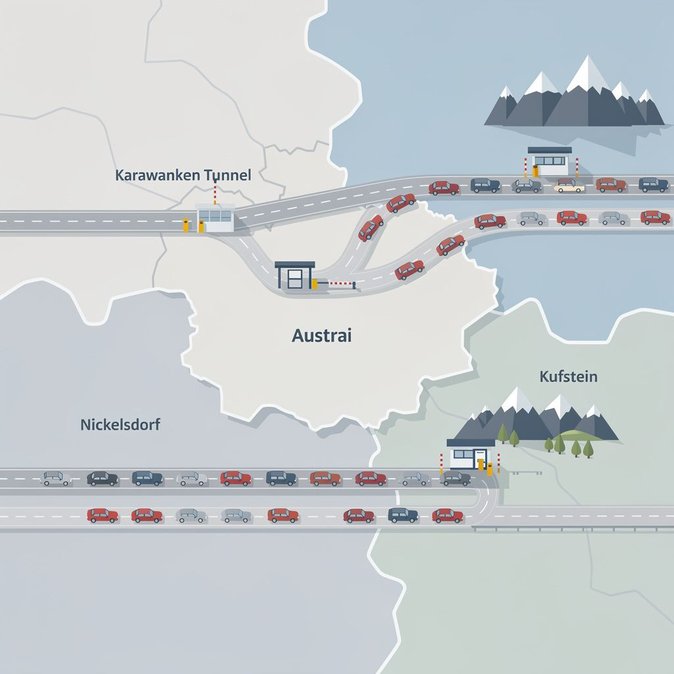
Austrian Traffic Broadcaster Warns of Weekend Border Queues as Internal Checks Continue
Radio Ö3’s 18 October traffic bulletin warns of extended tailbacks at Austria’s controlled Schengen borders this weekend, with the Karawanken Tunnel, Nickelsdorf and Kufstein among the worst hotspots. The congestion stems from ongoing internal border checks, reminding companies and travellers to allow extra time or seek alternative routes.