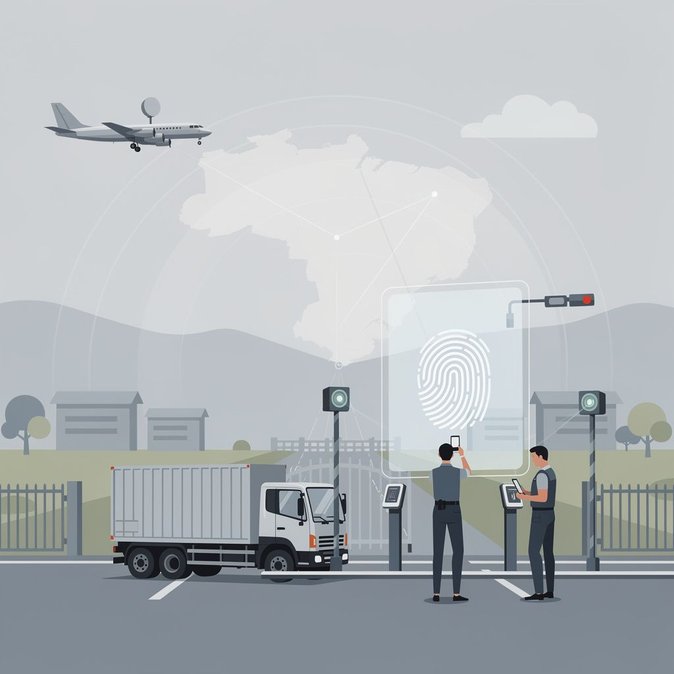
Senior officials from Washington and Asunción signed a package of defence and interior-security agreements on 22 October that will reverberate across Brazil’s porous western frontier. During a visit by U.S. Deputy Secretary of State Christopher Landau, the two governments concluded an Air Interdiction Assistance Agreement giving the Paraguayan air-force authority, training and technology to track and, if necessary, force down aircraft suspected of narcotics trafficking. A second accord will install the U.S.-developed PISCES biometric border-management system at key crossings in Alto Paraná and Amambay—direct routes into Brazil’s Mato Grosso do Sul. Together the deals unlock US$11.75 million in immediate U.S. funding for equipment, training and the opening of a regional office of the Bureau of International Narcotics and Law Enforcement Affairs (INL) in Asunción. For Brazilian corporates with supply chains running through the Tri-Border Area, the new measures could translate into more rigorous inspections of cargo and passenger movements, additional documentation checks and potential delays at Ciudad del Este/Foz do Iguaçu. Compliance teams should review routing options and build extra lead-time into itineraries, especially for high-value goods vulnerable to seizure. The accords also raise the risk profile for expatriate staff and visiting executives, as Paraguayan authorities gain real-time data-sharing links with U.S. agencies and INTERPOL watch-lists. Diplomatically, Brasília was not party to the signing but will feel the effects. Presidential foreign-policy adviser Celso Amorim has already voiced concern that an expanding U.S. security footprint in Paraguay could amount to a “pincers movement” around Brazil. While the agreements focus on drug interdiction and counter-terrorism, critics argue that the embedded status-of-forces protocols echo the controversial SOFA ratified by Paraguay in March 2026, granting U.S. personnel broad immunities. Any future deployment of U.S. assets on Paraguayan soil would place allied troops within 30 km of Brazilian territory. From a mobility standpoint, heightened surveillance is expected to tighten visa vetting and secondary inspections for travellers crossing by road or air between the two countries. Companies should brief travellers on likely questions about purpose of visit, cash declarations and electronic devices. Logistics operators may also be required to pre-register driver biometrics once PISCES terminals go live later this year.
Source: RT Brasil