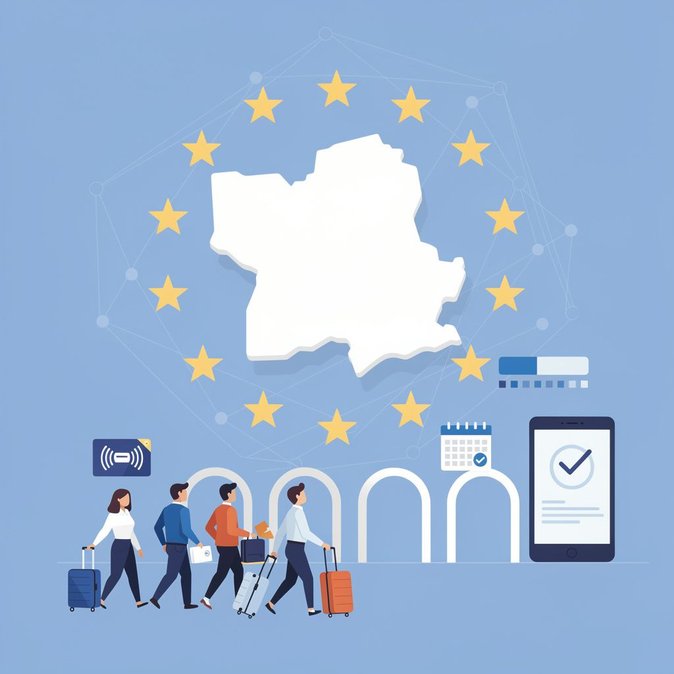
Poland’s Council of Ministers has adopted a draft law that will integrate the country into the European Travel Information and Authorisation System (ETIAS), the EU’s upcoming electronic permit required for visa-exempt visitors. The decision, taken on 10 November and published on 11 November, launches the domestic legislative process needed to connect Polish border-management databases with the EU’s central ETIAS platform. The bill sets out which national bodies—primarily the Border Guard and the Internal Security Agency—may access the new watch-list environment, how they will vet applications and how travellers can appeal a refusal. It also creates a National Register of Foreigners to store the biometric and biographic data generated by ETIAS, with implementation deadlines of 24 months for linking regional voivode offices and consulates. Although ETIAS will not be operational until the second quarter of 2027, the government wants the enabling statute in place well in advance so that IT integration and officer training can begin in 2026. Officials emphasise that ETIAS is “not a visa” but a low-cost (€7) travel authorisation valid for three years; business travellers from countries such as the United States, Canada and the UK will need to obtain it before boarding transport to the Schengen Area. Multinational employers should start mapping affected employee populations and updating mobility policies to include ETIAS compliance steps (application, passport validity, fee reimbursement). Travel-management companies are also advised to build the authorisation check into pre-trip approval workflows to avoid denied boarding once airlines begin enforcing the requirement.
Source: Prasarium