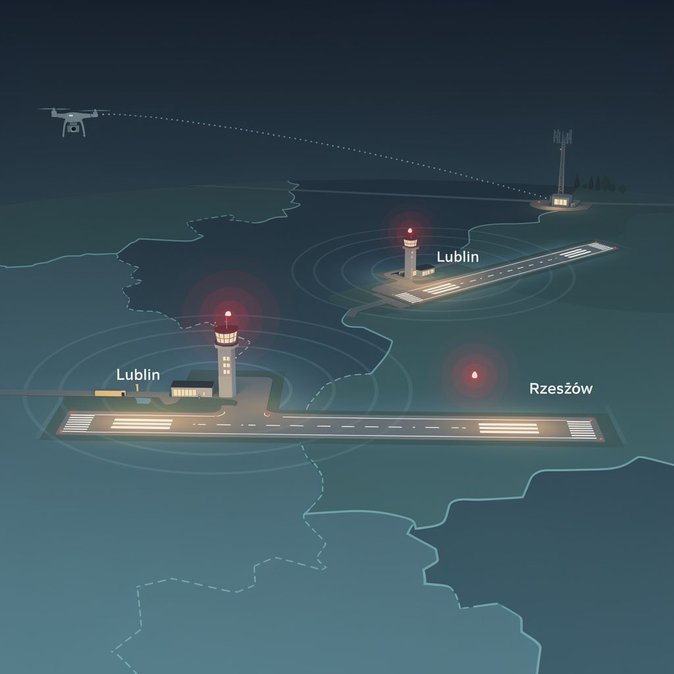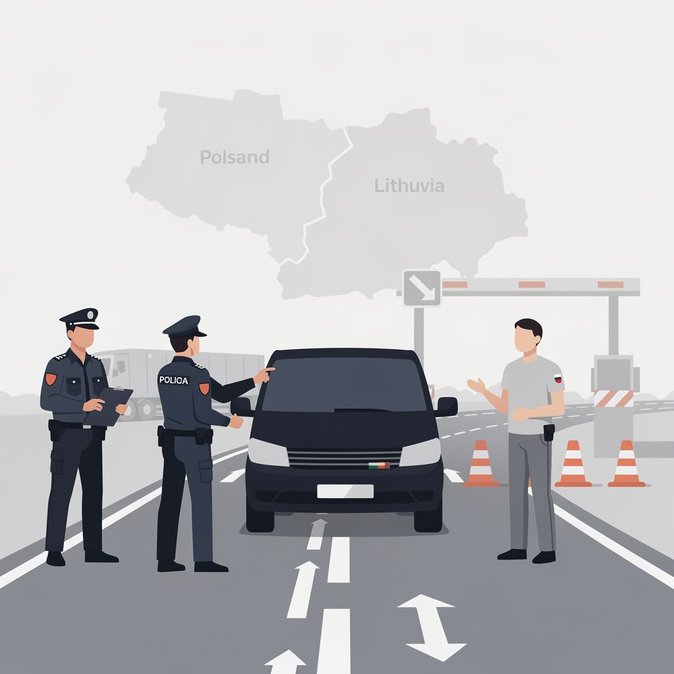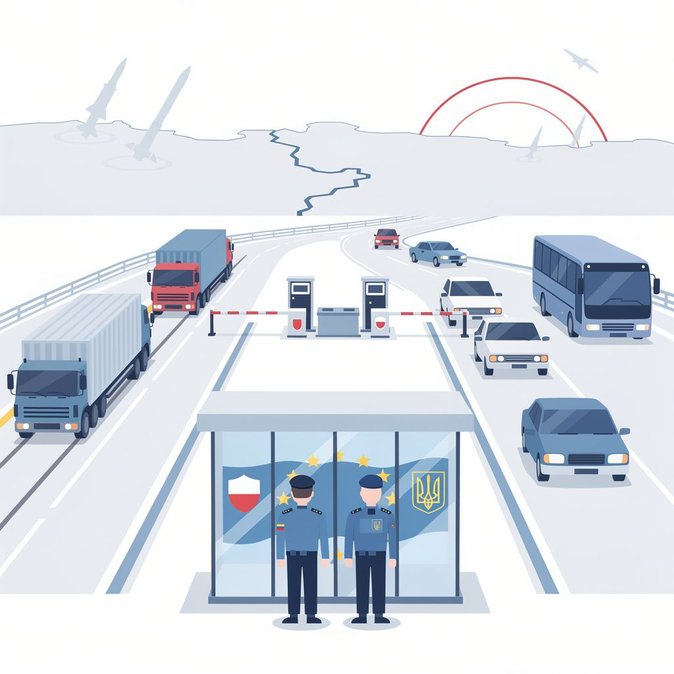
Poland’s Ministry of the Interior and Administration (MSWiA) confirmed on 20 October 2026 that it is prepared to shift passport and customs inspections for the Ukraine-Poland crossing to the Polish side of the frontier should Russian attacks render Ukrainian facilities inoperable. The idea was raised this week during bilateral talks at the Jagodzin-Dorohusk checkpoint after Russian drones struck logistics infrastructure just across the border. Relocating checks would allow traffic to keep flowing even if Ukrainian booths are destroyed and would protect both travellers and officers from indirect fire. Warsaw says any move must be carried out as *joint* controls—Ukrainian officers could work alongside Polish counterparts but would not be permitted to conduct checks independently on Schengen soil, in line with EU law. While no formal decision has been taken, MSWiA told the Polish Press Agency that “if the security situation in Ukraine changes and safety so requires, Poland is ready to agree to such a solution, provided the controls are joint.” Any change would have to be notified to the European Commission under Articles 25-27 of the Schengen Borders Code, and the technical layout of the crossing would need to be redesigned to create a secure, one-stop zone on Polish territory. For exporters and transport companies, joint controls on the Polish side would mean trucks could clear both Ukrainian and EU formalities without crossing the no-man’s-land twice, reducing waiting times that have recently stretched to 24 hours. The move would also safeguard supply chains for Ukrainian grain, steel and humanitarian cargo that currently transit through Dorohusk and Hrebenne. Diplomatically the proposal underscores Warsaw’s balancing act: it wants to keep Ukraine’s economy connected to the EU while respecting Schengen rules and calming domestic critics who fear ceding control over part of the frontier. Businesses with drivers on the route should monitor MSWiA communiqués and budget extra time in case construction work or interim procedures disrupt traffic this winter.
Source: Polskie Radio 24