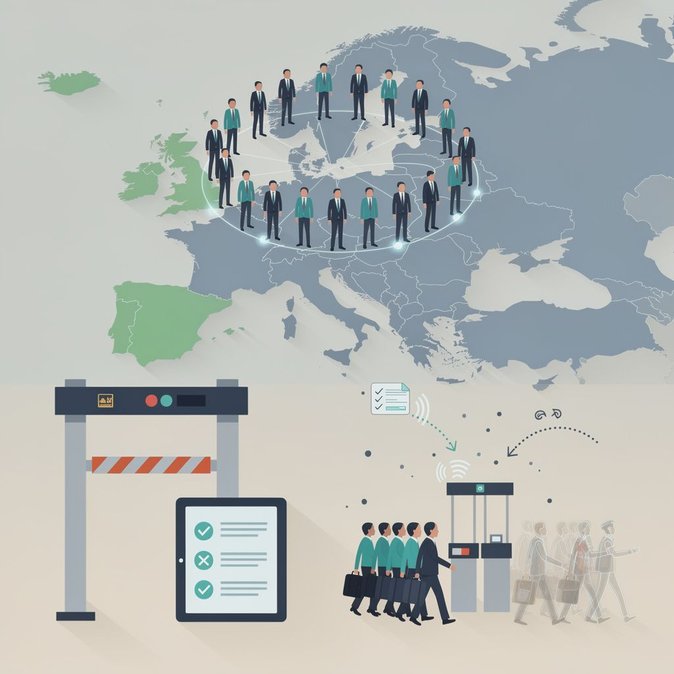
Ireland used its moment in the diplomatic spotlight to steer migration to the top of the European agenda. A joint statement issued at the Convention Centre on 13 November—quickly dubbed the “Dublin Migration Declaration”—was spearheaded by the UK, Denmark and Italy and endorsed by leaders from 41 countries, including Taoiseach Micheál Martin and European Commission President Ursula von der Leyen. The text signals a harder line on irregular migration in the wake of record Mediterranean arrivals earlier this year. Signatories pledged a "whole-of-route" approach that marries early-warning data, upstream development aid and faster returns for people with no right to remain. They also promised closer intelligence-sharing to dismantle smuggling networks and combat disinformation aimed at would-be migrants. For Ireland, which is outside Schengen but part of the Common Travel Area with the UK, the declaration offers political cover for tougher returns while still emphasising humanitarian principles. Officials in Dublin say the document aligns with the Government’s new Immigration and Protection Bill, which aims to cut first-instance asylum decisions to six months and introduce an electronic travel authorisation (ETA) for UK visitors transferring to Ireland. Business groups broadly welcomed the declaration’s focus on predictability at the EU’s external borders, noting that supply-chain disruptions along key Balkan and Central Mediterranean corridors have inflated shipping costs to Ireland by an estimated 8 % this year. Migrant-rights NGOs were more cautious, warning that accelerated returns risk breaching due-process guarantees if capacity at the International Protection Appeals Tribunal is not simultaneously increased. The leaders agreed to review progress at the next EPC summit in Switzerland in mid-2027. Irish officials have already floated hosting a technical workshop in early 2027 to develop common standards for digital travel authorisations and interoperable biometrics.
Source: UK Government press release