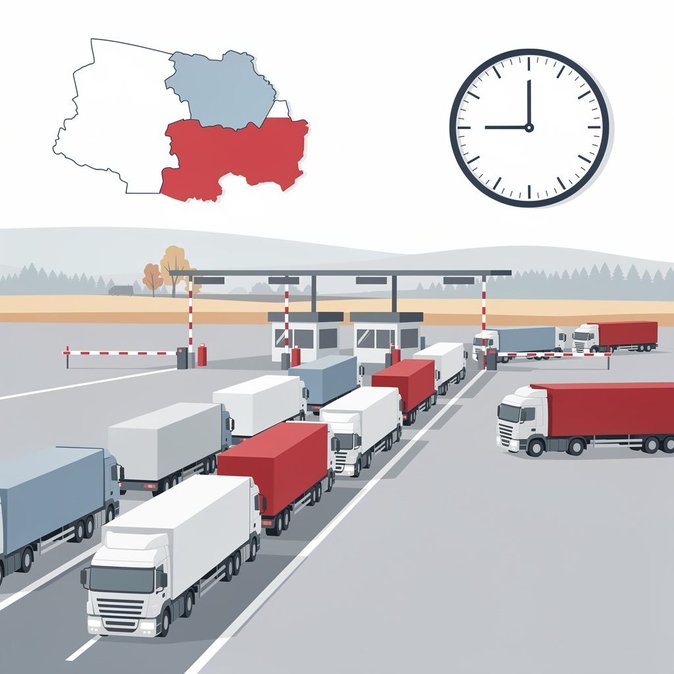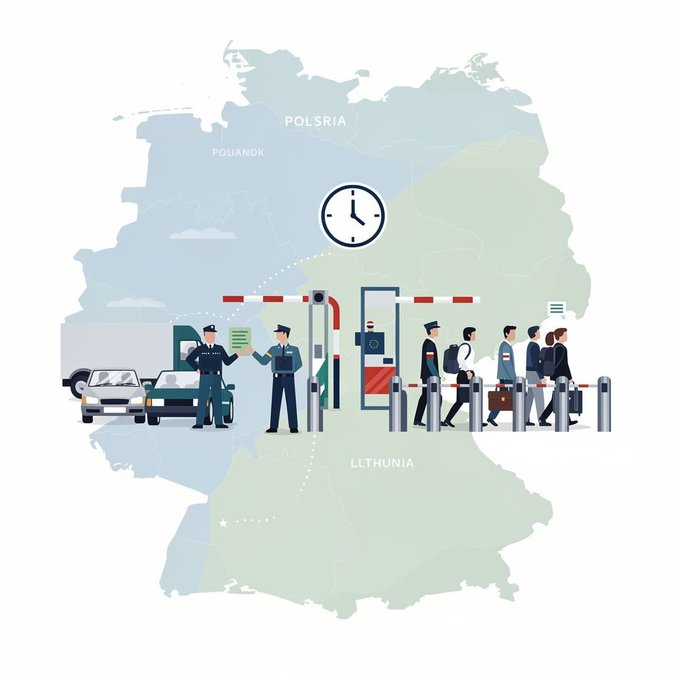
The European Commission’s Schengen monitoring page, updated on 12 November 2026, confirms that Poland has prolonged the temporary re-introduction of border controls on its internal Schengen frontiers with Germany and Lithuania until 30 March 2027. Warsaw first reinstated the checks on 2 October 2026, citing “persistent migratory pressure” and security risks stemming from Russia’s war against Ukraine and the instrumentalisation of migration at the EU’s eastern flank. Under the Schengen Borders Code, internal checks are meant to be a last-resort measure, but Poland, like Germany, Austria and several Nordic states, argues that continued irregular migration, people-smuggling networks and hybrid threats leave no alternative. The controls apply to all road and rail crossings as well as to selected airports where passengers arrive from the two neighbouring member states. Travellers must therefore carry valid travel documents and be prepared for spot checks that can add 15–45 minutes to journey times. Business mobility managers should factor the extended controls into travel times for cross-border commuters, engineers shuttling between Polish and German plants, and logistics drivers using the A2 and S8 corridors. Multinationals headquartered in Warsaw and Poznań report that staff still cross the border daily but recommend keeping buffer time for just-in-time deliveries. EU citizens retain the right to move freely, yet should expect questions about the purpose of travel; third-country nationals must show proof of Schengen-wide stay limits and, if applicable, residence permits. While the measure is legal for up to six months per notification, the extension indicates that internal border controls are becoming semi-permanent across parts of the Schengen Area. Companies relying on seamless intra-EU travel should review contingency plans and communicate the new validity date—30 March 2027—to travelling employees. Should the security situation improve, Poland can lift the controls earlier, but no political signals currently suggest an early end.