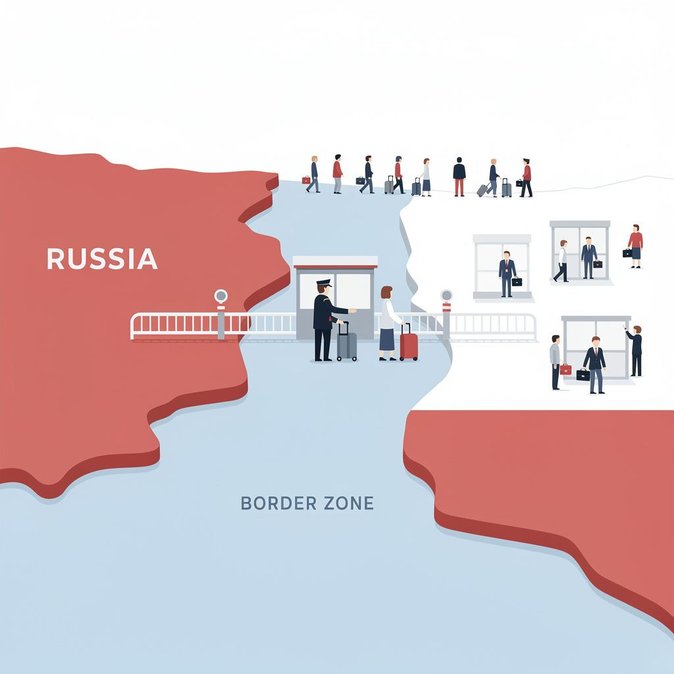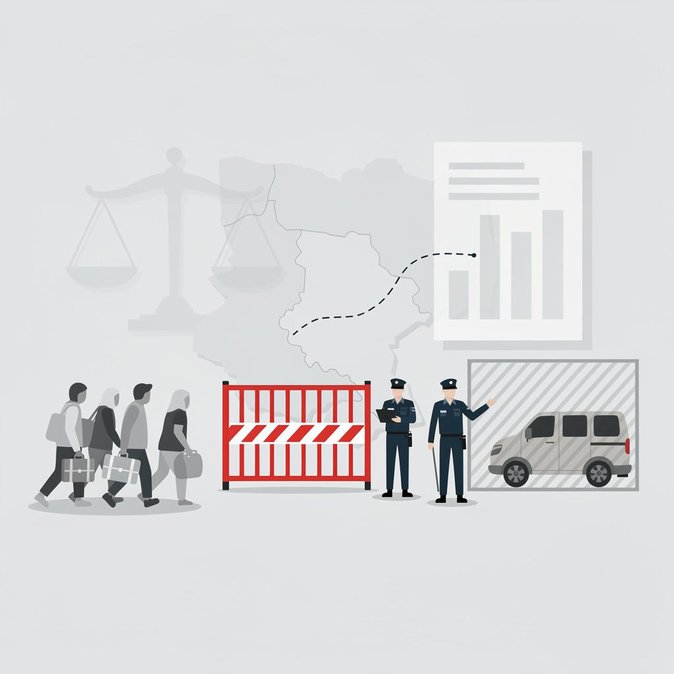
At its 11 November meeting the Polish Council of Ministers approved draft amendments to the Criminal Code that would sharply increase penalties for migrant smuggling and violent attacks on border officials. The bill, which now proceeds to parliament, sets maximum sentences of up to 20 years for organisers of paid crossings that endanger life or health, and up to 12 years for facilitators whose actions do not cause direct harm. Interior ministry officials said the changes respond to three years of persistent pressure on Poland’s eastern frontier with Belarus, where more than 36,000 irregular crossing attempts have been recorded so far in 2026. Warsaw accuses Minsk – and, by extension, Moscow – of conducting “hybrid” operations that funnel migrants toward the EU in order to destabilise member states. Tougher penalties are intended to raise the cost for Polish-based drivers and logistics brokers who have been caught shuttling migrants from the border zone toward Germany. Beyond the criminal provisions, the draft law introduces special investigative powers for the Border Guard, including undercover purchases of smuggling services and authorisation to use GPS beacons on suspect vehicles. Judges will also gain discretion to confiscate vehicles involved in the crime – a measure aimed at deterring commercial transport firms from renting vans to organised groups. For employers, the immediate impact lies in workforce compliance. Companies in construction, agriculture and road transport – sectors that rely heavily on non-EU labour – must ensure recruitment intermediaries are vetted and that all foreign workers hold valid Polish residence permits. Businesses found to have “knowingly benefited” from smuggling networks could face exclusion from public contracts and administrative fines. If the draft clears parliament in its present form, the harsher sanctions will enter into force 14 days after presidential signature, potentially before the Christmas peak in cross-border traffic. Mobility managers should brief staff on the new liability landscape and update supplier-due-diligence checklists, especially for haulage subcontractors operating near the Belarus and Ukrainian borders.
Source: Poland-24