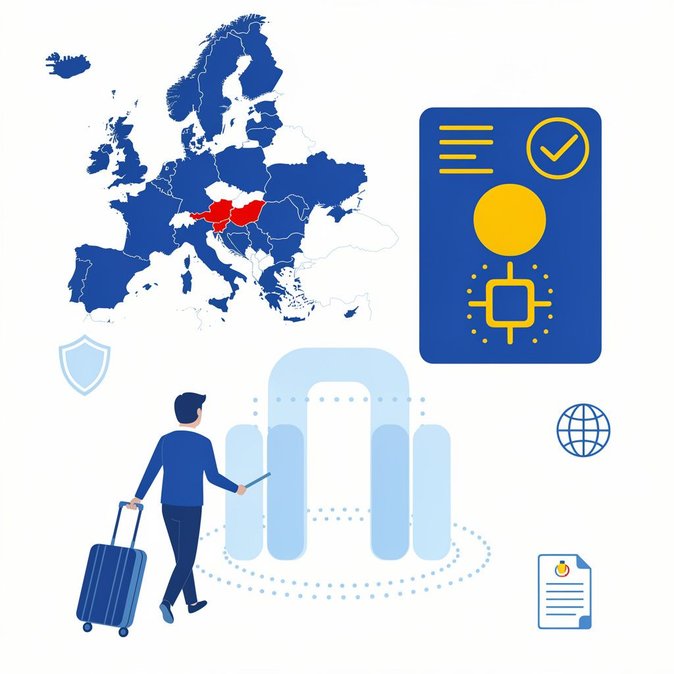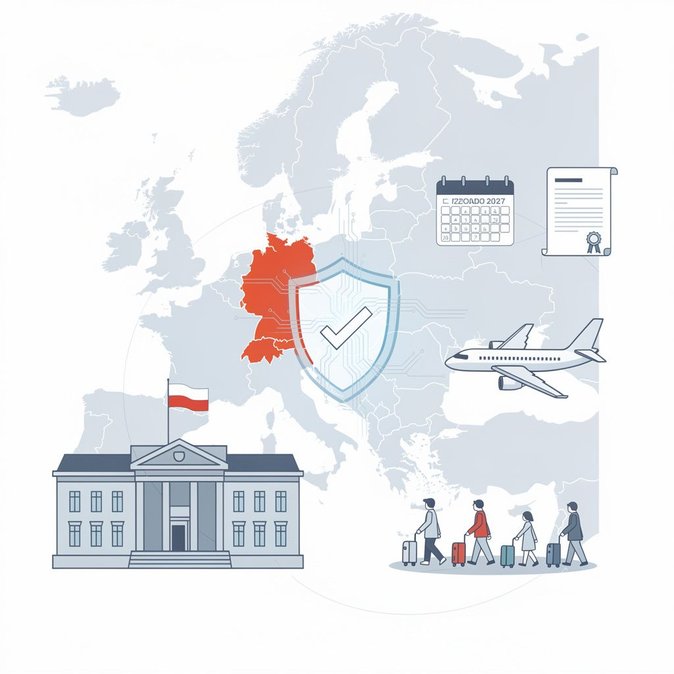
The Polish Council of Ministers has adopted a long-awaited draft law that will allow Poland to operate the European Travel Information and Authorisation System (ETIAS). The bill, announced after Thursday’s cabinet meeting, creates the legal foundation for handling ETIAS travel authorisations for visa-exempt visitors once the EU-wide platform goes live. Under the proposal, Poland’s Border Guard Headquarters will become the national ETIAS unit, responsible for assessing automated ‘hits’, issuing refusals or revocations, and managing appeals. Travellers who do not need a Schengen visa—including citizens of the United States, Canada and the United Kingdom—will be required to submit an online application and pay the €20 EU fee before boarding transport to Poland. Most approvals should be issued within minutes, but applications that generate security or migration alerts could take up to 30 days. The draft law also empowers the interior minister to issue detailed regulations on data protection, fee collection and cooperation with carriers. Its entry into force is tied to the EU start date; most national provisions would begin 14 days after publication, while operational articles would switch on the day ETIAS starts. Brussels currently plans a phased launch in the second quarter of 2027, but Poland’s legislation includes flexibility should the European timeline slip again. For business-travel managers, the move provides long-range visibility. Companies that rotate staff into Poland on short assignments will need to build the ETIAS step—and its 96-hour processing buffer—into travel approval workflows. Carriers and travel-management companies should begin adapting booking tools to capture ETIAS status once testing windows are announced. Employers that rely on short-stay assignees from visa-exempt markets should also review data-privacy obligations, because company travel departments may find themselves storing ETIAS reference numbers alongside passport details. Poland is the 27th EU member state to table national ETIAS legislation, and the bill’s progress will be watched closely across Central Europe. Once implemented, it is expected to streamline low-risk travel while giving border authorities a new layer of intelligence to detect overstays and identity fraud.