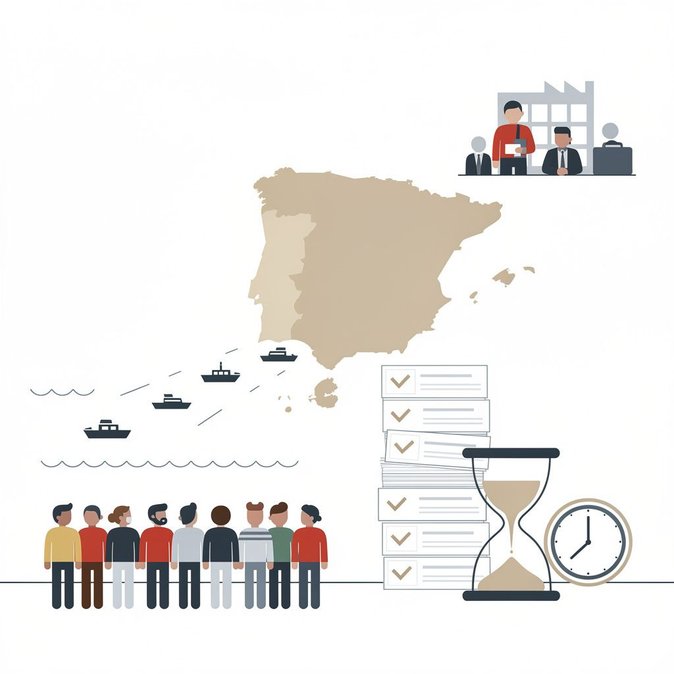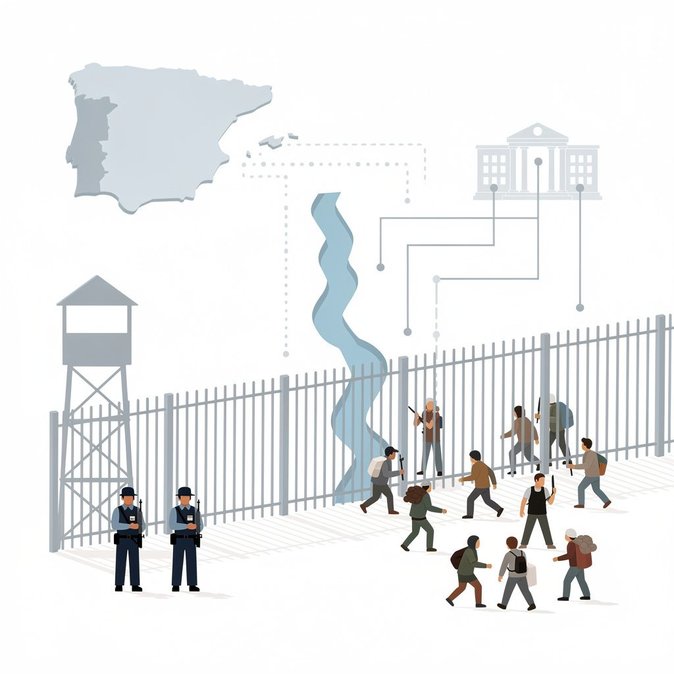
An internal report delivered to the Audiencia Nacional reveals that Spain’s National Intelligence Centre (CNI) “found no evidence” linking the 30–31 July mass crossing at Ceuta—which saw over 1,200 people storm the border fences—to an organised action by the Moroccan government. The classified document, dated 11 November and summarised by El País on Monday, contrasts the 2026 incident with the politically-charged events of May 2021, when Rabat was widely believed to have used migration flows as leverage in a diplomatic dispute. According to the CNI, the July surge was facilitated by social-media rumours about looser Spanish reception rules and by opportunistic smuggling groups, but investigators “detected no directive, financing or logistical support” from Moroccan authorities. The analysis also notes that neither the Guardia Civil nor external EU intelligence warned of a pending breach, pointing to gaps in real-time situational awareness along the land border. Legally, the finding could influence dozens of ongoing court cases in which Spanish officers are accused of excessive force; defence teams argue that they faced an unprecedented, semi-military assault. Politically, it offers Sánchez’s government ammunition against opposition claims that Madrid is “weak” on Moroccan foreign-policy pressure. For businesses moving staff or goods through Ceuta, the conclusion lowers the immediate risk of a repeat, state-backed incident but places new focus on Spain’s internal coordination. The Interior Ministry has already budgeted €7 million for an AI-enabled early-warning camera system to be installed by March 2027. Global mobility advisers should monitor whether the EU Border Assistance Mission recommends changes to commercial-traffic lanes; any upgrades could temporarily slow freight but ultimately streamline identity checks for cross-border workers.
Source: El País