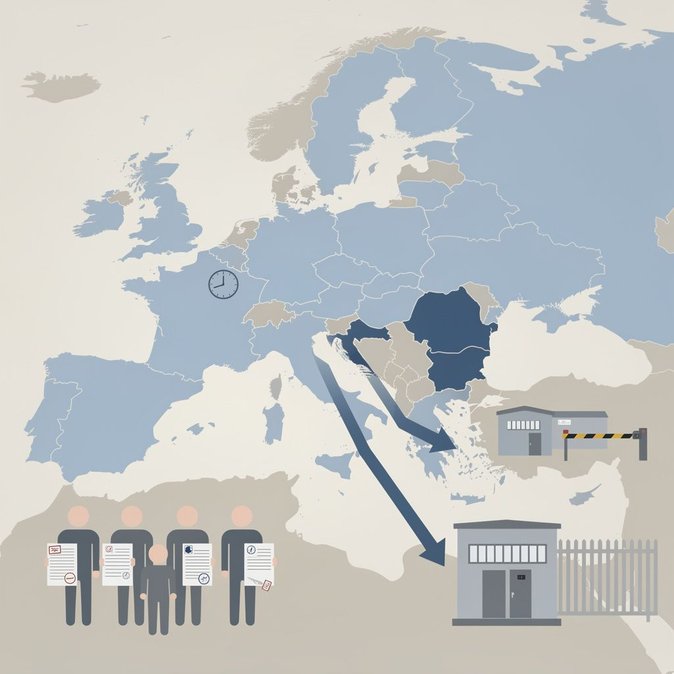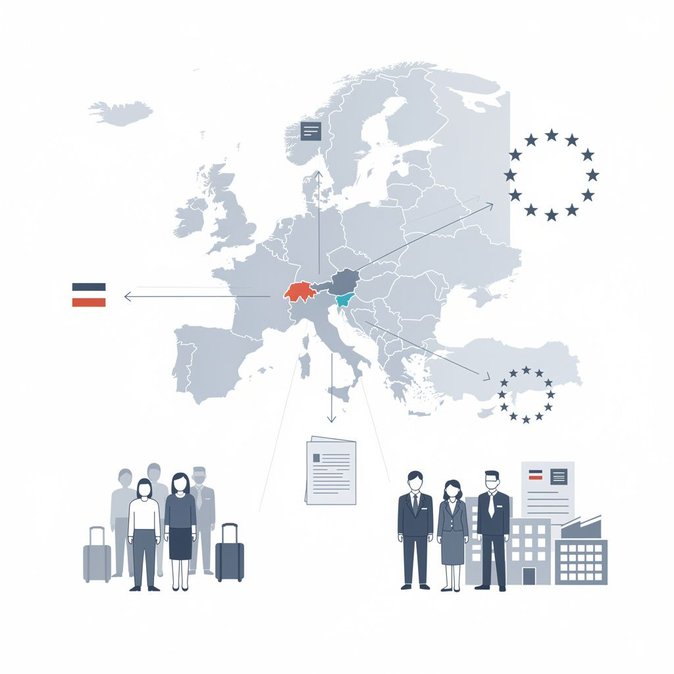
Speaking after a high-level meeting in Vienna on 16 November, Chancellor Christian Stocker said Austria and four like-minded states will form a “Gruppe der Umsetzer” charged with putting the EU’s new return-hub policy into practice. Interior ministers from Germany, Greece, the Netherlands and Denmark attended, signalling a political coalition ready to move faster than the broader 27-nation bloc. The Austrian delegation presented a roadmap that envisages signing host-country agreements by March 2027 and opening the first facility before next summer’s peak migration season. Funding would come from re-programmed EU cohesion funds and member-state contributions; Vienna has earmarked €40 million in its 2027 budget draft. For Austria, leadership could translate into greater influence over common asylum rules, an issue that directly affects the corporate sector: the country hosts more than 380 regional headquarters that rely on predictable visa issuance for third-country specialists. A streamlined returns system is seen by business lobby WKÖ as a prerequisite for expanding the Red-White-Red Card quota in 2027. Analysts caution that legal challenges are inevitable. NGOs are preparing suits before Austria’s Constitutional Court, arguing that any extraterritorial detention would violate Article 4 of the EU Charter. Nevertheless, the government believes momentum is on its side after the EU’s migration-and-asylum reform package cleared the trilogue stage in June.
Source: Bundeskanzleramt Österreich