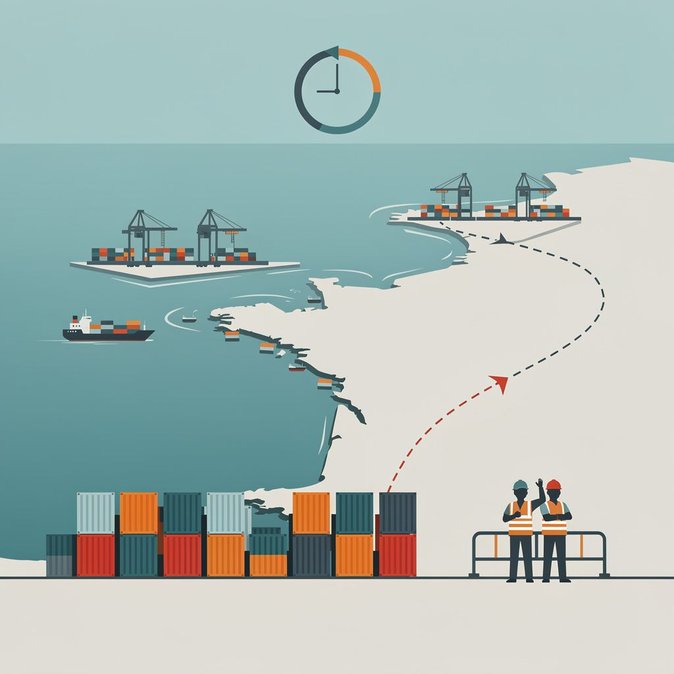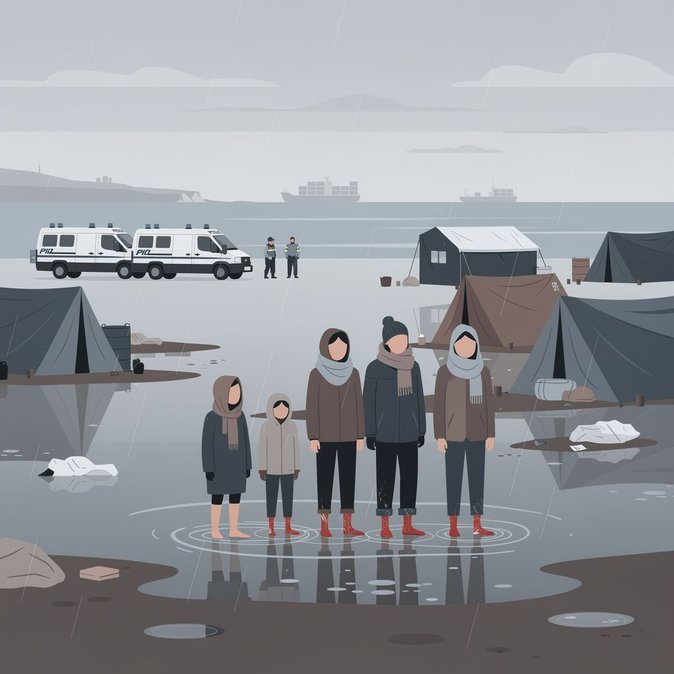
Charity Care4Calais reports a sharp rise in Trench-foot and other cold-weather injuries among migrants sleeping rough near Calais as winter sets in. Speaking to volunteers on 17 November, medical staff from the First Aid Support Team (FAST) said they now treat multiple cases each clinic day, a condition more commonly associated with World War I battlefields than modern Europe. The NGO attributes the spike to a doubling of the population camped in dunes and industrial areas around the port—up to 4,000 people—following tighter UK returns under the one-in-one-out arrangement and stepped-up French police patrols that displace encampments nightly. Extended foot patrols through wet fields in inadequate footwear create perfect conditions for the tissue-damage disease. Local authorities maintain that emergency shelters are available, yet NGOs counter that capacity is insufficient and that many migrants avoid official centres for fear of identity checks that could lead to Dublin transfers. The medical issue adds urgency to the broader humanitarian and security debate just as Channel ferry and Eurotunnel operators brace for peak Christmas freight demand. For global-mobility teams the development matters in two ways: it underscores continued pressure on the Calais crossing—raising the likelihood of ad-hoc police closures of access roads—and it fuels political calls in Paris for tougher controls that could translate into more frequent document checks for legitimate travellers. Logistics managers should monitor the Préfecture du Pas-de-Calais feed for sudden blockades and plan alternative routings via Dunkirk or Zeebrugge.
Source: AOL News