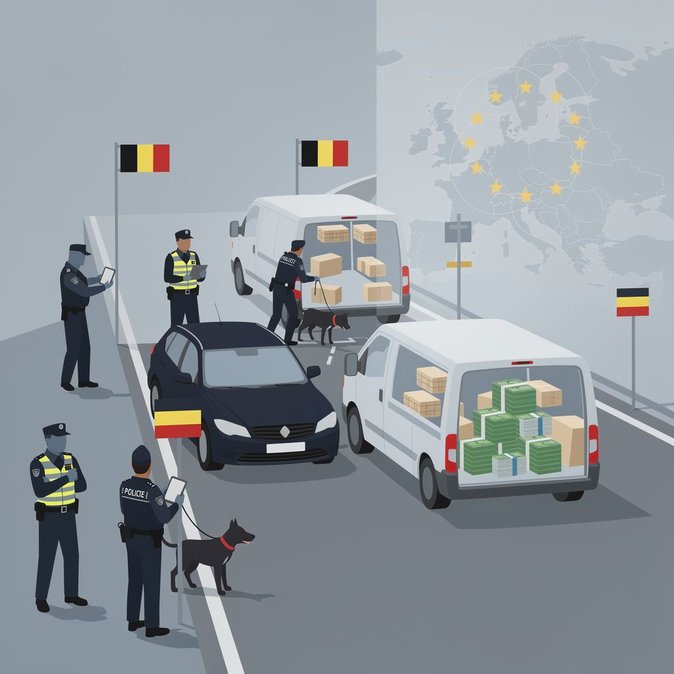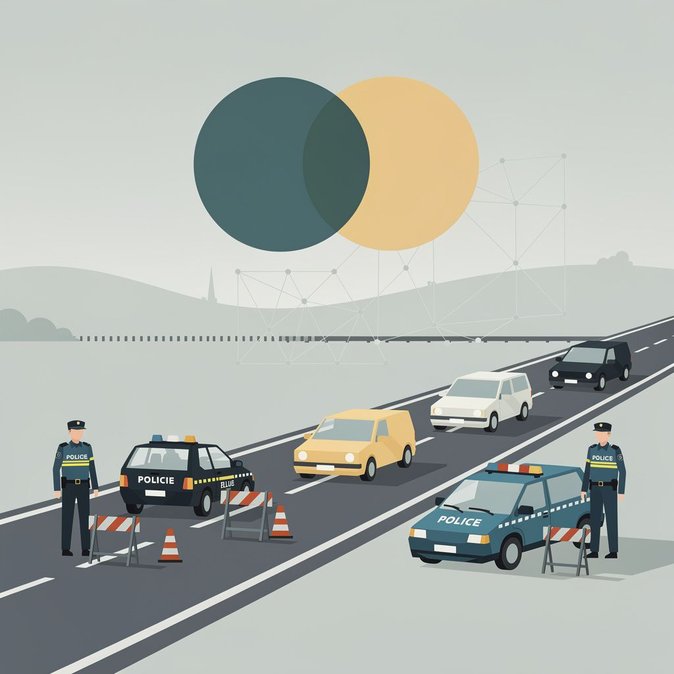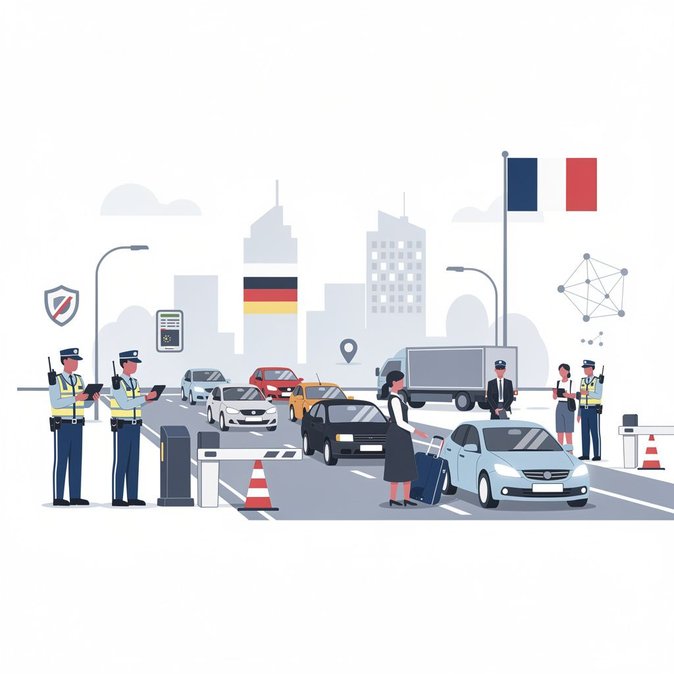
Belgium’s integrated police force carried out one of its largest joint operations of the year along the Franco-Belgian frontier on 17 November, signalling a tougher stance on irregular cross-border movement ahead of the year-end travel peak. Code-named “FUTURE”, the 24-hour action mobilised federal road police, canine and air-support units, judicial investigators and five local police zones from West Flanders and Hainaut. Belgian officers worked side-by-side with French gendarmes out of the Tournai Cross-Border Police & Customs Cooperation Centre, enabling real-time data and intelligence sharing. Their top priority was intercepting small-boat networks that shuttle migrants from inland staging points toward the North Sea coast and ultimately the U.K. According to the Federal Police, 406 vehicles and 279 individuals were screened on the Belgian side. The checks yielded eight criminal case files for drugs and weapons possession, 17 traffic offences (with seven immediate licence withdrawals), the arrest of two wanted persons and the administrative detention of one irregular migrant. Small quantities of cannabis, cocaine and a prohibited taser were confiscated. The operation illustrates a growing regional trend: while France has re-imposed internal Schengen border controls until at least April 2027, Belgium is intensifying targeted, intelligence-led sweeps instead of systematic checks. For corporate mobility managers, that means that cross-border commuting remains largely fluid, but travellers should expect ad-hoc stops—particularly for vans, hire cars and people-carriers that smugglers favour. Companies moving staff or goods between Kortrijk, Lille and the Channel ports are advised to carry full identity, employment and cargo documentation and to schedule extra transit time this winter. Longer term, police officials say they aim to repeat FUTURE-style exercises quarterly and will expand joint patrols to rail hubs such as Mouscron and Tournai. Businesses with frequent Belgium-France travel lanes should review compliance protocols and ensure drivers receive updated guidance on responding to roadside inspections in either language.
Source: Belgian Federal Police