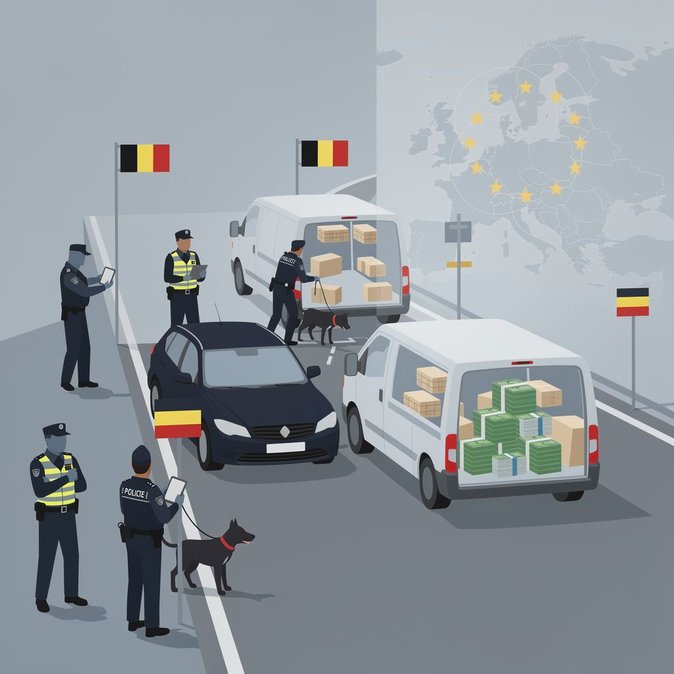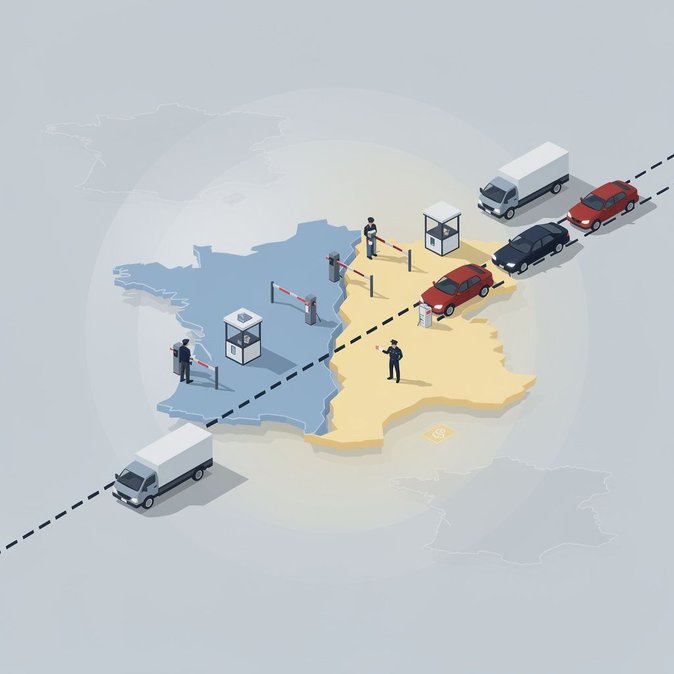
In a move with immediate consequences for cross-border commuters and logistics providers, France has prolonged its temporary internal Schengen controls with six neighbours—including Belgium—until 30 April 2027. The decision, reported on 18 November, cites persisting terrorism threats, organised migrant-smuggling networks and a spike in antisemitic incidents. For Belgian companies running daily shuttle services to Lille, Calais or Luxembourg via French territory, the extension means continued passport checks at key crossings such as Rekkem-Mouscron (E17) and the A16 near Dunkirk. Drivers should expect sporadic queues as the French gendarmerie and customs set up mobile units. Air and sea links are also covered, so Eurostar and Thalys operators will maintain on-board ID inspections. The announcement compounds region-wide uncertainty: Denmark, Germany and Austria also keep internal checks, while the EU’s Entry/Exit System (EES) launch delays limit automated alternatives. Travel-management companies advise budgeting an extra 30–45 minutes for door-to-door journeys involving the French frontier and ensuring passports remain valid for at least three months beyond the trip, even for intra-Schengen hops. Politically, France’s move places pressure on Belgium, which must decide whether to mirror the controls during its 2027 EU presidency or risk becoming a transit corridor for irregular migrants diverted from French roads. Belgian interior-ministry sources told local press that a contingency plan for snap border posts is being drafted and will be shared with employers’ federations before Christmas.