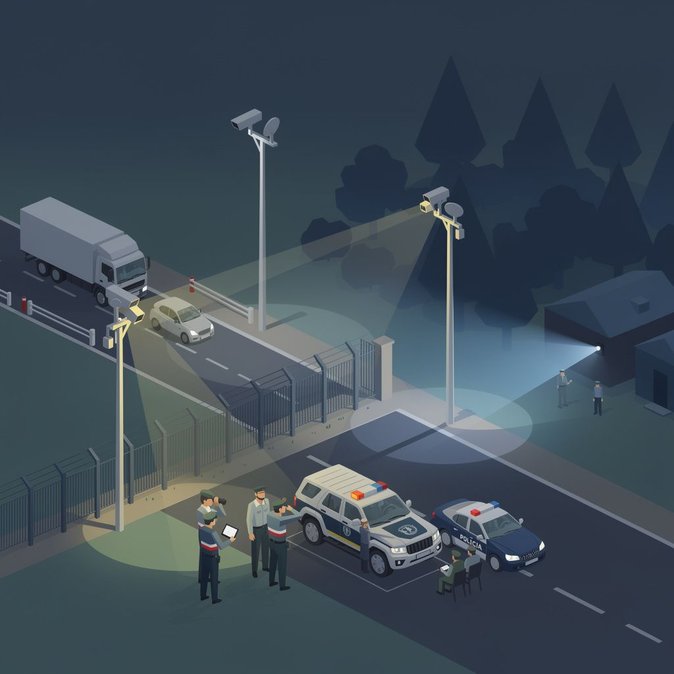
Poland’s head of the Military Counterintelligence Service (SKW), General Jarosław Stróżyk, revealed on 19 November 2026 that Polish and allied agencies had credible intelligence about a Russian plot to stage a sabotage attack inside Poland close to the Kaliningrad frontier in late October or early November. In an interview with Radio ZET, first reported by Rzeczpospolita, Stróżyk said the operation would have been carried out under a false flag and accompanied by a simulated incident on Russian soil to shift blame. According to the general, daily intelligence exchanges with NATO partners corroborated signals that Russian operatives had pre-positioned equipment and scouted targets that could create civilian panic and undermine confidence in Poland’s border security. In response, Polish special-forces unit GROM, police anti-terror squads and SKW officers mounted a covert preventive operation, quietly detaining several individuals and seizing sabotage materials. Stróżyk did not give specifics but noted that comparable threats have been “at least a dozen” this year, part of what he called the most unpredictable security climate in 80 years. For multinational companies with production sites and logistics hubs in northern Poland, the disclosure is a reminder to revisit duty-of-care protocols. Although the thwarted plot targeted symbolic infrastructure rather than foreign personnel, any successful incident could trigger temporary movement restrictions, evacuation orders or cyber-attacks on corporate networks. Mobility teams should ensure that travellers are enrolled in real-time alert systems and that emergency communication trees include Polish fixed-line numbers, as mobile networks can be throttled during security operations. The government has not raised the national terror threat level, but analysts expect Parliament to accelerate work on amendments to the Counter-Terrorism Act that would expand expulsions of foreign nationals deemed security risks and lengthen permissible periods of preventive detention. Employers sponsoring work permits should monitor these changes, as enhanced security vetting could slow processing times for non-EU technicians and managers slated for Polish assignments. From a geopolitical standpoint, the affair bolsters Poland’s push for EU funding of reinforced external borders and closer intelligence sharing within the Schengen area. Brussels has already allocated €200 million for smart-fence technology on Poland’s eastern borders in the 2027–2030 budget draft, a sign that mobility and security policies are becoming increasingly intertwined.
Source: Rzeczpospolita
How VisaHQ can help
VisaHQ simplifies the visa application process for individuals and businesses. Check current travel requirements, prepare the required documents and manage your application online through the VisaHQ Poland portal.More From Poland
View all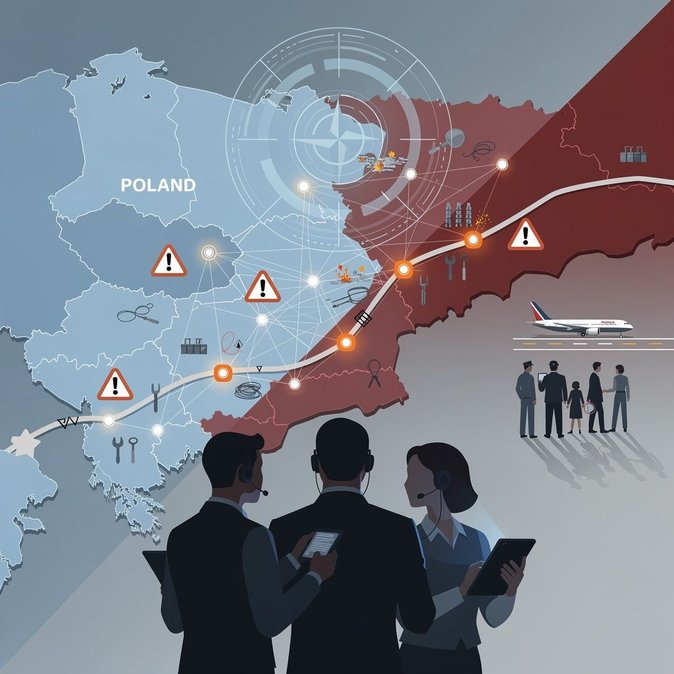
Military Counter-intelligence chief: allied intel confirmed risk of Russian sabotage on Polish border
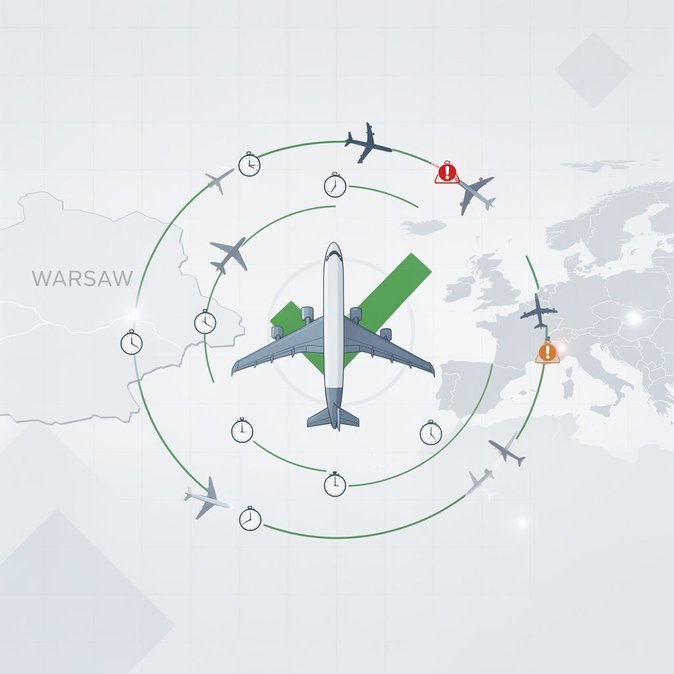
FlightGuard puts Warsaw Chopin Airport disruption risk at just 9⁄100 despite upcoming strikes