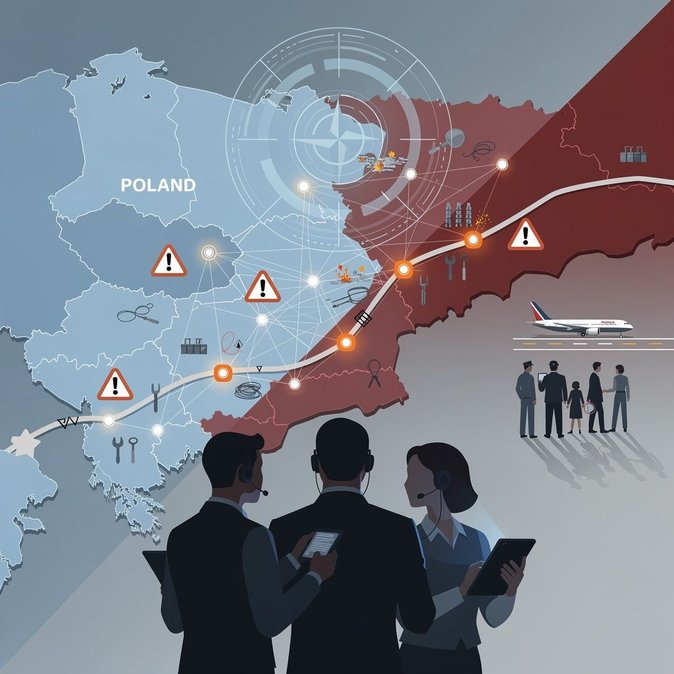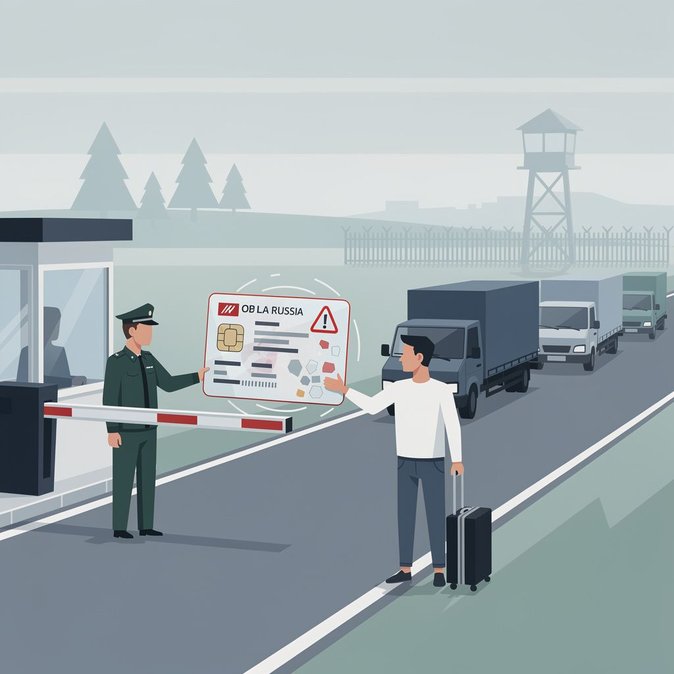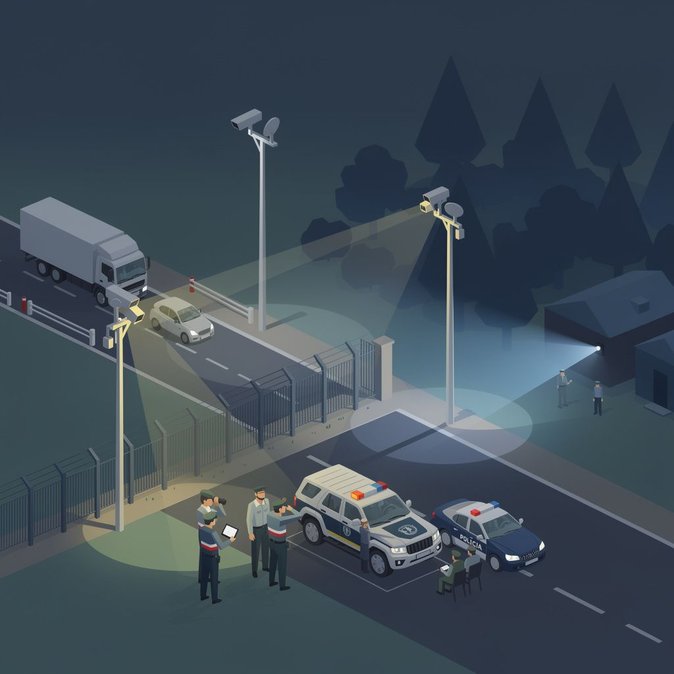
In the early hours of Thursday, 19 November 2026, Polish Prime Minister Donald Tusk confirmed that the government had ordered an immediate reinforcement of the 210-kilometre land border with Russia’s Kaliningrad exclave. Speaking to journalists on his return from Berlin, Tusk said Border Guard thermal cameras had picked up “groups of people moving with flashlights” on the Russian side late on Wednesday. Although no incursion took place, Warsaw treated the sightings as a potential pre-cursor to a hybrid provocation. Within hours, the Ministry of the Interior deployed several hundred additional Border Guard officers, riot-control police and counter-terrorism teams to the Warmia-Masuria section. Mobile checkpoints, night-vision drones and portable flood-lighting have been set up at unpaved crossing points used by local foresters and farmers. The army’s 16th Mechanised Division, headquartered in Olsztyn, placed two battalion task-forces on a three-hour alert but has not been moved forward, avoiding an escalation spiral with Russia’s Baltic Fleet forces stationed across the border. The incident comes at a sensitive moment for business travellers and logistics operators. The Suwałki Corridor, the narrow stretch linking Poland and the Baltic states, is a critical overland route for EU-Asia freight trains and just-in-time deliveries between German suppliers and Lithuanian factories. Forwarders have been advised to build in buffer time and to expect spot vehicle checks as the Border Guard’s mandate allows document control within 15 kilometres of the frontier when a “state of heightened threat” is declared. Corporate mobility managers should alert travellers that the Olsztyn–Kaliningrad local border traffic agreement remains suspended; Schengen C-visas do not currently allow entry from Polish territory into the exclave. While commercial flights to Kaliningrad remain banned under EU aviation sanctions, ferry operators serving Gdańsk–Baltiysk have introduced passenger manifests to Polish police 48 hours in advance. Employers operating in the border region are reviewing contingency plans, including overnight accommodation on the Polish side for Russian technicians servicing legacy industrial equipment. Government sources insist the reinforcement is temporary, but the episode underscores the fluid security landscape on the EU’s eastern flank. Should Russia stage further “grey-zone” moves, Poland could reactivate the internal Schengen checks on the north-east road corridors that were last in force during October’s elections, creating knock-on delays for pan-European road freight.
Source: Wiadomości WP