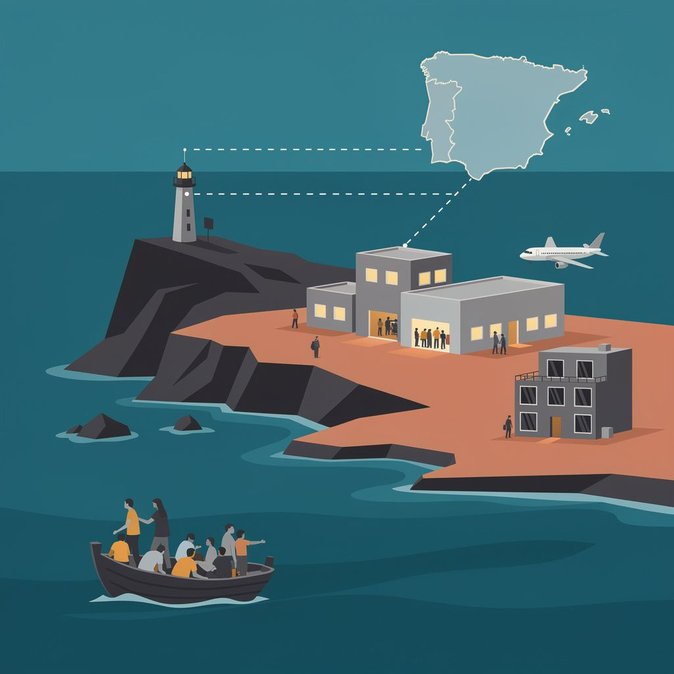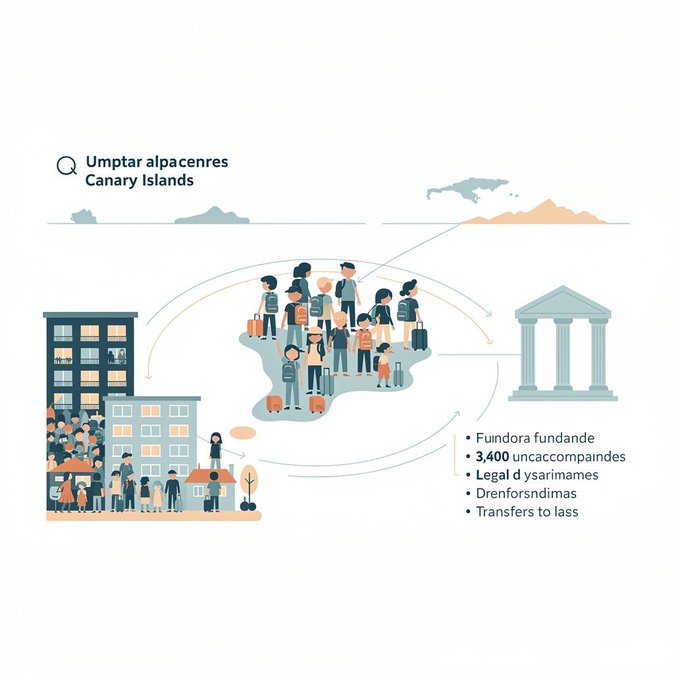
Fresh data released overnight by the Canary Regional Police put the migrant tally for October 1-November 17 at 18,035 people aboard 158 small boats, an unprecedented volume that officials describe as “the largest wave in modern history”. The figure—a 950 % jump on the same period in 2025—includes 12,181 people landed so far this month, underscoring why reception centres across El Hierro, Tenerife and Gran Canaria are at breaking point. The numbers revive political debate less than ten days before Spain’s 29 November general election. Opposition parties argue the Sánchez administration failed to anticipate the upswing despite early intelligence from Senegalese authorities about smuggling networks. The caretaker government counters that it has activated EU Civil Protection Mechanism funds and dispatched 700 extra National Police and Guardia Civil agents. For multinational employers, the statistics translate into tighter identity-screening at Canary airports and ports. Airlines have received circulars reminding them of fines for inadequate document checks, resulting in longer boarding queues. Cargo operators report spot inspections of containers amid concerns traffickers may hide in roll-on/roll-off ferries. Given that 30 % of the workforce in the islands’ tourism and agrifood sectors are foreign nationals, analysts warn that a rapid ‘regularisation’ drive—similar to Spain’s 2020 Covid amnesty—could reshape local labour markets. Companies might gain access to urgently needed seasonal staff, but would also face heightened competition and compliance audits. The policing report is likely to feed into next Tuesday’s Inter-ministerial Commission on Immigration, where Madrid will weigh asking the EU for Frontex maritime assets and proposing a fast-track relocation quota—measures that mobility teams should monitor for their potential to reorder entry procedures across Spain’s external borders.
Source: La Gaceta