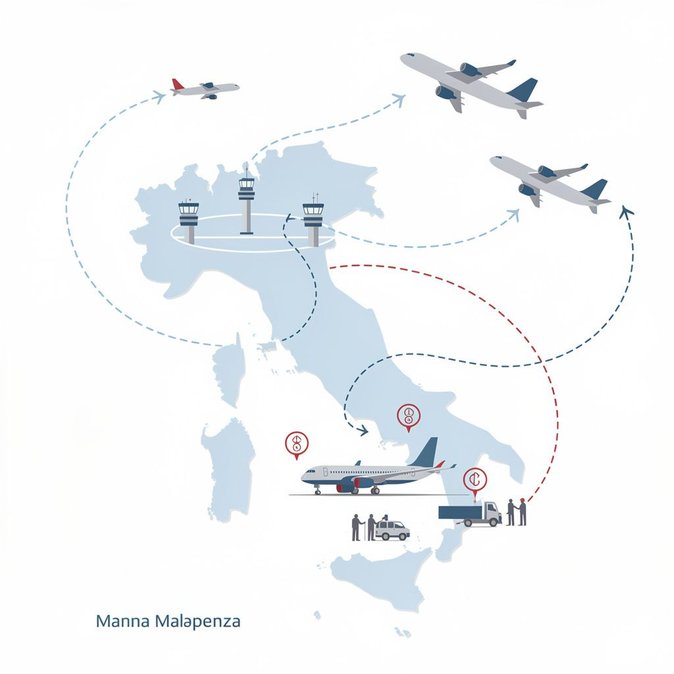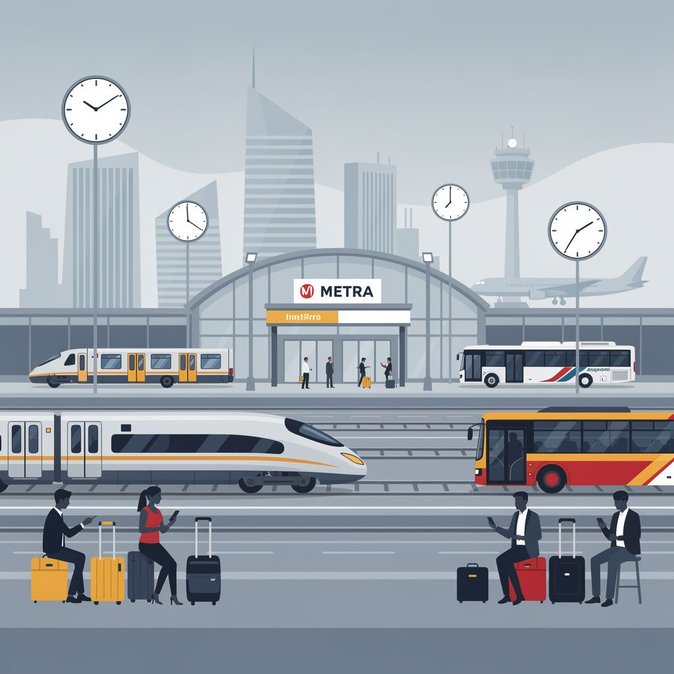
Italy awoke on Saturday 21 November to the knock-on effects of a 24-hour national strike which began at 21:00 on Friday evening. Grass-roots rail unions CUB Trasporti and SGB Ferrovie walked out together with drivers and staff at dozens of local public-transport operators, freezing large parts of the country’s rail, metro, tram and bus services. Trenord warned that Malpensa Express airport trains could not be guaranteed and activated substitute buses from Milan Cadorna, while Italo and Trenitalia published ‘minimum-service’ timetables that covered only the statutory rush-hour windows of 06:00-09:00 and 18:00-21:00. Although the strike coincided with the tail-end of Friday’s separate CGIL general strike, air traffic remained mostly unaffected after the nationwide four-hour ENAV walk-out scheduled for 21 November was formally revoked on Thursday. Nevertheless, travellers reported missed connections as regional buses and metro lines in Rome, Turin, Trento and Bari joined the stoppage, forcing many commuters to rely on taxis or private cars. Port authorities in Genoa and Naples said cargo handling was delayed by up to eight hours as shuttle buses for dockworkers failed to run. For corporate mobility managers the timing is awkward: 21 November marks the last full weekend before the peak Christmas assignment season, when many expatriates fly relatives in or relocate ahead of the new tax year. Multinationals with operations spread across Italy had to arrange emergency ground transport and authorise hotel overnights to ensure critical staff reached factories on Monday morning. Several companies activated remote-working protocols that were put in place during the pandemic but had seldom been deployed since. Legally, the strike complied with Italy’s 1990 “Law 146” which requires 24-hour notice and the guarantee of essential services during commuter peaks. Unions say inflation-linked wage rises have not kept pace with an 18 % jump in living costs since 2021; employers counter that rail productivity has fallen 7 % over the same period. The Ministry of Transport has not ruled out compulsory arbitration if further strikes threaten the year-end holiday period. Practical advice: business travellers still in Italy today should consult airline, Trenitalia, Italo and local operator apps before heading to stations; where trains are cancelled, tickets are valid on the first available service or may be refunded within 30 days. Travellers flying out of Milan Malpensa should add at least 90 minutes to their journey to allow for the bus shuttle from Cadorna.