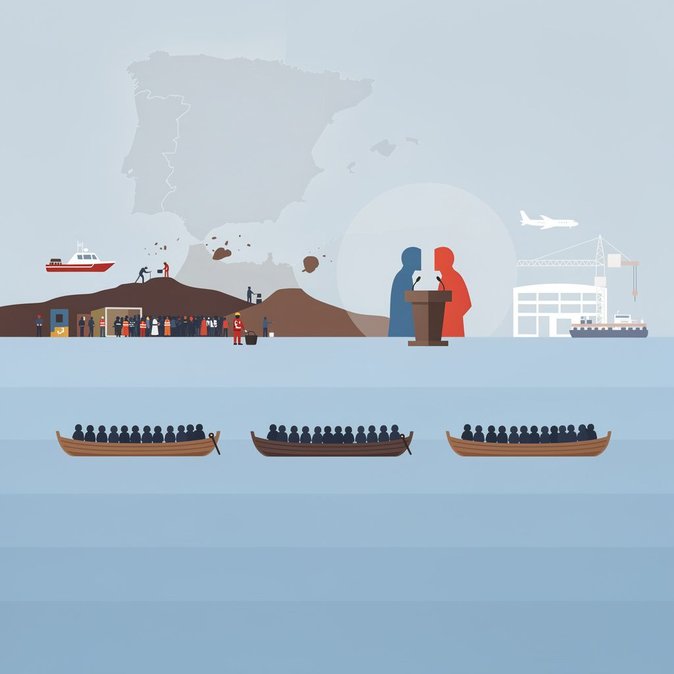
Gulf Insider on 22 November cites city-government data indicating that emergency services in the Spanish enclave of Ceuta recorded 30 sexual-assault incidents between 30 July and 29 October—up from four in the same period of 2025. Sixteen of the 2026 cases involved minors. The spike follows an extraordinary episode on 30 July when tens of thousands of people crossed from Morocco into Ceuta, overwhelming security forces and resulting in about 10,000 migrants remaining for months. Local authorities link the rise in assaults, firearm incidents and knife crimes to the sudden population pressure and to gaps in accommodation capacity that have left many migrants sleeping rough. The right-wing Vox party has called for collective expulsions and for the European Parliament to launch an on-site investigation, while the PSOE-led central government argues that the situation requires EU burden-sharing rather than mass deportations. For global-mobility and duty-of-care managers, the events underscore the security variability within Spain’s territories. Ceuta hosts several call-centre and logistics operations serving North Africa, and some firms had begun short-term assignments in the enclave thanks to its tax incentives. Companies with female assignees or family dependants in Ceuta are advised to review accommodation locations, reinforce personal-security briefings and ensure access to private medical providers, as public services are stretched. The city has announced extra funding for women’s support points and a 24-hour hotline, but staffing remains thin. While the data are preliminary and not all emergency calls translate into prosecutions, they will feed into the broader Schengen discussion on how to balance humanitarian reception with local-community safety.
Source: Gulf Insider