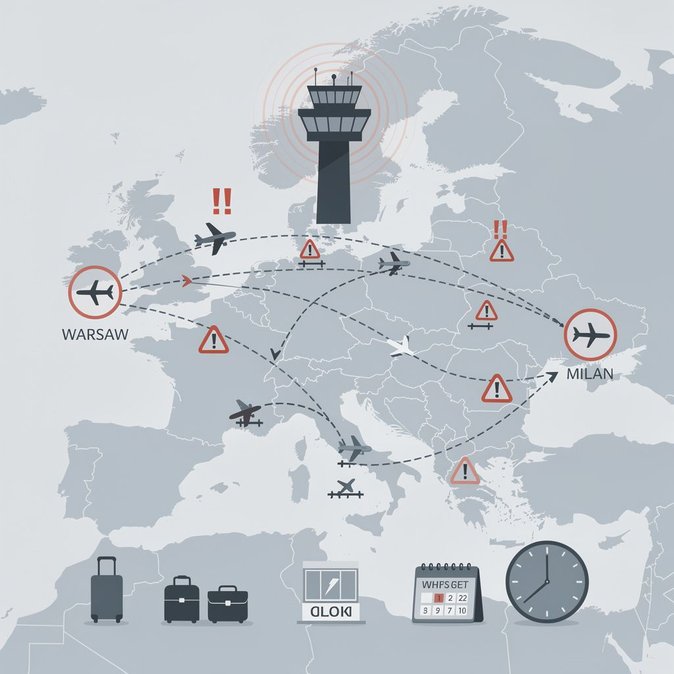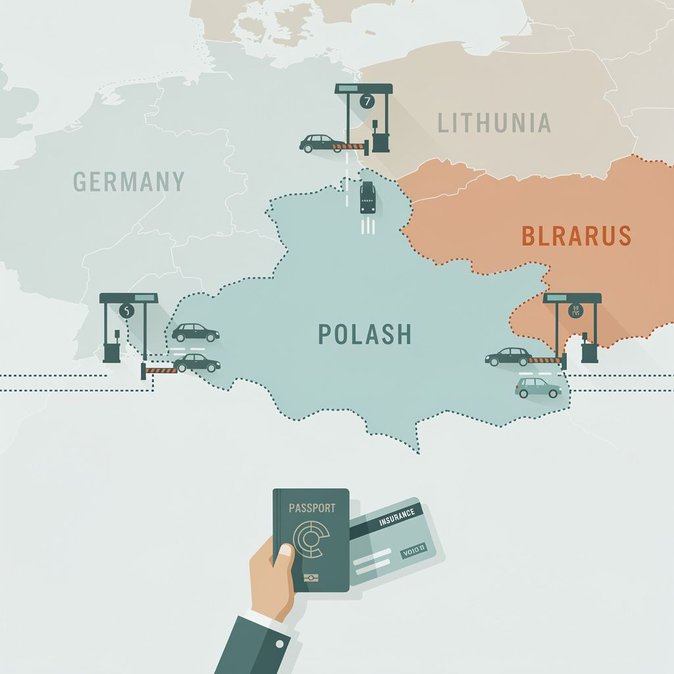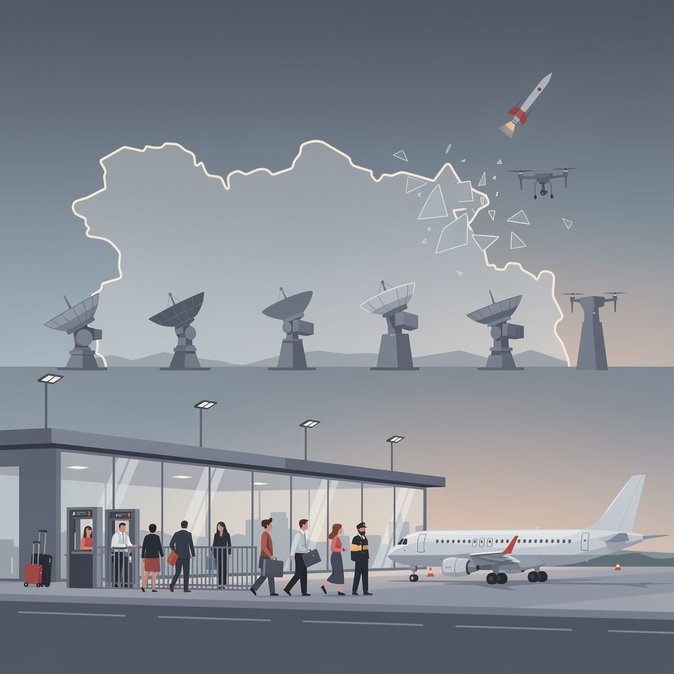
The North Atlantic Council will hold an extraordinary session in Brussels on Monday following three unauthorised aerial incursions into Polish territory during Russia’s latest missile barrage against Ukraine. Polish prime minister Maria Jankowska requested the meeting late on 21 November, arguing that the 20 November incidents—when fragments of two suspected Kh-101 cruise missiles and an unidentified drone landed up to 60 km inside Poland—constituted a direct threat to public safety and the integrity of EU borders. While the objects caused no casualties, they reignited memories of the November 2022 Przewodów blast that killed two farm workers and briefly raised fears of war spilling into NATO territory. This time, Warsaw is asking allies to reinforce existing air-defence cover and to deploy additional AWACS surveillance flights along the eastern frontier. From a global-mobility perspective, heightened alert status could translate into tighter security screenings at airports near the Ukrainian border, including Rzeszów-Jasionka, the main hub for humanitarian flights. Freight forwarders shipping defence or dual-use goods should anticipate lengthier customs inspections as authorities implement new risk-assessment protocols. Tour operators have already reported a spike in cancellation queries for December city-break packages to Kraków and Lublin. Foreign chambers of commerce are advising member companies to keep staff profiles in Poland’s consular-registration systems up to date and to review shelter-in-place procedures. At present, no allied government has issued an official travel restriction for Poland, but businesses should monitor advisories in case the security posture shifts after Monday’s talks.
Source: Ukrainian National News (UNN)