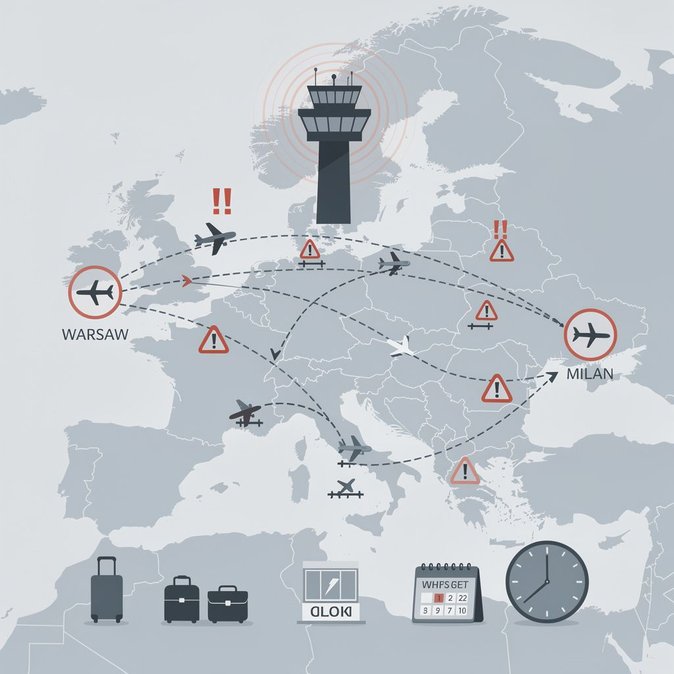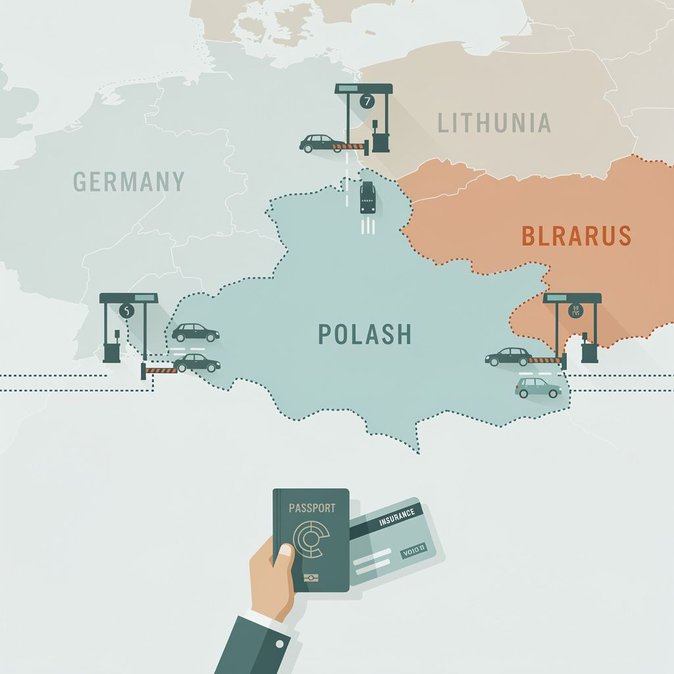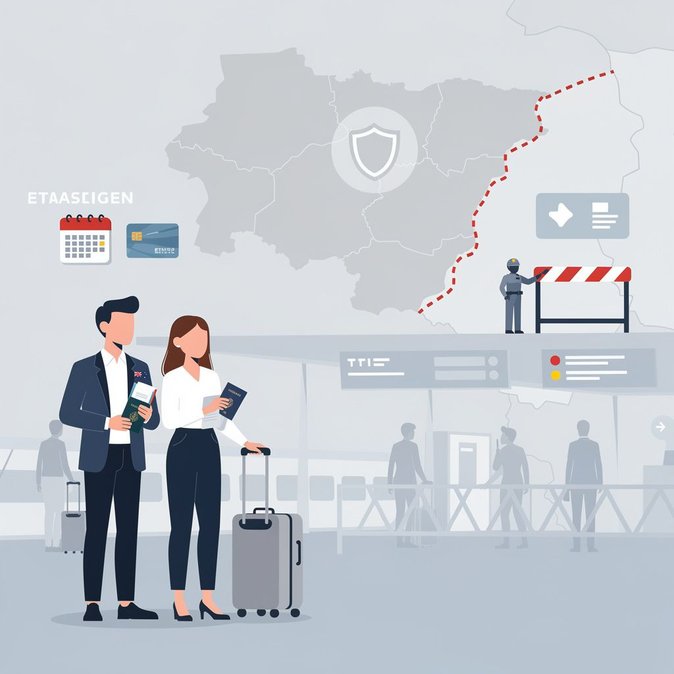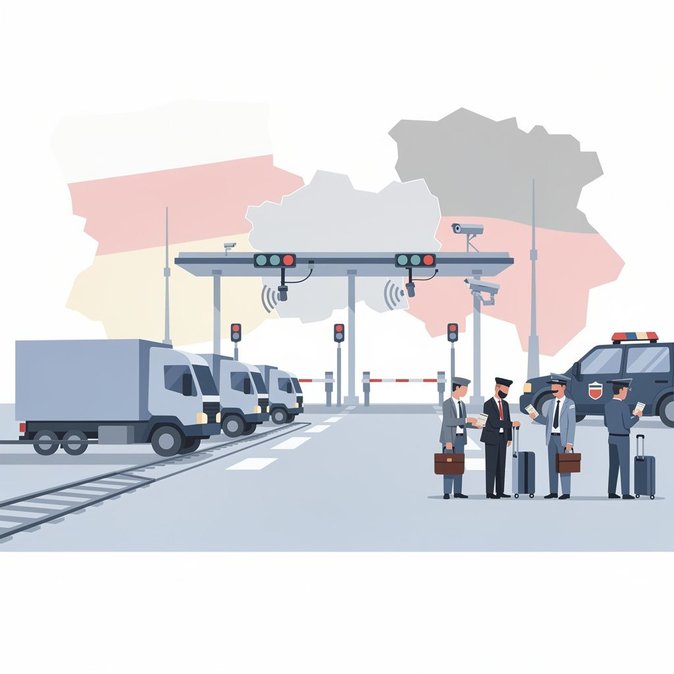
Business travellers heading to Poland will continue to encounter spot checks on the ordinarily-open Schengen frontiers with Germany and Lithuania after Warsaw confirmed a fresh five-month extension of its internal border controls. In an update published on 22 November, Poland’s Ministry of the Interior formally notified the European Commission that the controls—first reinstated in October 2026—will now run at least until 30 March 2027. Officers may request passports or national ID cards, ask basic questions about travel plans and, in some cases, inspect luggage or vehicles. The immediate trigger for the measures remains irregular migration flows funnelled by organised smuggling networks operating out of Belarus and, increasingly, Russia’s Kaliningrad exclave. Polish officials say secondary movements through Germany have eased since checks began in July 2025, but they argue “continued migratory pressure” and the security fallout from Russia’s war in Ukraine justify a further extension. From an operational standpoint, travellers should budget extra time on the A2 motorway between Frankfurt-Oder and Poznań, as well as on rail services linking Berlin, Szczecin and Gdańsk. The bulk of inspections are still intelligence-led and therefore unpredictable, but anecdotal reports suggest freight traffic experiences the longest delays. For companies relocating staff, the key compliance point is that time spent queueing at an internal Schengen border now counts as working time under Poland’s road-transport rules. Employers should also make sure posted-worker notifications reflect the possibility of frontier checks to avoid fines for incomplete documentation. Travel advisers do not expect the controls to be lifted before Poland completes a new automated passenger-screening system tied to the EU’s Entry/Exit System (EES) in mid-2027. Multinationals should monitor the official Schengen notifications page and schedule border-sensitive shipments accordingly.
Source: TheTraveler.org