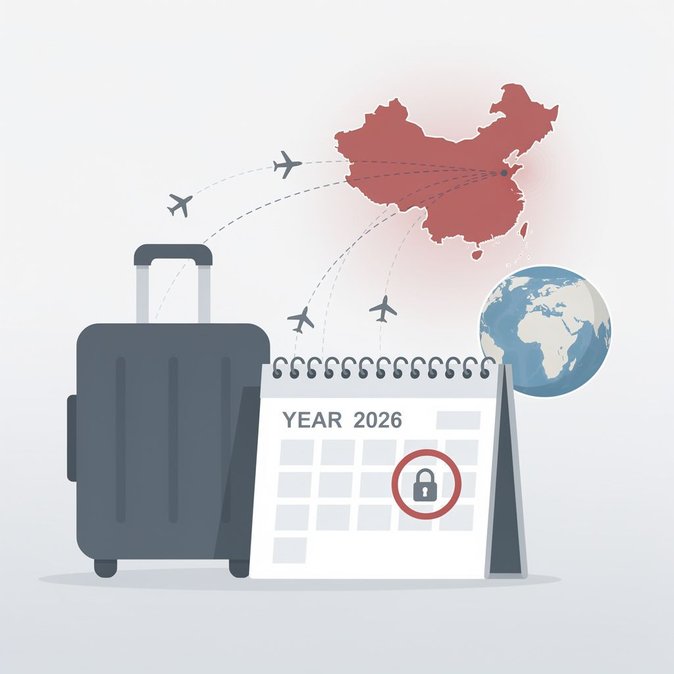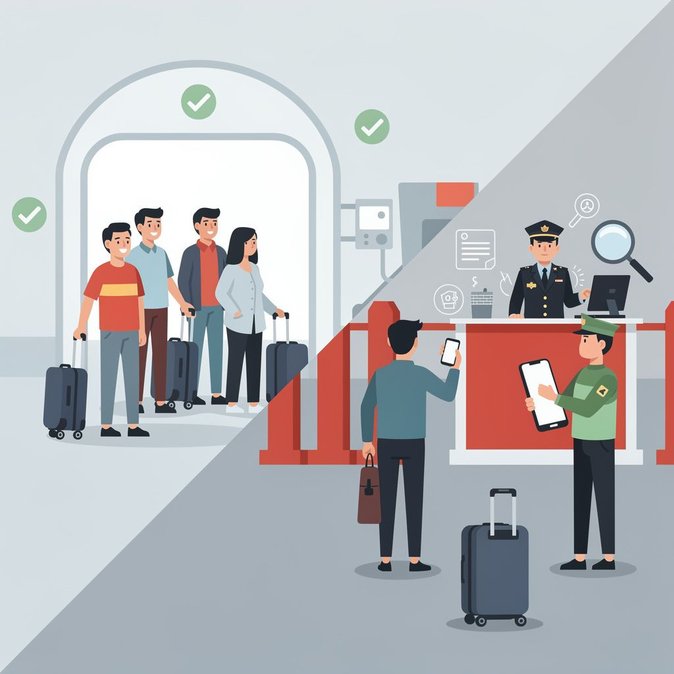
The Washington Post this weekend (22 November 2026) examined how China’s updated Exit-Entry Administration Regulation, in force since 15 September, is reshaping cross-border movement. The regulation keeps visa-on-arrival and unilateral visa-free initiatives in place for many foreign nationals, but it grants border officers expanded discretion to inspect electronic devices and to deny exit to Chinese citizens whose overseas travel may, in the authorities’ view, jeopardise national security or involve sensitive data transfers. In practice, foreign executives report faster arrivals thanks to e-gates and streamlined customs lanes, yet Chinese technology professionals and entrepreneurs are encountering more intense questioning on departure. The article cites multiple incidents in Nanjing and Shanghai where officers inspected smartphones and laptops for export-controlled files before allowing travellers to board international flights. Although the government insists the measures target only a narrow set of “risk scenarios”, the ambiguity is creating real compliance burdens. For mobility managers, the asymmetry means inbound assignments are easier to arrange, but outbound business trips by Chinese staff may require advance exit-permit checks, clean-device policies, and contingency schedules. Technology firms should revisit internal data-export guidelines and provide travellers with loaner devices stripped of proprietary code to avoid accidental violations. Human-resources teams should also communicate that exit screening can add 30–60 minutes to airport procedures—critical when booking stacked connections through Hong Kong, Seoul or Tokyo. Policy analysts describe the new balance as a deliberate attempt to boost tourism and foreign investment while retaining tighter control over strategic IP leakage and capital outflow. Whether the strategy succeeds will depend on how predictably border officers apply the exit criteria. Frequent-traveller feedback over the coming months will be essential; if arbitrary phone searches become routine, senior Chinese talent may hesitate to accept overseas assignments, complicating global project staffing for multinationals. In the meantime, companies are advised to update travel policies, adopt “clean laptop” rules for outbound Chinese staff, and document any exit delays to build an evidence base for future government dialogue through chambers of commerce.
Source: The Washington Post