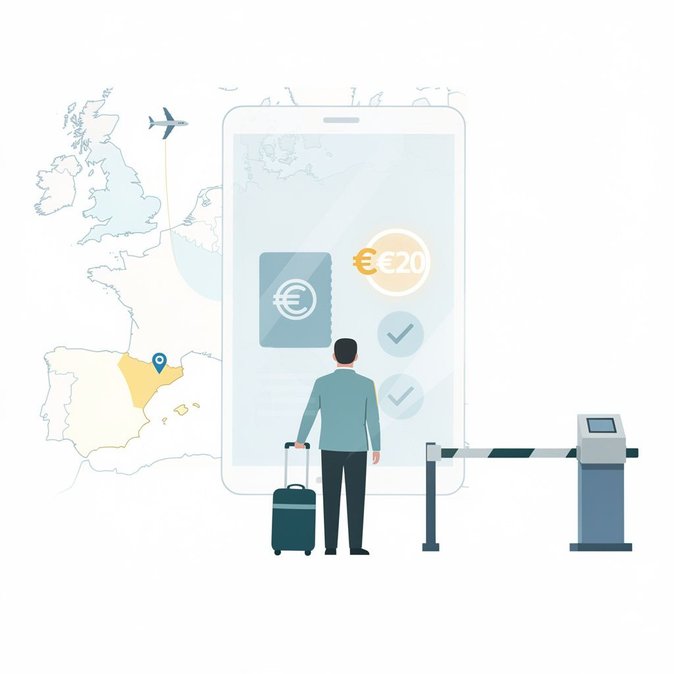
Spain-edition newspaper El Cronista devoted a detailed explainer on 23 November to the European Travel Information and Authorisation System (ETIAS), noting that the EU quietly removed its ‘Q4 2026’ launch window from official channels. The electronic permit will eventually apply to citizens of 59 non-EU countries who currently enter Spain and the Schengen Area without a visa, including the US, UK, Canada and most of Latin America. Although the Entry/Exit System (EES) has been live at Spanish air and sea borders since April, Brussels has yet to announce a firm ETIAS start date. Officials say travellers will get “several months’ notice”, followed by a six-month transition and a further six-month grace period. Applicants will pay €20 online and receive approval linked to their passport for up to three years. For global mobility managers the message is twofold: (1) continue to send staff and assignees under the current 90-day visa-free regime, but (2) budget now for the new fee, data-collection requirements and carrier pre-boarding checks once ETIAS goes live. Airlines serving Spain could refuse boarding to passengers whose authorisation is missing or invalid, mirroring pre-departure ESTA checks for the United States. Companies with high-volume Latin-American traffic should consider bulk-notification campaigns so that travellers apply well before trips. HR departments may also need to capture ETIAS expiry dates in travel-approval systems to avoid last-minute snags. While the delay offers breathing space, EU officials stress that the system is ‘functionally complete’ and awaiting political clearance after data-protection compliance tests. Failure to plan ahead could translate into denied boarding, additional accommodation costs and reputational damage as soon as the new regime finally takes effect – now likely some time in 2027.
Source: El Cronista España