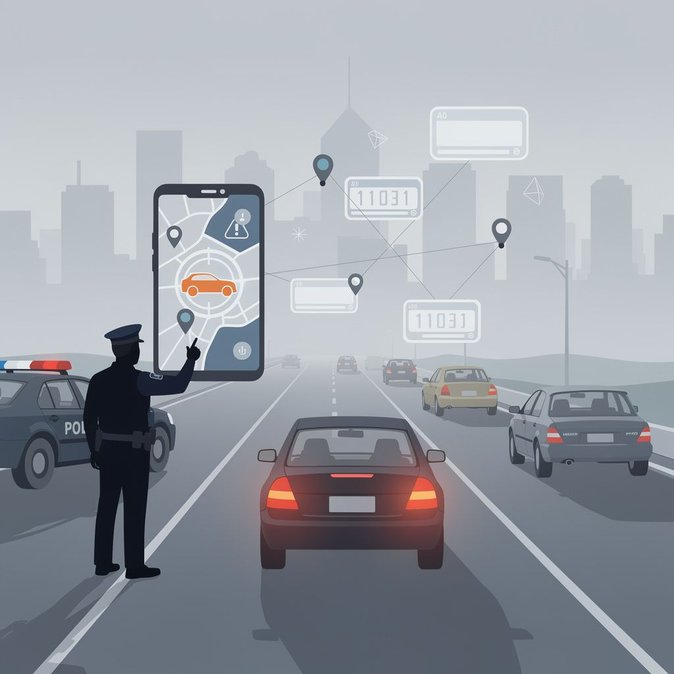
A new investigation by The Atlantic reveals that U.S. Immigration and Customs Enforcement has quietly expanded access to a national network of automated license-plate readers (ALPRs), including databases maintained by tech firm Flock Safety. The change allows field agents to scan plates with a mobile app that feeds directly into ELITE, ICE’s AI-driven targeting platform built by Palantir, enabling officers to retrieve a subject’s immigration file, criminal history and biometric data within seconds. Civil-rights experts say the expansion blurs the constitutional line between criminal searches and civil immigration enforcement. Internal documents obtained by reporters show that ICE deportations hit a record 483,000 in fiscal 2026, with roughly one-third of arrests initiated through traffic stops informed by ALPR hits. Former ICE attorney Peter Mina warns that the agency’s internal oversight unit has been weakened, increasing the risk of unchecked surveillance and excessive use of force—a concern amplified by three officer-involved shootings linked to plate-reader stops since July. For employers that move foreign personnel between U.S. sites, the surveillance push could expose assignees to roadside checks far from the border. Mobility teams should advise foreign nationals to carry proof of lawful status when driving and to avoid transporting expired passports or old I-94s that could trigger confusion during field interrogations. Companies with delivery fleets may also face more requests from state or local police—acting on ICE detainers—for driver rosters and GPS logs. Lawmakers have demanded that ICE report by 20 November how frequently it accesses commercial ALPR data and whether it complies with a 2022 DHS Privacy Impact Assessment limiting “fishing expeditions.” Proposed House legislation would bar DHS from using ALPR data for civil immigration purposes without a judicial warrant, but passage is uncertain in the current Congress. Until clearer rules emerge, global-mobility stakeholders should track whether their corporate campuses fall within so-called “heat-map” zones—areas ICE algorithms flag as high-value arrest territory—and include safe-driving briefings in onboarding packets for visa holders.
Source: The Atlantic
How VisaHQ can help
VisaHQ simplifies the visa application process for individuals and businesses. Check current travel requirements, prepare the required documents and manage your application online through the VisaHQ United States of America portal.More From United States of America
View all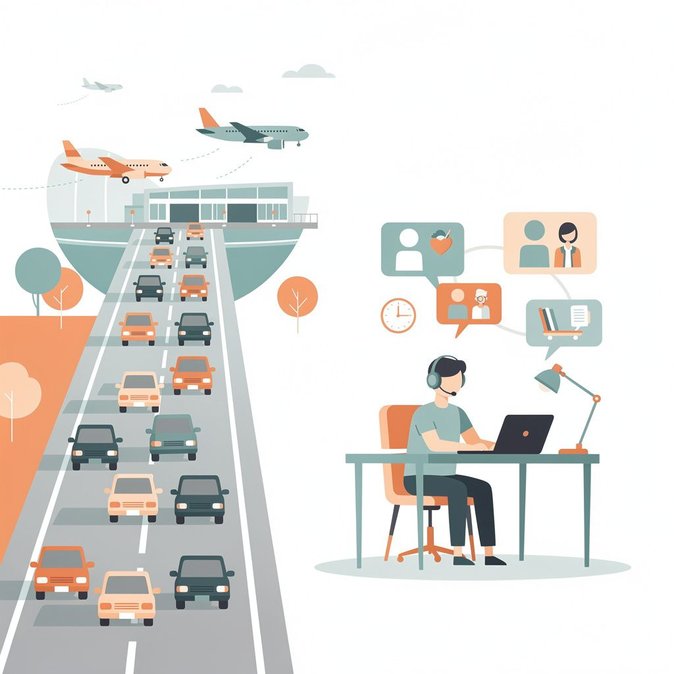
AAA holiday forecast: 81.5 million U.S. travelers expected, with peak road congestion on Tuesday afternoon
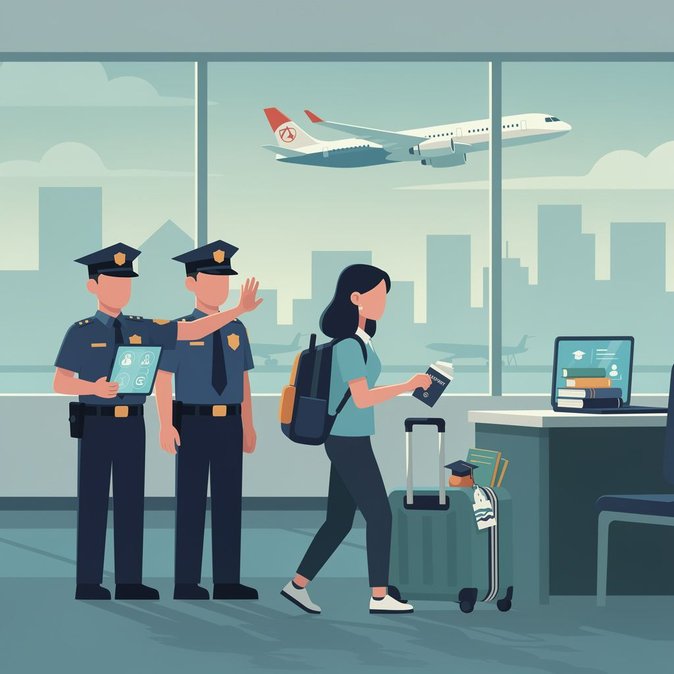
ICE detains Chinese Princeton neuroscientist at D.C. airport, reigniting fears of academic visa crack-downs