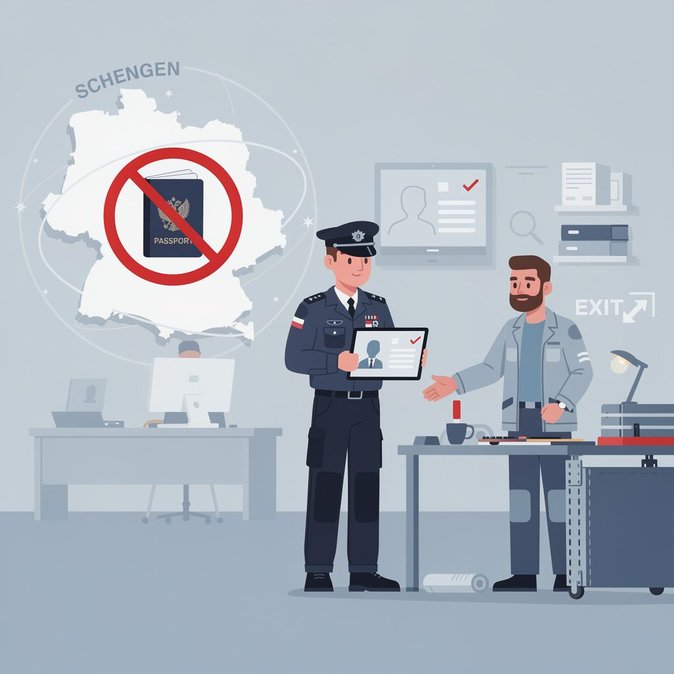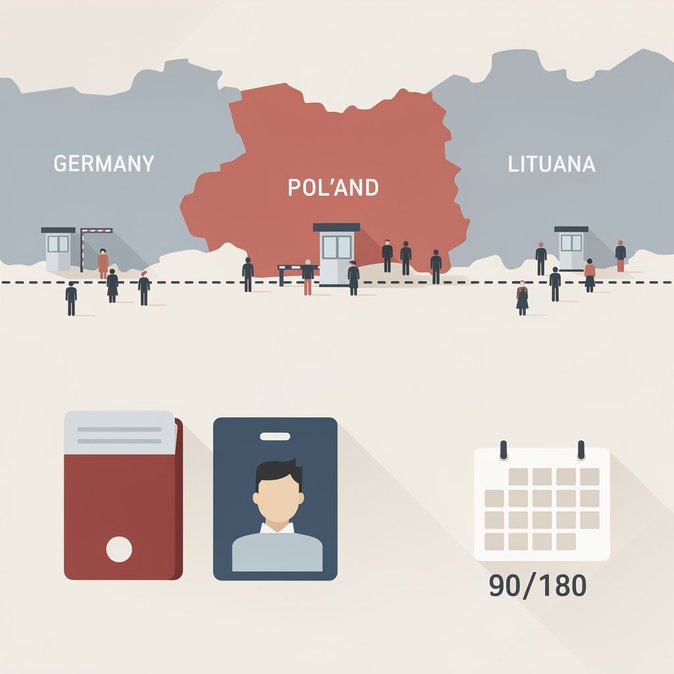
Immigration advisers Fragomen issued an alert on 24 November confirming that Poland—along with Austria, Denmark, France, Germany, Italy, Norway and Sweden—has notified Brussels of a fresh extension of internal-Schengen border controls. For Poland, the measure covers land crossings with Germany and Lithuania and will now run at least until 30 March 2027. The Polish government argues that sustained migratory pressure, human-smuggling networks and spill-over security risks from Russia’s war against Ukraine justify the continued suspension of normal Schengen rules. Warsaw first re-introduced checks on 4 October 2026 for an initial 10-day period, invoking Articles 25 and 29 of the Schengen Border Code. Two renewals followed, each accompanied by statistics citing hundreds of refusals of entry and dozens of arrests—including four Interpol suspects revealed on 25 November. For companies operating cross-border supply chains or rotating staff between Polish and German plants, the extension means planning for at least another four months of potential queuing, documentation inspections and spot vehicle searches. Drivers and posted workers should carry passports or EU national ID cards plus any assignment letters, A1 forms and visa/residence permits. HR teams should also track Schengen day counts for third-country nationals, as time spent in Poland still accrues against the 90/180 rule even when entering via Germany. At EU level, the move highlights the patchwork nature of Schengen since the 2015 migration crisis. Although the revised Schengen Border Code that took effect in 2024 aims to tighten time-limits and review mechanisms, member states retain broad discretion during “persistent serious threats”. Business-travel associations have warned that rolling extensions risk creating quasi-permanent borders, undermining labour mobility and just-in-time logistics. Looking ahead, mobility managers should watch for the European Commission’s next biannual evaluation (due February 2027) and for any automation pilots—such as mobile pre-clearance apps—that Poland may deploy to ease congestion. For now, travellers are advised to add 20-40 minutes to road itineraries and to monitor Polish Border Guard social-media channels for real-time wait-times.
Source: Fragomen Immigration Alert
How VisaHQ can help
VisaHQ simplifies the visa application process for individuals and businesses. Check current travel requirements, prepare the required documents and manage your application online through the VisaHQ Poland portal.More From Poland
View all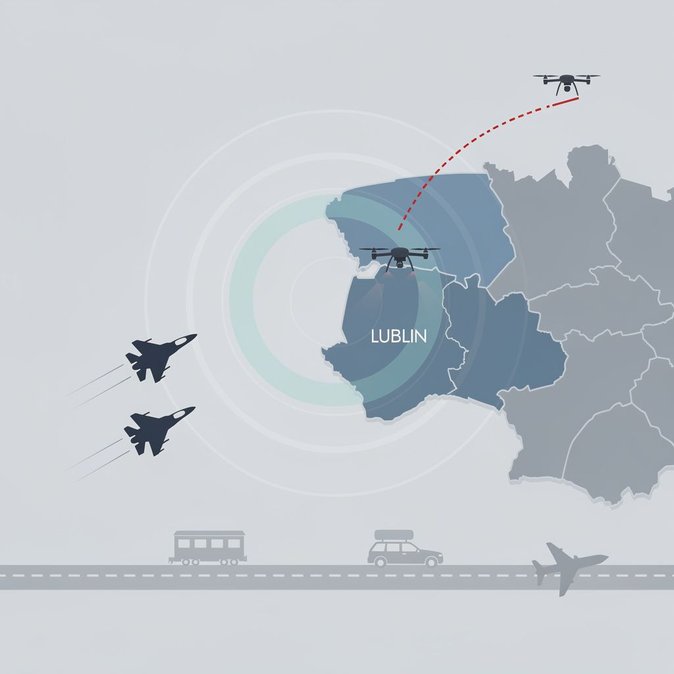
Air-raid alert and fighter scramble after Russian drone briefly enters Polish airspace; travel operations unaffected but vigilance raised
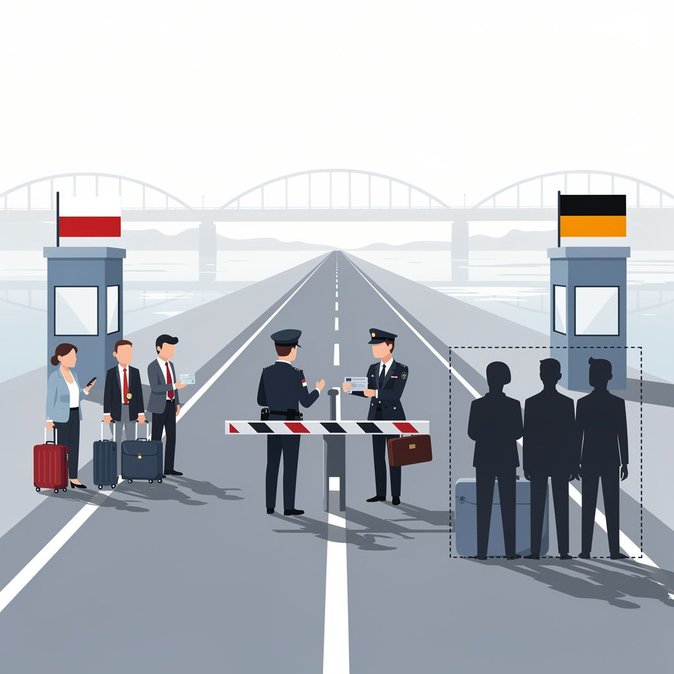
Polish Border Guards capture four Interpol-wanted fugitives during temporary controls on German frontier