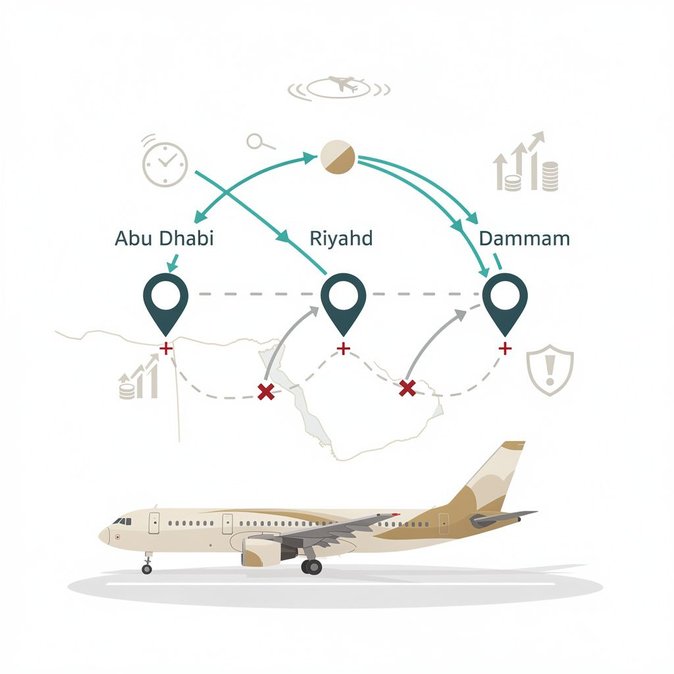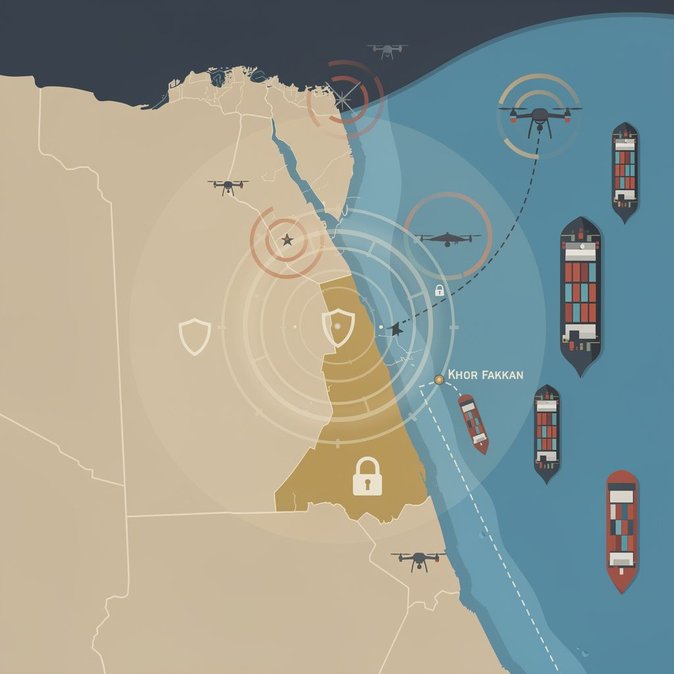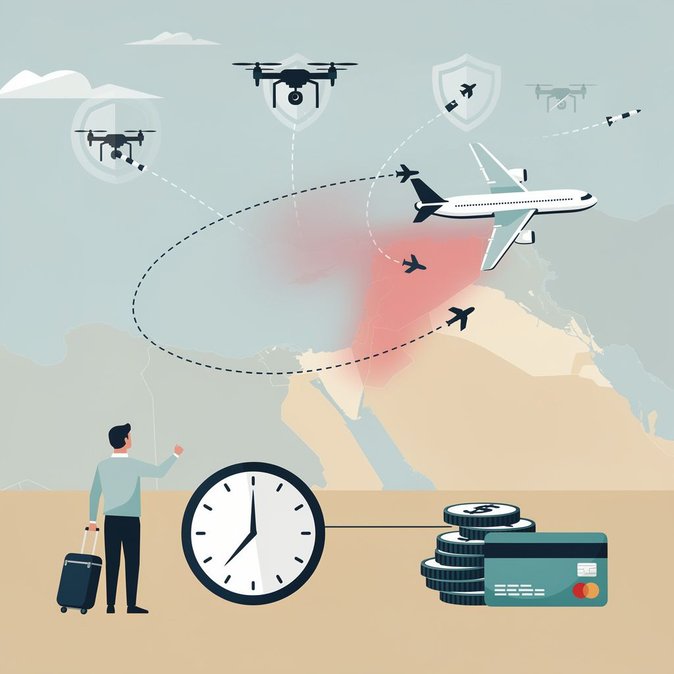
Commercial aviation in and out of the United Arab Emirates is once again on a knife-edge after a fresh spate of drone and missile attacks in neighbouring Kuwait and Saudi Arabia. Kuwaiti authorities confirmed on 26 November that a drone hit a military radar site, killing two Italian technicians, while Saudi defences intercepted two ballistic missiles aimed at Riyadh the same day. The flare-up follows weeks of intermittent strikes on oil and transport infrastructure across the Gulf. Although the UAE’s own airspace remains open and its airports fully operational, carriers are scrambling to adapt. Etihad and flydubai have suspended all services to Riyadh and Abha, while European airlines such as Air France, ITA Airways and KLM have pushed the restart of Riyadh and Dammam flights into 2027. Long-haul operators are adding fuel stops or flying longer routings around the Gulf, which is driving up operating costs and lengthening journey times for business travellers. Against this backdrop, the European Union Aviation Safety Agency (EASA) on 27 November updated its Conflict-Zone Information Bulletin, advising EU and third-country operators to avoid the waters of the UAE, Bahrain, Kuwait, Oman and Qatar below FL260 until at least 31 January 2027. The bulletin, though non-binding, is widely treated as the baseline for airline risk assessments; many corporate travel managers use its validity date as a go/no-go trigger for trip approvals. The practical impact is immediate for multinational companies with regional headquarters in Dubai and Abu Dhabi. Mobility and security teams are fielding a surge in rebooking requests, and several firms have reinstated ‘split-team’ staffing models first seen during the pandemic. Logistics departments report higher air-freight rates as freighter aircraft vie with passenger jets for the handful of safe corridors that remain open. For travellers who must fly, experts recommend checking flight status right up to departure, allowing extra connection time, and building flexibility into itineraries. Most GCC carriers are offering fee-free date changes, and Emirates has bundled conflict-insurance coverage into all international tickets. While the UAE itself has not been struck, the episode underscores how quickly external security shocks can roil even the region’s most resilient aviation hub.
Source: Condé Nast Traveller Middle East