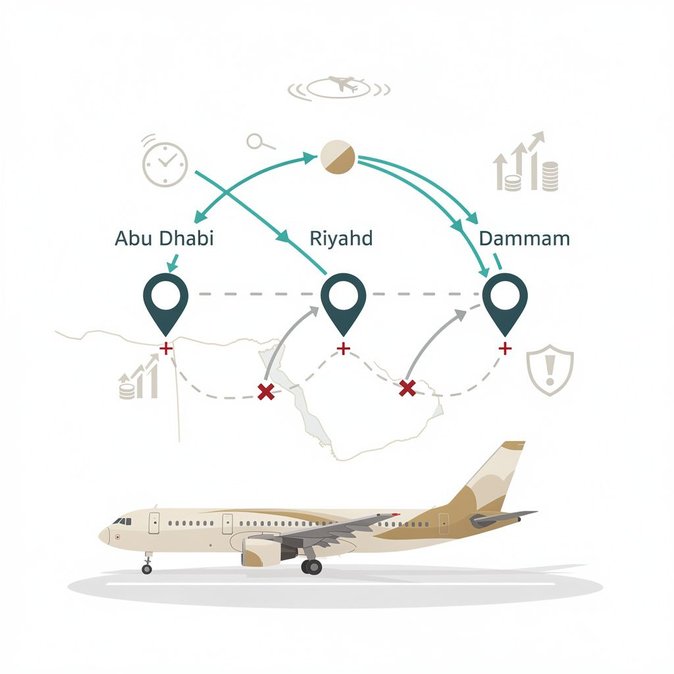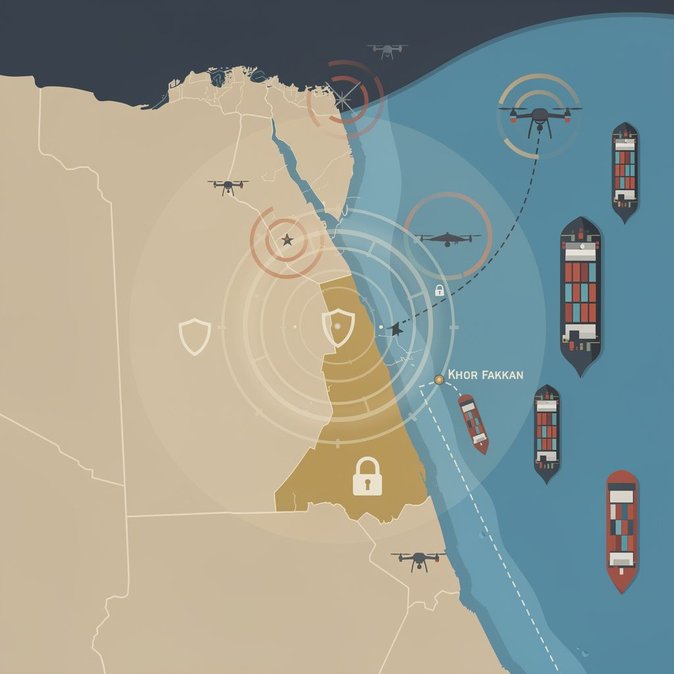
A confidential situation report circulated on 27 November by London-based Westminster Security Group warns corporate clients that the UAE remains on ‘maximum alert’, even though no confirmed attacks have occurred on Emirati soil. The 218th weekly briefing cites the fatal drone strike in Kuwait, Iranian-linked incidents in Bahrain, and a projectile that hit a bulk carrier 23 nautical miles off Khor Fakkan on 23 November. The advisory underscores three risk vectors for companies operating in the Emirates: potential spill-over attacks on US assets at Al Dhafra Air Base, threats to UAE oil terminals should tensions over the Strait of Hormuz blockade escalate, and hazards to UAE-flagged shipping along the country’s east-coast approaches. The report also notes that ADNOC Logistics & Services confirmed the death of a crew member missing since a 17 November tanker attack. While the document is marked “Strictly Confidential”, key findings have filtered into the expatriate security community. Several energy majors have reportedly postponed non-essential travel to Fujairah and Khor Fakkan ports, and at least one global logistics provider is routing high-value cargoes via Muscat to avoid the Strait hot-zone. Importantly, the SITREP stresses that UAE diplomatic engagement and robust air-defence capabilities continue to deter direct strikes, but it advises corporate security managers to maintain business-continuity plans, verify shelter-in-place procedures for assignees, and rehearse remote-working contingencies. For global mobility teams, the takeaway is nuanced: day-to-day life in Dubai and Abu Dhabi is unaffected, but travel to outlying industrial sites and maritime transits in UAE-linked waters warrant heightened scrutiny. Insurance underwriters may also revisit premiums for personnel and cargo movements through the eastern approaches to the Strait of Hormuz.
Source: Westminster Security Group