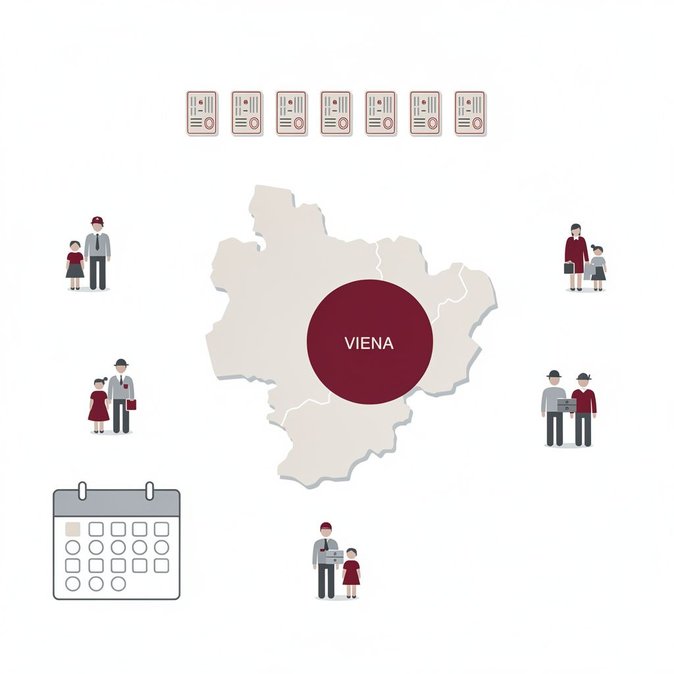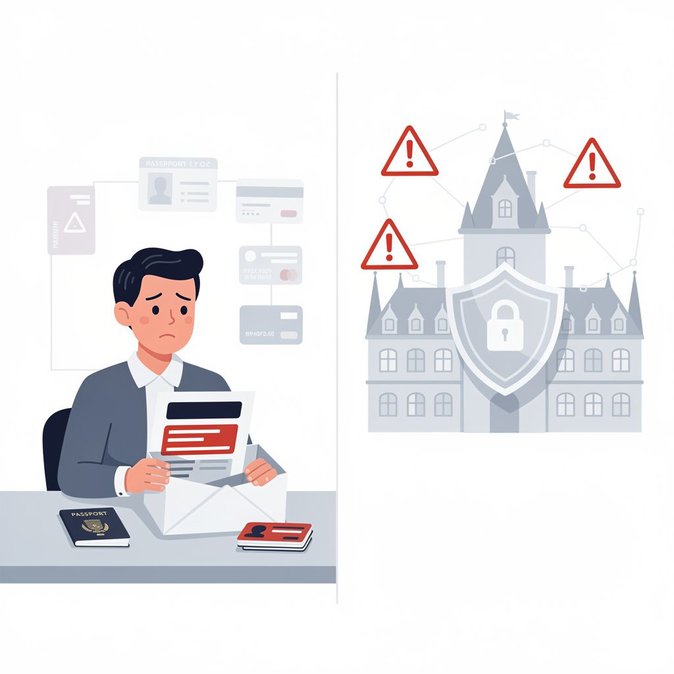
Vienna’s municipal authorities have issued an urgent fraud alert after dozens of foreign residents reported receiving letters that mimicked official city stationery and demanded passports, residence permits and a mysterious ‘processing fee’. The letters carried bogus reference numbers, referred to a non-existent department and instructed recipients to present themselves at a specified address within ten days. The scam surfaced on 27 November when several residents contacted the city’s 24-hour service line after noticing odd phrasing and an untraceable bank IBAN printed on the notice. The city’s Integration and Diversity Department (MA 17) confirmed that no such documentation campaign is under way and that legitimate correspondence would never ask for original passports to be brought to an appointment without prior digital scheduling. Foreign nationals in Austria—particularly holders of Red-White-Red Cards, EU-Blue Cards and student permits—are prime targets because many are unfamiliar with German administrative jargon. Lost passports or residence cards can enable identity theft that jeopardises legal status and future naturalisation applications. The city has asked anyone who has already paid money or handed over documents to file a police report and to freeze any bank transfers immediately. Immigration-law practitioners recommend that globally mobile staff verify any unexpected request directly with the issuing authority via official telephone numbers listed on wien.gv.at, and remind HR mobility teams to brief newcomers on Austria’s strict data-protection culture. Employers should also ensure that company relocation partners dispose of outdated physical copies of personal documents, which criminals sometimes use as templates for forgeries. The incident reflects a broader trend across Europe, where fraudsters exploit tighter residence-compliance regimes and looming changes—such as ETIAS pre-travel authorisation—to trick expatriates. Multinationals with Vienna-based assignees are advised to circulate the city’s hotline (01 4000 4001) and to include document-security guidance in onboarding packs.
Source: The Local Austria