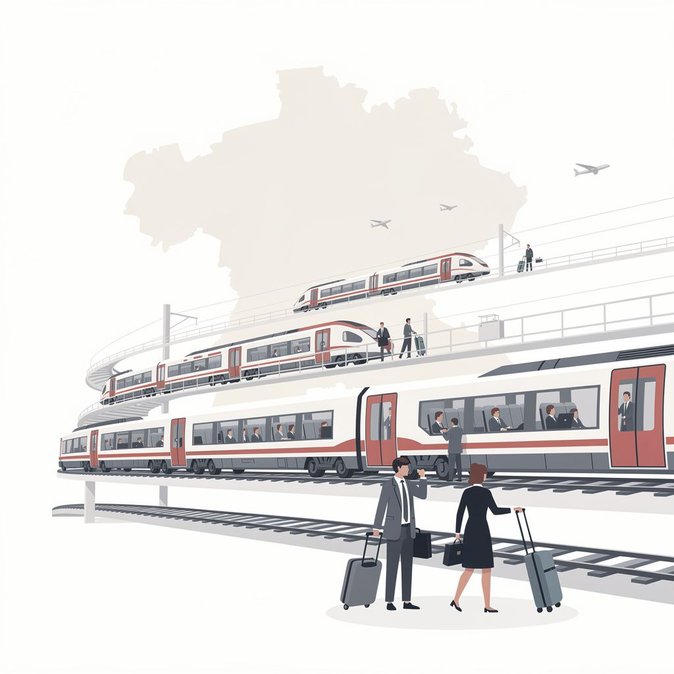
Fresh data published by public-transport think-tank LITRA on 26 November show that residents of Switzerland travelled an average of 2,578 passenger-kilometres by train in 2025 and undertook 73 rail trips per person – both up on the previous year and far ahead of any other European country. Hungary ranked a distant second with 1,702 pkm, while Austria and France followed. The figures confirm that Switzerland’s dense timetable and integrated ticketing continue to support high levels of sustainable mobility, a key attraction for multinationals basing staff in the country. For corporate travel planners, the data strengthen the case for rail-first mobility policies on domestic and short-haul cross-border trips, especially given the government’s climate-linked deduction limits on air fares introduced in 2025. LITRA notes that the upcoming 2027 timetable will add 10 % more inter-city capacity, including half-hourly Zurich–Munich ICE services and new night-trains to Barcelona. Employers offering carbon-budget incentives should therefore update internal booking tools to reflect faster journey times and additional direct connections. The report also highlights that the average Swiss rail journey is just 35 km, suggesting heavy use of trains for commuting and intra-Swiss business trips. HR mobility teams may wish to review the taxation of half-fare cards and GA travelcards provided to employees, as the Federal Tax Administration is expected to publish updated fringe-benefit guidelines in early 2027.