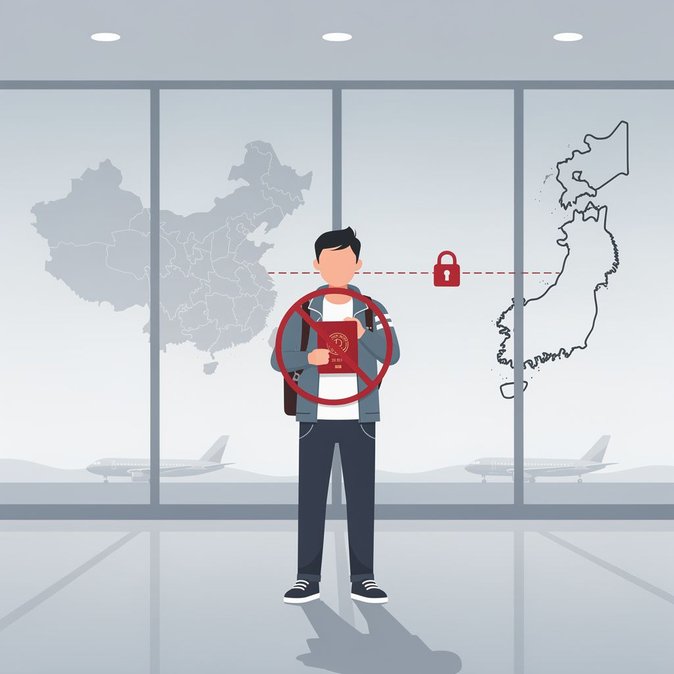
In a case that underscores China’s widening use of administrative exit bans, well-known consumer-rights campaigner Wang Hai revealed this week that his passport was summarily invalidated while he was overseas, leaving him and his family marooned in South Korea. According to an Associated Press interview published on 26 November, Wang fled China earlier this year after police detained several colleagues following an investigation into counterfeit agricultural chemicals. Wang attempted to seek asylum in Seoul but was refused; complicating matters further, the United States revoked his tourist visa after he left China, closing off an alternative refuge. With no valid Chinese travel document, Wang cannot board a commercial flight to a third country, and South Korean authorities are reportedly weighing deportation options. The incident illustrates the breadth of powers Chinese authorities gained under new Exit-Entry Regulations (State Council Decree No. 841) that took effect on 15 September. The rules allow immigration officials to cancel or refuse passports and prohibit departures on national-security, public-order or civil litigation grounds. While high-profile dissidents have long faced such restrictions, corporate compliance officers now worry that executives involved in commercial disputes or regulatory investigations could face similar constraints. Global-mobility teams should monitor employees who travel on Chinese passports for potential legal entanglements that may trigger exit bans and develop contingency plans, including secondary travel documents where feasible. Firms engaged in sensitive sectors—such as technology export or consumer safety—may wish to brief staff on the heightened risks of overseas travel during active investigations.
Source: Associated Press