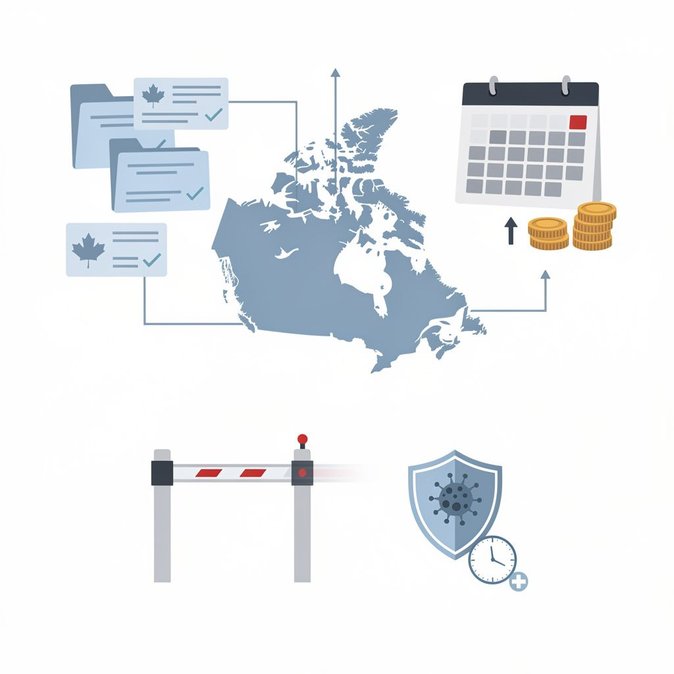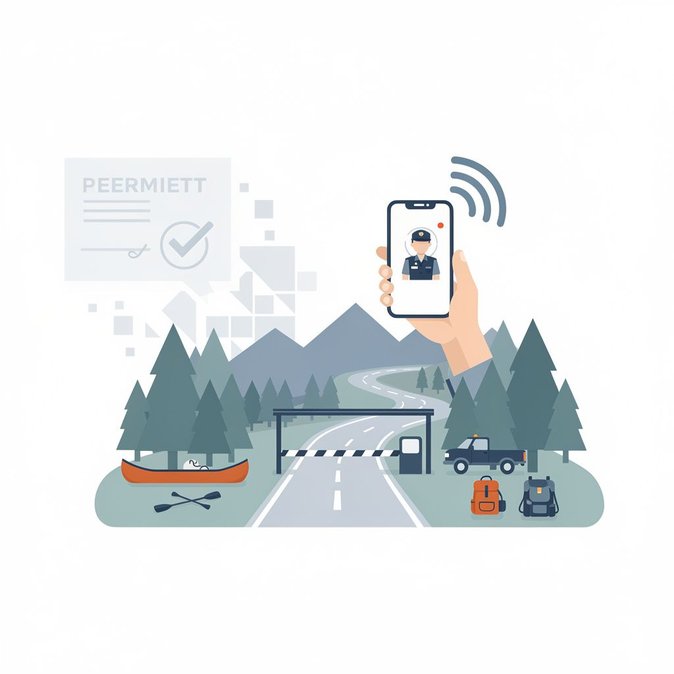
Travellers accustomed to paddling, cruising or snowmobiling through the wilderness border between north-western Ontario, Manitoba and Minnesota have just hours left to use Canada’s Remote Area Border Crossing (RABC) permit. In a notice first issued on 25 November and amplified today by national and regional media, the Canada Border Services Agency confirmed the RABC scheme will shut down at 23:59 on 30 November 2026. Instead of pre-cleared paper permits, cross-border adventurers—as well as fishing lodges, outfitters and Indigenous communities that straddle the frontier—will report their arrival to the CBSA by telephone from one of 17 newly designated sites. Locations range from the Cache Bay Ranger Station in Quetico Provincial Park to the Northwest Angle landing on Provincial Road 525 in Manitoba, each equipped with signage and direct lines to a border services officer. Telephone reporting is not new; yachts and private aircraft have used it for years. What changes on 1 December is scale. The CBSA argues that closing the permit program and expanding remote reporting will cut paperwork, provide 24/7 officer access, and let officers triage travellers for in-person inspection when risk indicators arise. For tourism operators, the transition means retraining staff and rewriting guest instructions during peak ice-fishing season. RABC permits already issued for trips after 30 November become void, so businesses must make sure clients know where—and how—to call in. Companies with frequent cross-border staff moves should verify that satellite phones function at the new reporting docks and should build the few extra minutes of call time into travel schedules. The CBSA says it will evaluate feedback through spring 2027. If the model proves successful, expect similar phone-first procedures at other remote crossings, a change that could eventually streamline logistics for mining and energy projects along the border.
Source: Canada Border Services Agency