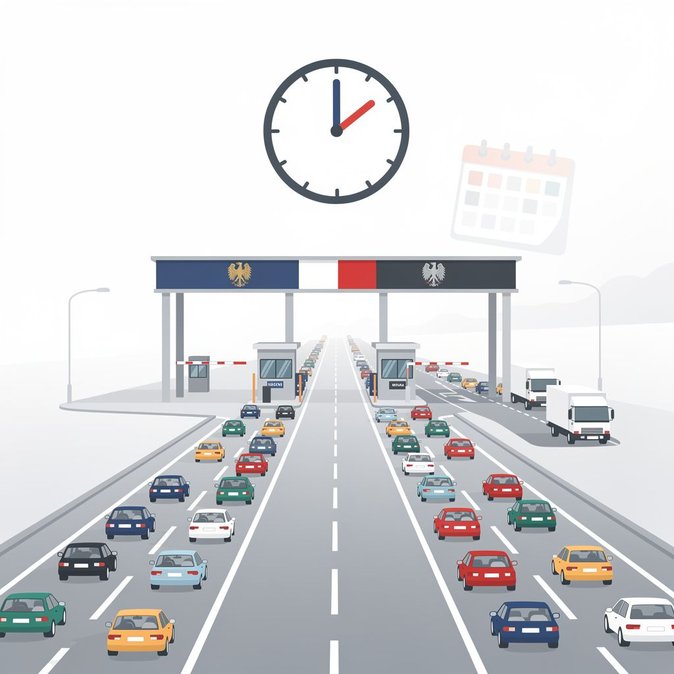
Germany’s Federal Government has all but finalised the salary thresholds that will apply to EU Blue Card applications decided on or after 1 January 2027. According to a legal briefing published on 27 November 2026, the standard minimum salary will rise from €50,700 to €53,100, while the reduced threshold for shortage-occupation jobs, recent graduates and highly-skilled IT specialists without a degree will increase from €45,934.20 to €48,108.60. The figures are derived mechanically from the annual pension-insurance contribution ceiling, which the Cabinet set at €106,200 for 2027. The Bundesrat endorsed the underlying Social-Security Calculation Regulation on 20 November 2026; the Federal Interior Ministry now has until 31 December to publish the formal Blue Card notice in the Federal Gazette. Employers should note that immigration authorities decide cases using the threshold in force on the day of decision—not the day the application was filed—so offers that merely meet the 2026 amounts risk rejection if the decision slips into the new year. The higher bar is the steepest nominal increase since the Blue Card was introduced in Germany in 2012 and reflects both wage inflation and lawmakers’ push to position Germany as a premium knowledge-economy destination. Larger companies that recruit globally will have to review outstanding employment contracts and, where necessary, issue contract amendments before consular interviews or residence-permit appointments. HR teams are also advised to reserve additional budget for renewals: Blue Card holders switching employers in 2027 will have to meet the new threshold unless they fall into a protected category such as recent graduates. For multinational employers the message is clear: speed up pending filings, front-load decision-maker capacity at headquarters and local entities, and earmark contingency funds for pay adjustments. Candidates who have already accepted offers should be briefed about the impact on net pay and tax, as gross-salary increases can change social-security contributions. Recruiters can, however, reassure STEM graduates and shortage-occupation workers that the reduced threshold continues to give Germany an edge over countries such as the Netherlands and France, whose 2027 Blue Card floors are projected to stay above €50,000 even for shortage fields.
Source: LegalWeg