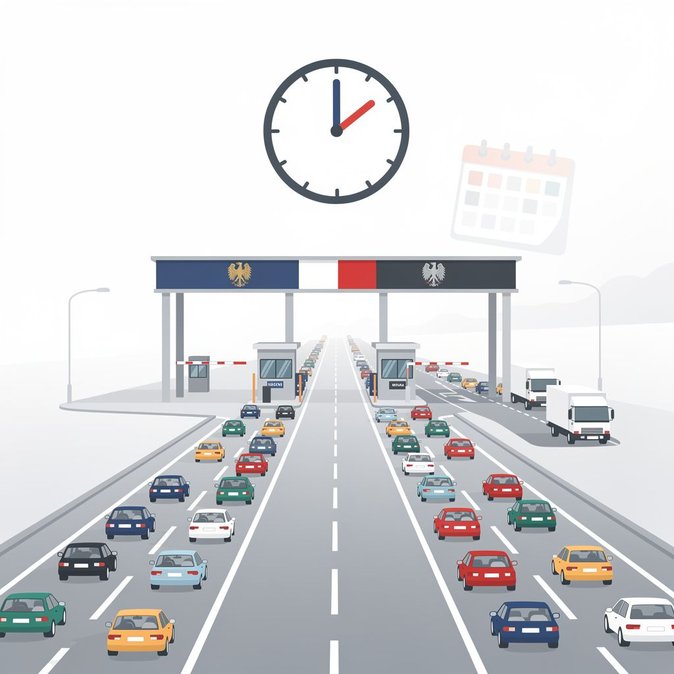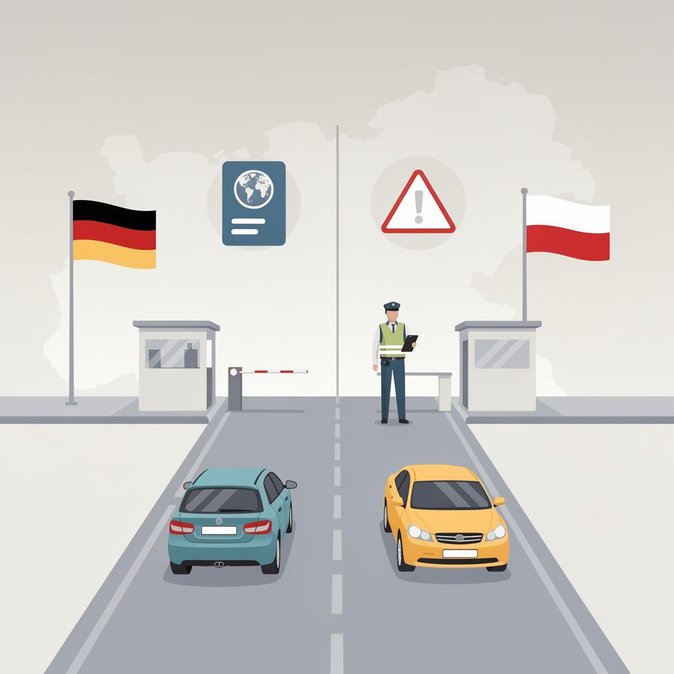
Berlin’s Foreign Office refreshed its travel and security advisory for Poland on 28 November, reminding motorists that both Poland and Germany are now carrying out flexible Schengen-internal border controls. The update highlights two pain points for corporate shuttle and project logistics traffic: unpredictable waiting times at main crossings and harsh criminal penalties in Poland for assisting irregular migrants. Poland first re-introduced fixed controls on the German frontier in July 2025, citing smuggling networks moving people from Belarus through Lithuania and into the EU. Germany followed suit in September 2026 to stem a rise in irregular entries, basing its decision on Article 25 of the Schengen Borders Code. The Foreign Office note confirms that German police may demand passports or ID cards from *all* vehicle occupants and that queues build quickly whenever checks are ramped up. For cross-border commuters, suppliers and expatriate families living on one side of the Oder and working on the other, the biggest compliance trap remains the Polish criminal code. Transporting a hitch-hiker or even an acquaintance without proper papers can trigger multi-year jail sentences and vehicle confiscation. Several German residents have already faced lengthy investigations after giving lifts to strangers near service stations. Mobility managers are therefore advised to brief assignees on three practical steps: keep travel documents within reach, budget extra drive-time for client visits in Wrocław or Szczecin, and avoid offering rides to unknown travellers. Companies that rely on just-in-time parts deliveries across the border should also review alternative rail or airfreight contingencies as the Christmas peak approaches.