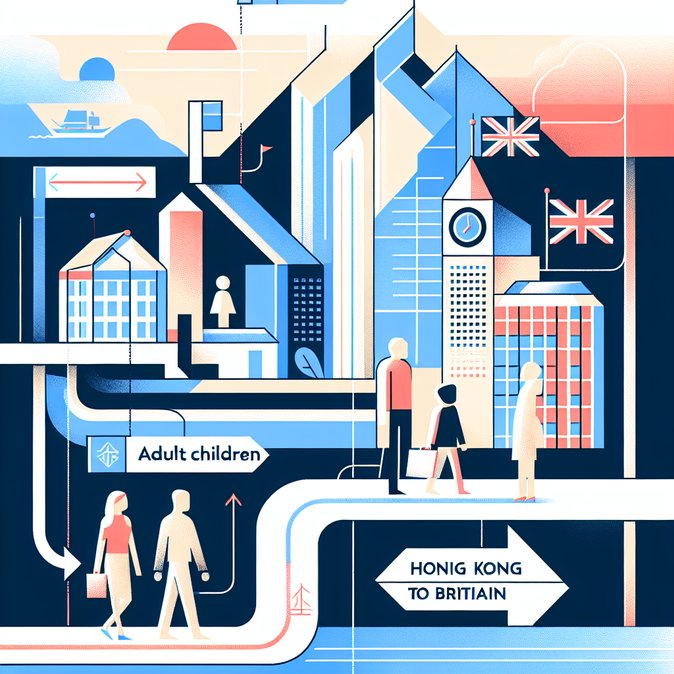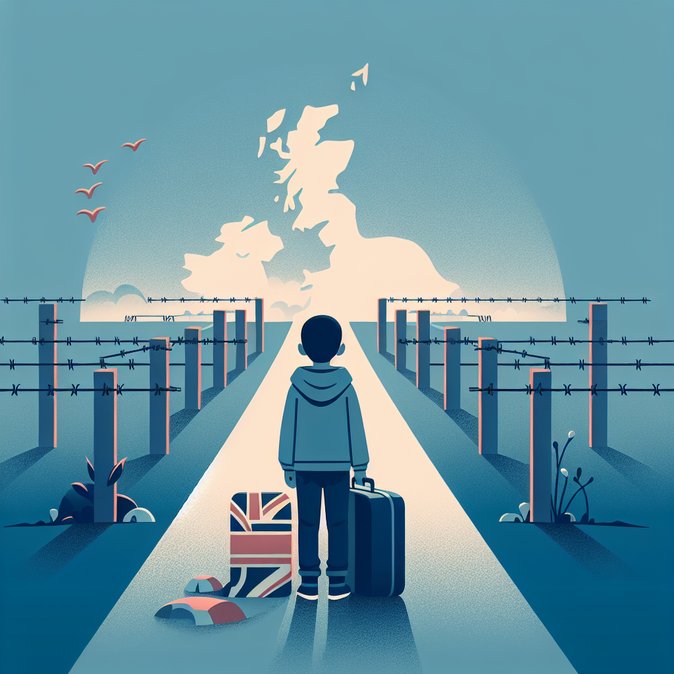
Veteran Labour peer Lord Alf Dubs – himself a Kindertransport refugee – has launched a stinging attack on Home Secretary Shabana Mahmood for halting family-reunion visas for unaccompanied refugee children. In an exclusive Guardian interview published overnight, Dubs accused the Labour government of ‘kowtowing’ to right-wing sentiment and warned the policy echoes the 1930s climate that once forced Britain to act decisively for children fleeing persecution.
Under rules suspended in September 2025, adults granted asylum could sponsor spouses and children, but children had no equivalent right to join parents or siblings already in the UK. The freeze, ostensibly temporary until new “safe and legal routes” open in spring 2026, has left thousands of minors stranded in camps or transit countries. Mahmood argues border control must be restored first; Dubs retorts that delaying reunification simply drives minors into the hands of traffickers.
![‘Pulling up the drawbridge’: pressure grows over suspension of family-reunion visas for child refugees]()
For global mobility teams the issue surfaces in CSR agendas and duty-of-care policies. Multinationals seconding staff to high-risk regions increasingly assess the reputational risk of appearing indifferent to refugee welfare. Some are lobbying privately for the Home Office to re-open limited humanitarian corridors so that employees engaged in pro-bono or NGO partnerships can facilitate evacuations without complex, ad-hoc waivers.
More broadly, the row underlines a hardening UK stance on all forms of legal migration – work, family and protection – even under a Labour administration. Mobility professionals advising assignees involved in refugee advocacy, journalism or relief projects should monitor the Home Office’s forthcoming “safe routes” blueprint, expected by Easter, and be ready to brief staff on what documentation may suffice once the suspension lifts.
Under rules suspended in September 2025, adults granted asylum could sponsor spouses and children, but children had no equivalent right to join parents or siblings already in the UK. The freeze, ostensibly temporary until new “safe and legal routes” open in spring 2026, has left thousands of minors stranded in camps or transit countries. Mahmood argues border control must be restored first; Dubs retorts that delaying reunification simply drives minors into the hands of traffickers.

For global mobility teams the issue surfaces in CSR agendas and duty-of-care policies. Multinationals seconding staff to high-risk regions increasingly assess the reputational risk of appearing indifferent to refugee welfare. Some are lobbying privately for the Home Office to re-open limited humanitarian corridors so that employees engaged in pro-bono or NGO partnerships can facilitate evacuations without complex, ad-hoc waivers.
More broadly, the row underlines a hardening UK stance on all forms of legal migration – work, family and protection – even under a Labour administration. Mobility professionals advising assignees involved in refugee advocacy, journalism or relief projects should monitor the Home Office’s forthcoming “safe routes” blueprint, expected by Easter, and be ready to brief staff on what documentation may suffice once the suspension lifts.
Source: The Guardian