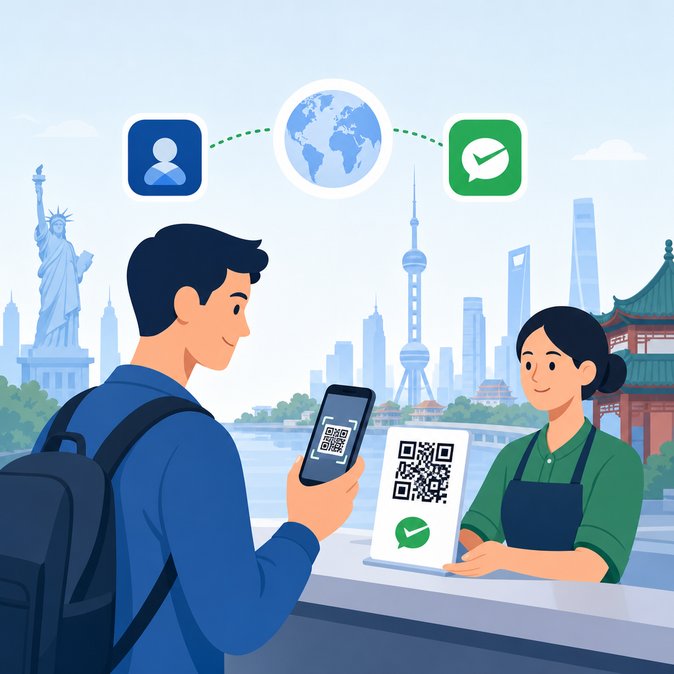
Tencent has taken another step toward friction-free spending for business travellers. Speaking at the Shenzhen International Finance Expo, the tech giant announced that its cross-border arm TenPay Global has built direct API connectivity with PayPal World. From 30 May, U.S. PayPal users visiting China can open their familiar PayPal app, generate a dynamic QR code and pay at any of the country’s 60 million WeChat Pay terminals without downloading WeChat or binding a bank card. Roll-out to Europe, Australia and Asia-Pacific markets will follow in phases. The tie-up is powered by the People’s Bank of China-backed “Cross-border QR Code Unified Gateway”, an industry platform that standardises data fields and settlement flows among domestic and foreign e-wallets. Previously, each overseas wallet had to negotiate individual technical and compliance integrations—an expensive barrier that kept many out of the world’s largest mobile-payment ecosystem. For multinationals rotating staff into China for short projects, the change eliminates the cash-or-corporate-card anxiety that has dogged travellers since local merchants went fully cash-lite after COVID-19. Tencent sweetened the deal with fee breaks: first-time foreign card binders enjoy a 90-day waiver of the 3 percent overseas card fee on transactions up to RMB 1,000, while all international card payments under RMB 200 remain fee-free through 2026. The company has also expanded on-app language guides to 16 tongues and set up physical payment-help desks at Shenzhen airports, land ports and major convention centres—critical ahead of China’s host year of APEC meetings. For PayPal, grappling with sluggish growth and a 50-percent share-price slide, the partnership offers access to the fastest-recovering inbound tourism market. Cross-border e-commerce data show PayPal’s China-origin merchants already drive a third of its global gross payment volume; converting those online consumers into on-ground users strengthens the value proposition for merchants and travellers alike. Corporate mobility managers should update pre-departure briefings: employees carrying a PayPal wallet can now expense taxis and meals via the app they already use at home. Finance teams, however, must verify with card issuers whether PayPal-generated RMB charges attract additional dynamic currency-conversion spreads. Looking ahead, integration with China’s instant tax-refund system is slated for Q3, promising same-day VAT rebates straight to travellers’ PayPal wallets.
Source: Sina Finance / Caixin Wire