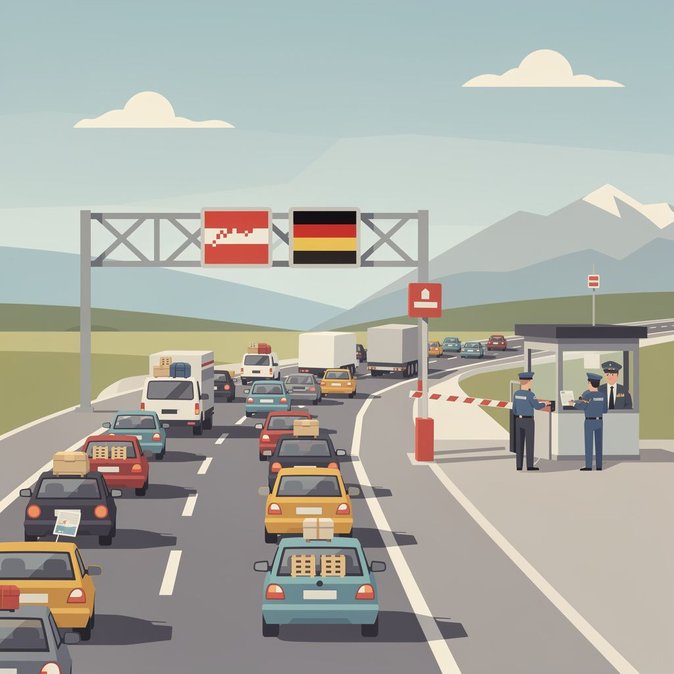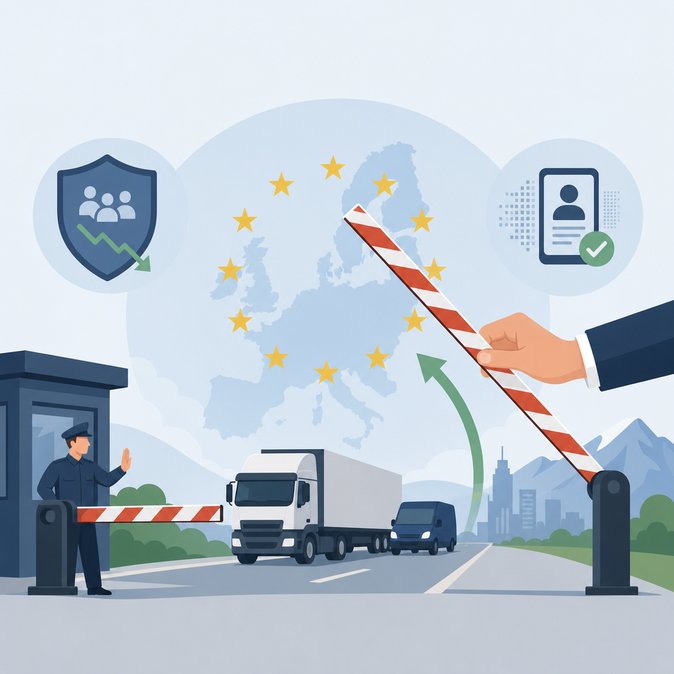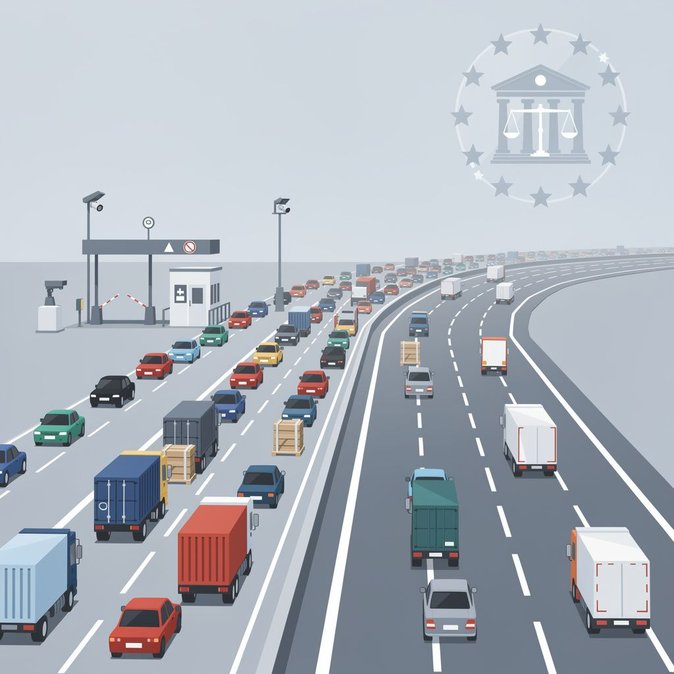
A detailed 11 June analysis by Web.de criticises Berlin’s decision to prolong internal Schengen checks, arguing they deliver minimal security benefits while shifting costs onto neighbouring states—chief among them Austria. According to migration scholar Marcus Engler, the policy is ‘symbolic politics’ that clogs the Kufstein, Passau and Kiefersfelden crossings without meaningfully reducing asylum applications. For Austria the ramifications are twofold. First, freight and commuter delays on shared corridors raise just-in-time delivery risks and erode the competitiveness of Tyrolean exporters. Second, as long as Germany maintains checks, Vienna has political cover to keep its own controls at the Slovenian and Hungarian borders, perpetuating a domino effect inside Schengen. The article also highlights the legal uncertainty: several German administrative courts have ruled the controls disproportionate, and a case is pending before the European Court of Justice. Should the ECJ strike them down, Austria may need to rethink its own derogations quickly, creating short-notice procedural changes for employers and travellers. Mobility managers are advised to monitor litigation timelines and prepare contingency communications for staff who cross the border daily. Companies should also explore shifting time-critical freight onto rail, which is less affected by roadside identity checks.
Source: WEB.DE