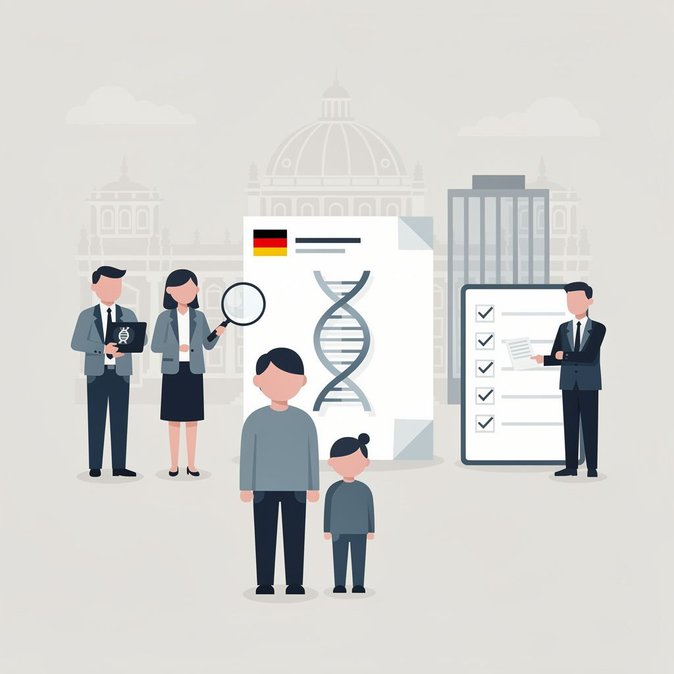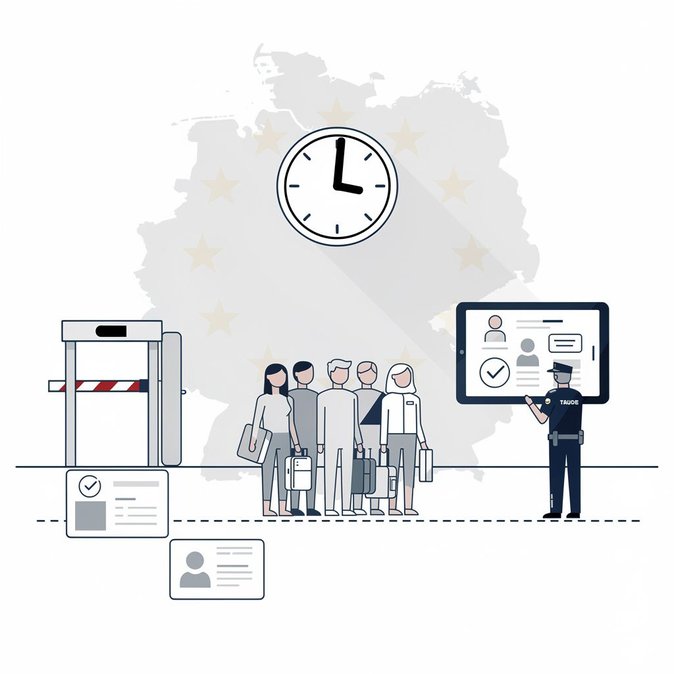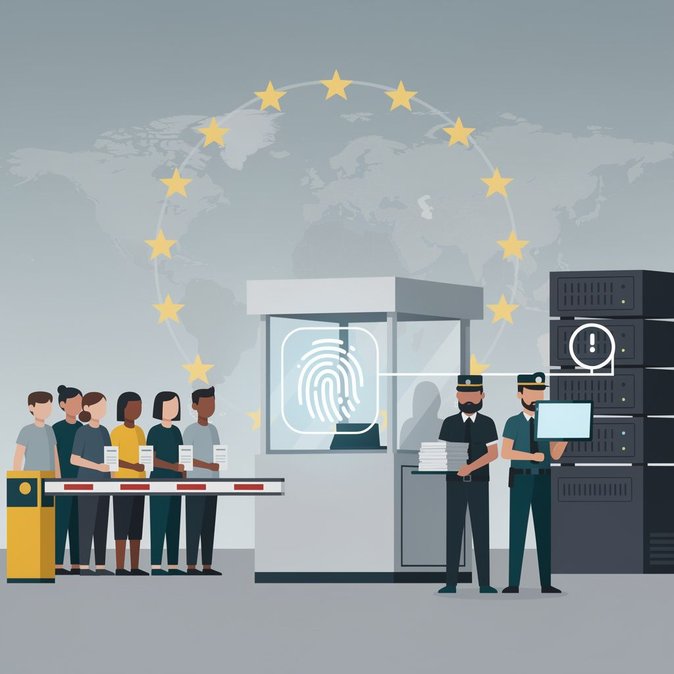
Barely 11 hours into the life of the EU’s revamped asylum architecture, the central Eurodac database suffered a continental outage, forcing German authorities to revert to paper fingerprint cards for several hours. Eurodac holds the biometric data that underpins the new border-screening regime and determines which member state is responsible for an asylum claim.
For companies and travellers who suddenly find themselves navigating unexpected border disruptions like this, VisaHQ can streamline the paperwork and secure any urgent travel authorisations you might need. Our specialists monitor German and EU entry rules in real time, help pre-check documents for repeat inspections, and can arrange fast-track visas when delays threaten business continuity. Discover how we can assist at https://www.visahq.com/germany/
The Dutch Immigration Service first reported the malfunction; Berlin’s Federal Office for Information Technology in Security (BSI) soon confirmed that uploads from Germany’s border posts and new airport centres were queuing without acknowledgement. Although connectivity was restored by mid-afternoon, approximately 1,800 first-time registrations made in Germany are queued for manual reconciliation, delaying onward transfer of asylum-seekers and putting return deadlines at risk. An Interior Ministry spokesman insisted “no data were lost” but conceded that the outage “shows how tight the implementation timeline was”. Lawyers argue that if the seven-day screening clock cannot start because Eurodac is unavailable, applicants may have to be released from holding facilities – a loophole businesses fear could recreate unpredictable arrival surges seen in 2015. For employers the bigger risk is knock-on: if Eurodac downtimes become routine, Germany may extend its controversial internal border checks beyond the current 15 September deadline, prolonging delays for cross-border commuters and just-in-time freight. Mobility teams should monitor ministry advisories and keep copies of staff travel documents in case secondary inspections must be repeated.
For companies and travellers who suddenly find themselves navigating unexpected border disruptions like this, VisaHQ can streamline the paperwork and secure any urgent travel authorisations you might need. Our specialists monitor German and EU entry rules in real time, help pre-check documents for repeat inspections, and can arrange fast-track visas when delays threaten business continuity. Discover how we can assist at https://www.visahq.com/germany/
The Dutch Immigration Service first reported the malfunction; Berlin’s Federal Office for Information Technology in Security (BSI) soon confirmed that uploads from Germany’s border posts and new airport centres were queuing without acknowledgement. Although connectivity was restored by mid-afternoon, approximately 1,800 first-time registrations made in Germany are queued for manual reconciliation, delaying onward transfer of asylum-seekers and putting return deadlines at risk. An Interior Ministry spokesman insisted “no data were lost” but conceded that the outage “shows how tight the implementation timeline was”. Lawyers argue that if the seven-day screening clock cannot start because Eurodac is unavailable, applicants may have to be released from holding facilities – a loophole businesses fear could recreate unpredictable arrival surges seen in 2015. For employers the bigger risk is knock-on: if Eurodac downtimes become routine, Germany may extend its controversial internal border checks beyond the current 15 September deadline, prolonging delays for cross-border commuters and just-in-time freight. Mobility teams should monitor ministry advisories and keep copies of staff travel documents in case secondary inspections must be repeated.