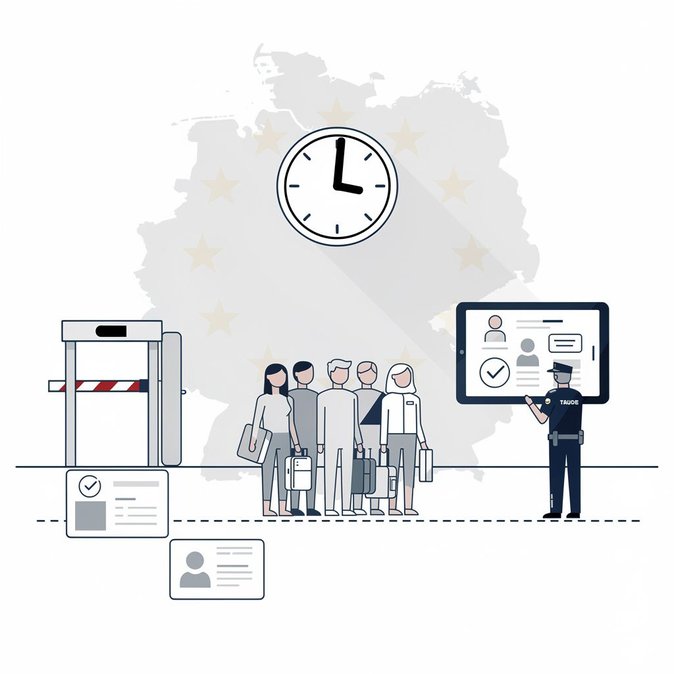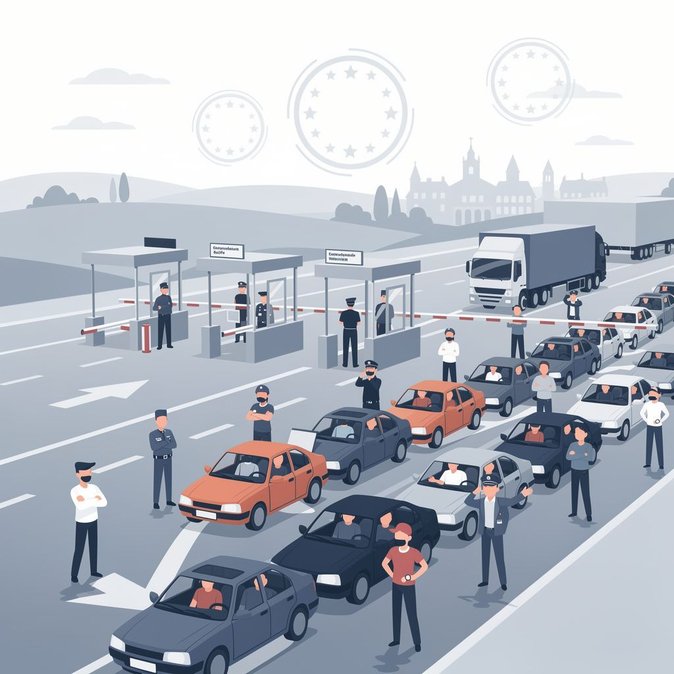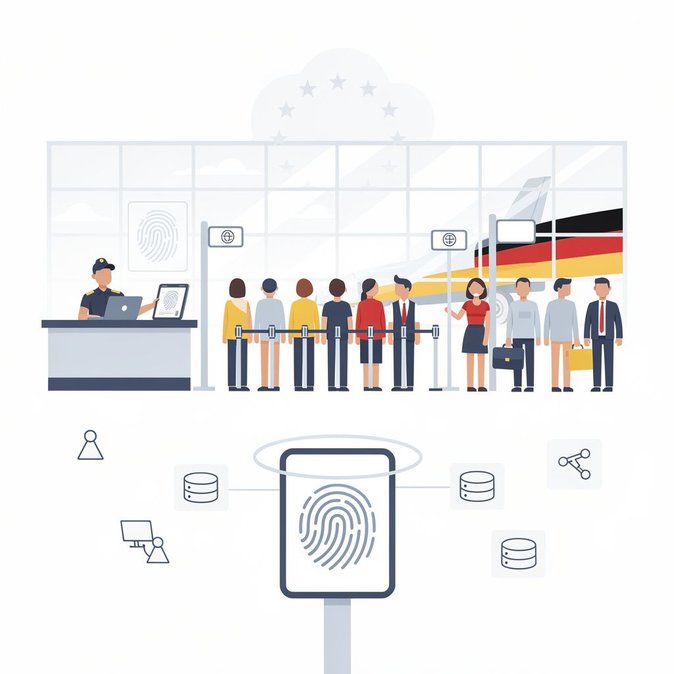
At 00:00 on 12 June 2026 the long-awaited EU Pact on Migration and Asylum – formally the reform of the Common European Asylum System (GEAS) – became binding law. For Germany, the change marks the most profound overhaul of its border-, asylum- and return-procedures in three decades. The federal cabinet rushed a 280-page GEAS-Anpassungsgesetz through parliament last month; it entered into force simultaneously with the EU rules and hard-wires the new EU border screening, mandatory biometric enrolment and accelerated asylum procedures into German law. Under the pact, every irregularly arriving adult – and for the first time children from the age of six – must undergo a up-to-seven-day screening that includes fingerprinting, facial images and security checks. Applicants from countries with an EU-wide protection rate below 20 percent are channelled into a 12-week border procedure designed to fast-track rejections and returns. Germany has opted to carry out these procedures only at airports and major seaports; land borders will continue to use the existing “Einreise-Fiktion” model that treats people as legally not yet on German soil until the screening is completed. Interior Minister Alexander Dobrindt called the pact “the biggest migration policy reset since Schengen”, arguing it would restore trust in orderly immigration and free up resources for genuine refugees. Human-rights NGOs, however, warn of "detention-like" conditions at border facilities and the use of "necessary force" to fingerprint minors – a provision Germany transposed verbatim. Save the Children Germany said it is considering strategic litigation if coercive measures are used against children. For corporate mobility managers the implications are mixed. On the one hand, predictable timelines for low-likelihood cases could shorten the period in which an employee’s accompanying family remains in limbo. On the other, stricter identification rules at external borders will lengthen processing for third-country business travellers who lack visas or whose documents raise doubts. Carriers face new ‘pre-check’ liabilities of up to €10,000 per passenger for boarding travellers without the documents required under Regulation (EU) 2024/1356. Practically, HR teams sending staff on assignments from GEAS “safe country” lists (e.g. UK, US, Canada, Japan) will see no change. But postings from medium-risk markets such as India, Türkiye or Egypt should anticipate extra questions at German airports until the new procedures bed in. Companies are advised to add at least 30 minutes to post-arrival ground timelines for non-EU assignees and to budget for possible overnight accommodation if flights arrive late in the evening, when border-screening capacity is thinnest.