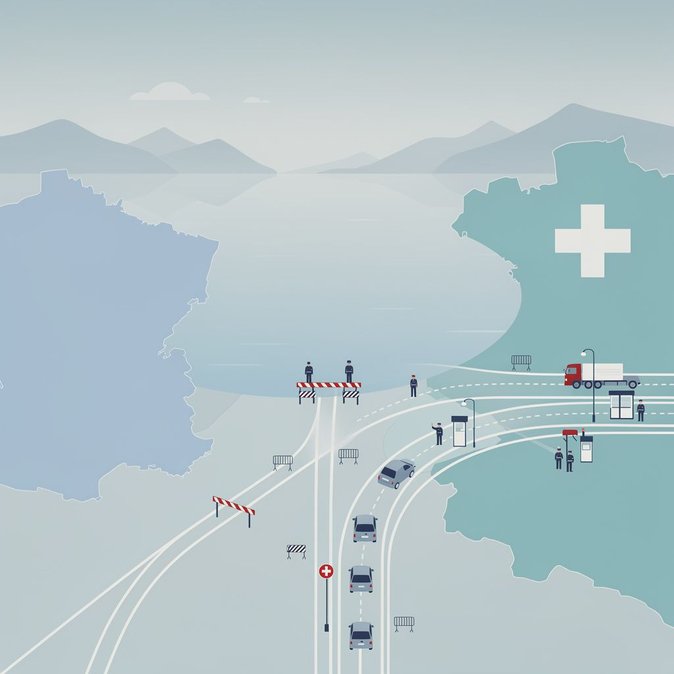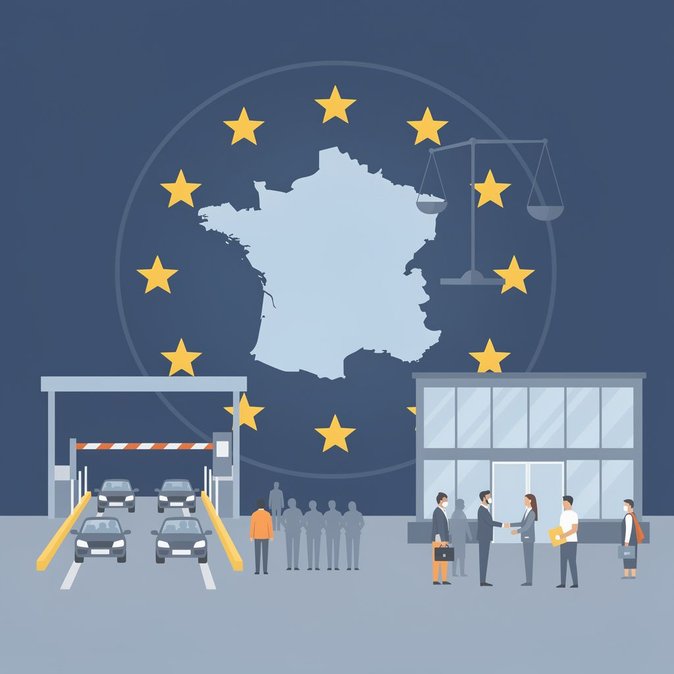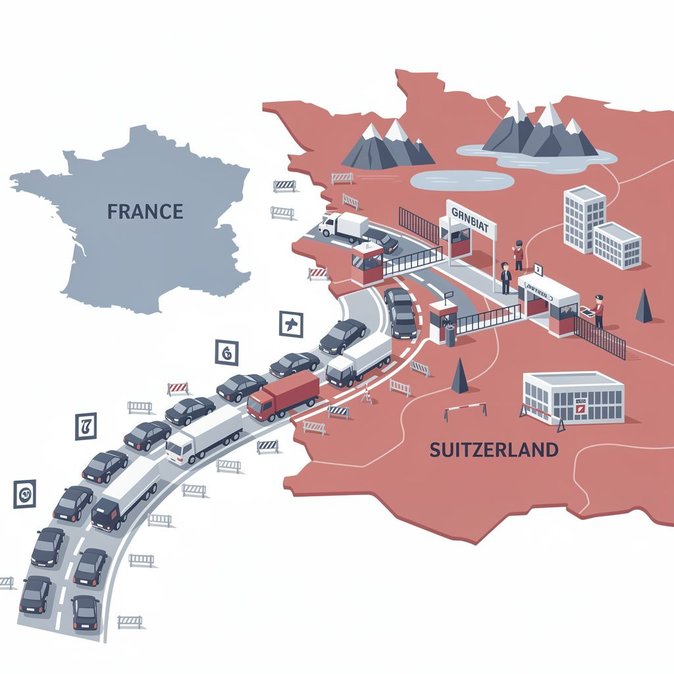
Switzerland’s canton of Geneva shut 25 minor border posts with France on the morning of 12 June, part of an unprecedented security operation for next week’s G7 summit in Évian-les-Bains. Only seven crossing points—including Bardonnex, Ferney-Voltaire and Moillesulaz—remain open 24/7, each with reinforced checks and licence-plate readers. The closures immediately affected thousands of French cross-border workers who commute daily to Geneva’s banking, pharma and aerospace employers. Traffic backed up six kilometres at Bardonnex during the morning peak; public-transport operator TPG diverted several bus lines and urged remote work. Logistics firms such as DHL and Kuehne + Nagel activated contingency routes via the A40 motorway to avoid missed delivery windows.
Travellers and companies unsure about documentation requirements during the summit can quickly verify their needs through VisaHQ, which provides up-to-date visa and travel advisory services for both France and Switzerland. The platform’s France page (https://www.visahq.com/france/) lists entry rules, transit options and can expedite any last-minute paperwork, helping cross-border staff and visitors stay compliant even amid temporary restrictions.
French authorities on the Haute-Savoie side have issued a digital “Pass G7” that residents and accredited suppliers must show to enter the red and blue security zones around Évian’s lakefront. The pass will also be required for drivers using the D1005 lakeshore road from 14–19 June, meaning corporate shuttle services need to pre-register vehicles and passengers well in advance. For global mobility managers, the key risk is employee lateness or refusal of entry at temporary checkpoints. Companies should distribute Geneva Police’s interactive map of open crossings and offer hotel accommodation on the Swiss side for critical staff during the summit. Air travellers should note that Geneva Airport remains open, but extra ID checks may extend arrival times. Border normalisation is scheduled for 19 June, but local officials warn the timeline may slip if protests erupt. Businesses with time-critical trade—fresh pharma supplies, watch components, or conference equipment—are advised to reroute via Basel-Mulhouse or Lyon Saint-Exupéry where possible.
Travellers and companies unsure about documentation requirements during the summit can quickly verify their needs through VisaHQ, which provides up-to-date visa and travel advisory services for both France and Switzerland. The platform’s France page (https://www.visahq.com/france/) lists entry rules, transit options and can expedite any last-minute paperwork, helping cross-border staff and visitors stay compliant even amid temporary restrictions.
French authorities on the Haute-Savoie side have issued a digital “Pass G7” that residents and accredited suppliers must show to enter the red and blue security zones around Évian’s lakefront. The pass will also be required for drivers using the D1005 lakeshore road from 14–19 June, meaning corporate shuttle services need to pre-register vehicles and passengers well in advance. For global mobility managers, the key risk is employee lateness or refusal of entry at temporary checkpoints. Companies should distribute Geneva Police’s interactive map of open crossings and offer hotel accommodation on the Swiss side for critical staff during the summit. Air travellers should note that Geneva Airport remains open, but extra ID checks may extend arrival times. Border normalisation is scheduled for 19 June, but local officials warn the timeline may slip if protests erupt. Businesses with time-critical trade—fresh pharma supplies, watch components, or conference equipment—are advised to reroute via Basel-Mulhouse or Lyon Saint-Exupéry where possible.