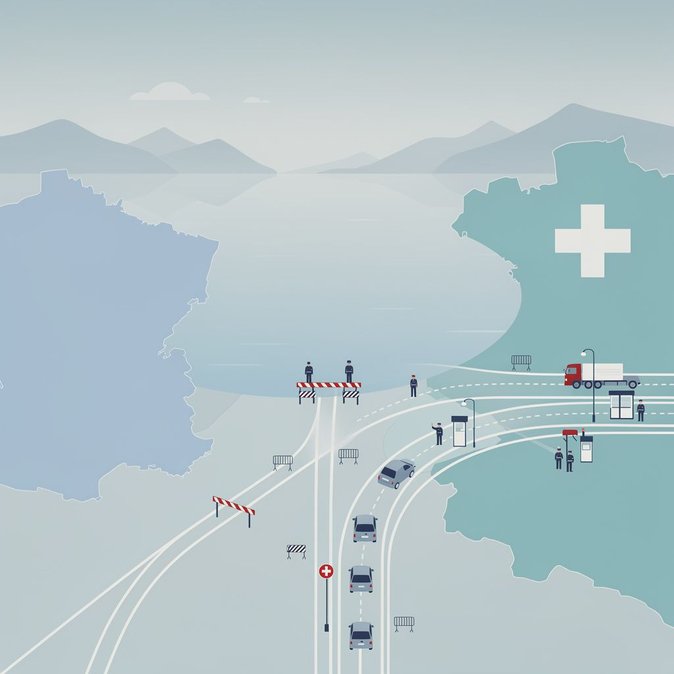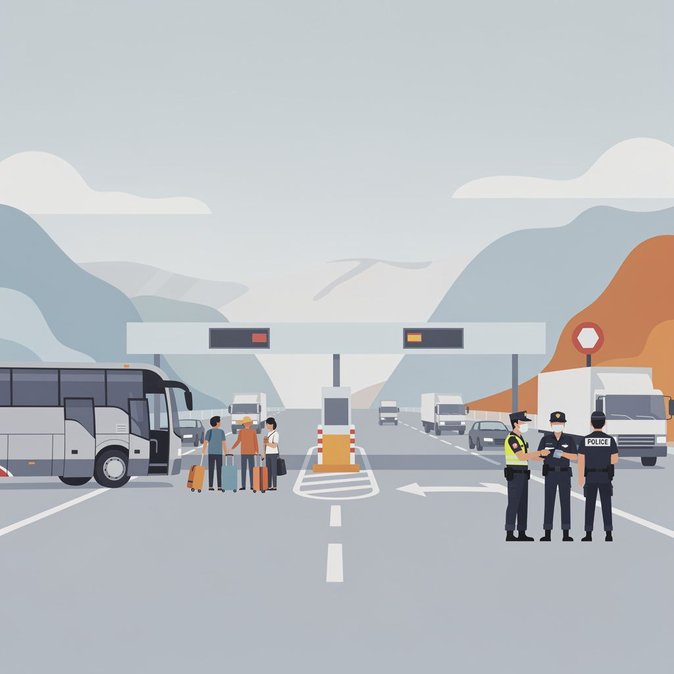
While the EU pact is largely procedural, its effects were immediately visible on the ground. TF1 cameras on 12 June filmed queues of coaches at Cerbère, the main coastal crossing between Catalonia and Occitanie. Border officers checked passports on Spanish coaches that would normally roll straight through the Schengen frontier. Fifteen additional gendarmes have been seconded to the post for the summer, and a mobile fingerprint unit is parked next to the N-260 slip road. Officials told reporters that the stepped-up checks are intended to identify people who received rapid-processing decisions in Spain and attempt to continue north. Under the pact’s new “solidarity return” clause, such travellers can be transferred back within five days. The French Interior Ministry said the focus is organised smuggling rings using buses and ride-sharing platforms popular with seasonal workers. Business travellers driving between Perpignan and Barcelona should expect 15- to 30-minute delays this week, especially during the morning freight window. Logistics firms have been advised to reschedule just-in-time shipments of fresh produce and medical supplies. Rail services on the LGV Perpignan–Figueres line remain unaffected for now, but SNCF Réseau warned that spot ID checks may take place on board. Local tourism operators fear a repeat of Easter 2026, when ad-hoc controls added an hour to coastal traffic. The prefecture argues that targeted checks are preferable to blanket closures. The Interior Ministry said it would review the deployment “after the first fortnight” once data on interceptions and traffic flow are analysed. For mobility managers, the episode is a reminder that even within Schengen, internal controls can be re-introduced at short notice. HR teams with staff shuttling between French and Spanish sites should distribute contingency guidance and ensure non-EU employees carry residence cards as well as passports.
Source: TF1 Info