Sinn Féin TD Slams EU Migration Pact as Ireland Implements New Asylum Rules
Cross-Border Protests Force Suspension of Dublin–Belfast Aircoach Services
Ireland Implements International Protection Act 2026, Overhauling Asylum System
Latest News

EU Pact on Migration and Asylum takes effect: what changes for Ireland’s protection regime?
The EU’s Migration & Asylum Pact is now live. Ireland must apply common EU screening and three-month border-procedure deadlines, contribute to a new solidarity relocation pool and align data systems with EUAA tools. The changes aim to cut processing times and share responsibility but raise political debate and potential accommodation pressures.

Biometrics, Fingerprints and New Deadlines: How Ireland’s EU-Aligned Asylum Screening Will Work
New Department of Justice guidance shows that every asylum seeker will now give fingerprints and a facial image on day one, that low-recognition-rate nationals face a 12-week border procedure, and that appeals timelines have been cut to three months. Employers may see faster work-permission grants but also swifter removals, making workforce planning more complex.

EU Pact on Migration and Asylum Enters into Application; Ireland Confirms Opt-In Measures
The EU Migration and Asylum Pact became operational on 12 June. Ireland—though outside Schengen—will apply key elements, including new screening procedures and the forthcoming ETA-EU for short-stay visitors. Businesses must prepare for additional travel-authorisation steps and carrier liability rules, while airports race to integrate biometric systems.
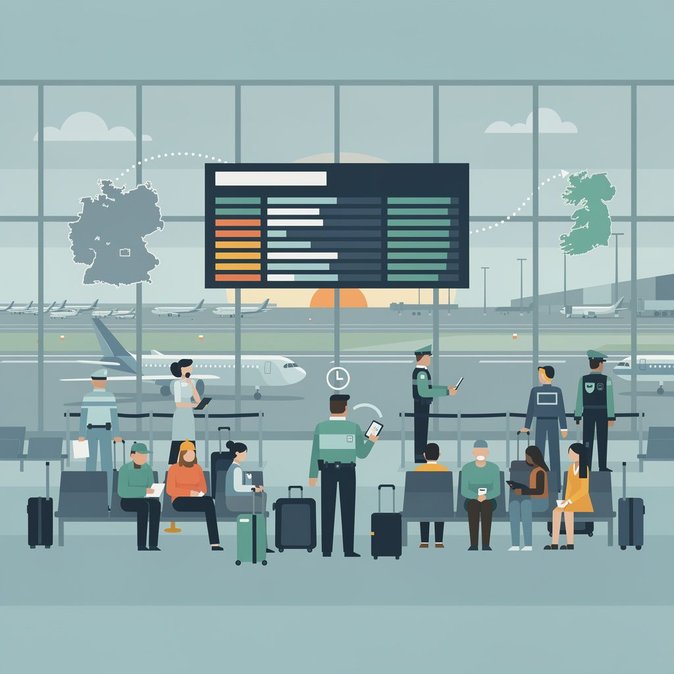
Hamburg Airport Evacuation Causes Knock-On Delays for Dublin Flights
A security evacuation at Hamburg Airport on 12 June delayed multiple German flights system-wide, causing knock-on delays to and from Dublin. Travellers should check flight status and build in contingency time for onward connections.

Ireland’s International Protection Act 2026 Comes Into Force, Overhauling Asylum System
Ireland activated the International Protection Act 2026 today, introducing biometric screening at the border, faster case-handling tracks, a new appeals tribunal and tougher family-reunification thresholds. The reform seeks to align Irish asylum rules with the EU Migration Pact and cut accommodation costs, but employers and NGOs are assessing how the accelerated timelines and stricter reunification rules will play out in practice.

Ireland Brings International Protection Act 2026 into Force, Overhauling Asylum Procedures
The International Protection Act 2026 took effect on 12 June, introducing a single accelerated asylum procedure, strict decision deadlines and a new Tribunal for Asylum and Returns Appeals. The overhaul is designed to align Ireland with the EU Pact on Migration and Asylum and to cut the current backlog, with potential benefits for employers who rely on timely residence decisions. NGOs welcome greater resources but caution that speed must not undermine fairness.
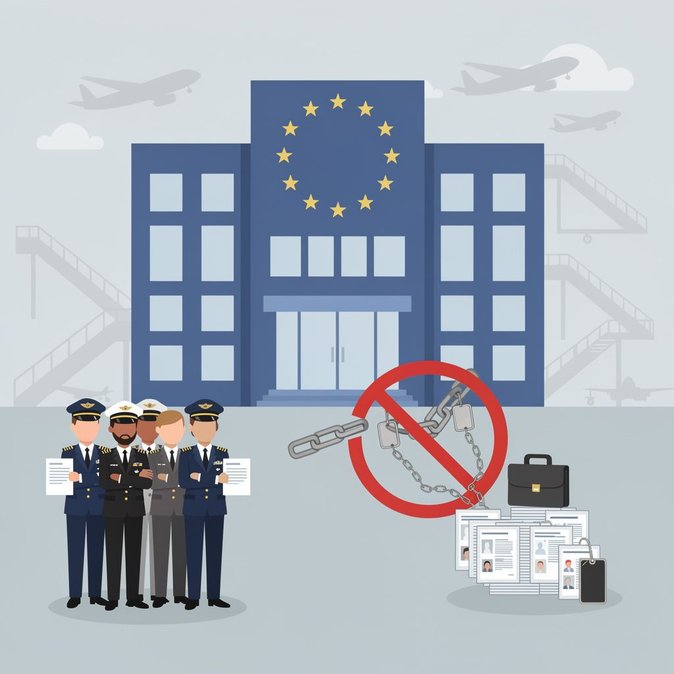
European Cockpit Association Targets ‘Crew-Hiring Loophole’ Used by Ryanair and Others
Pilot union ECA will ask the European Commission to ban airlines from hiring flight crew through third-party agencies, a model used by Ryanair. Closing the ‘loophole’ could raise labour costs for Irish carriers and potentially affect fares and capacity, so travel managers should track developments.
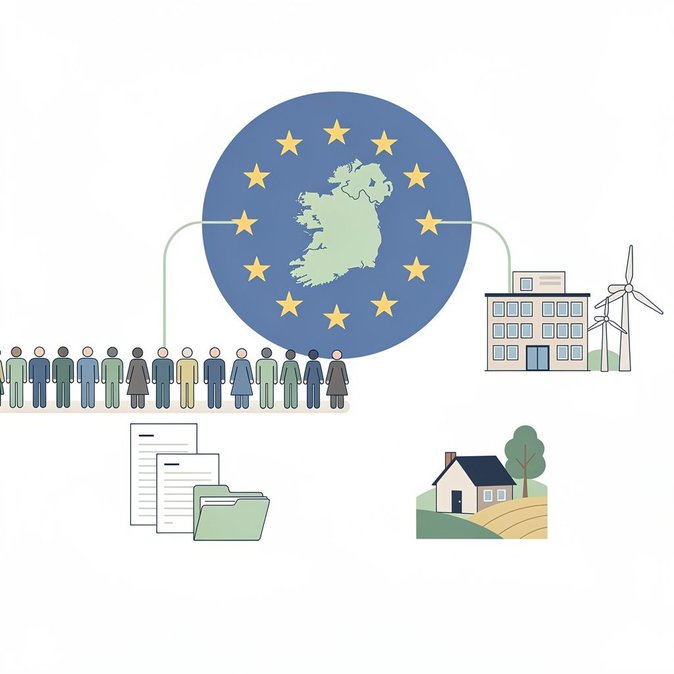
Fine Gael TD Calls EU Migration Pact a ‘Game-Changer’ for Ireland’s Asylum Backlog
Fine Gael’s David Maxwell says opting into the EU Migration Pact will cut Ireland’s asylum backlog, lower accommodation costs and align Irish practice with EU partners. He argues the move benefits business and rural communities, setting up a clear contrast with opposition critics.

Sinn Féin Warns EU Pact ‘Hands Over Powers’ as Appeals Backlog Hits Record 20,000
Sinn Féin’s Matt Carthy claims opting into the EU Migration Pact surrenders decision-making to Brussels and fails to address Ireland’s record 20,000-plus asylum appeals backlog. The comments highlight ongoing political division and uncertainty that global-mobility managers must watch.

UK plans tougher immigration enforcement on Irish border after Belfast unrest
In the wake of Belfast riots, London will deploy extra teams to detect undocumented migrants using land and sea crossings between Britain and Ireland. While fixed checkpoints are ruled out, targeted CTA operations could slow passenger and freight movements, prompting Irish businesses to review contingency plans.
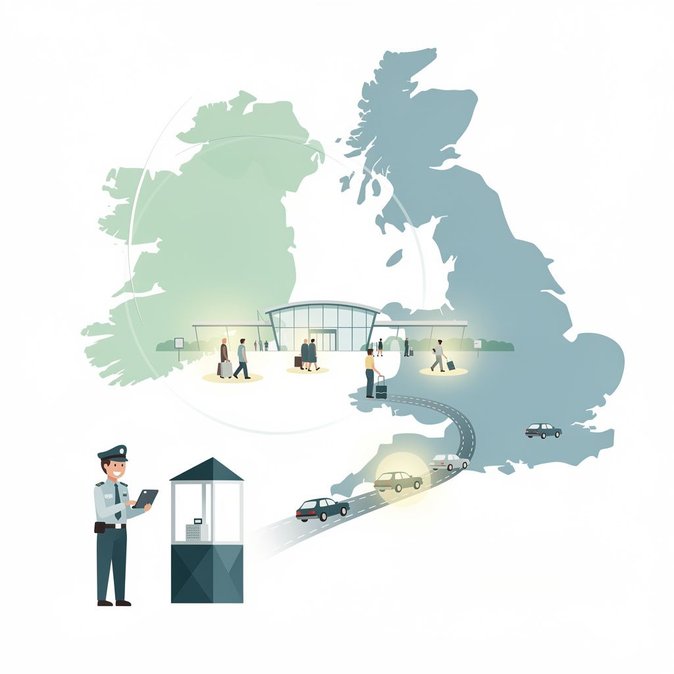
Dublin, London and Stormont vow joint action to curb ‘abuse’ of Common Travel Area
Irish, UK and Northern Ireland justice ministers have pledged tighter but still invisible CTA controls, including more spot checks at Dublin Airport and along cross-border routes. The move seeks to reassure the public after Belfast violence while keeping business and commuter flows intact.

New AIDA report highlights 2025 trends and challenges in Ireland’s asylum system
ECRE’s 2025 AIDA report on Ireland charts long processing times, reception-capacity crises and policy pilots that foreshadow today’s EU Pact reforms. It signals workforce opportunities from temporary-protection holders but flags legal risks if reception conditions remain sub-standard.

MRCI warns employers against sacking staff waiting for IRP renewal
An MRCI bulletin reminds employers that workers awaiting IRP card renewals have a statutory 12-week grace period to keep working. Dismissing them can trigger unfair-dismissal awards, underlining the need for robust HR checks as renewal backlogs persist.

Dublin Airport completes multi-year food-and-beverage overhaul to meet record passenger volumes
Dublin Airport has finished a €multi-million refresh of its 50 F&B outlets, increasing capacity and satisfaction ahead of record summer traffic and forthcoming EU EES checks. Travellers — including relocating staff and assignees — can expect faster service, more seating and a wider cuisine mix.
UK Competition Authority Probes Ryanair for Charging Parents to Sit with Children
The UK CMA is investigating Ryanair’s practice of charging families to sit together, with possible fines and mandatory policy changes. Any outcome will affect Irish customers and could lower ancillary costs for both leisure and corporate travellers.