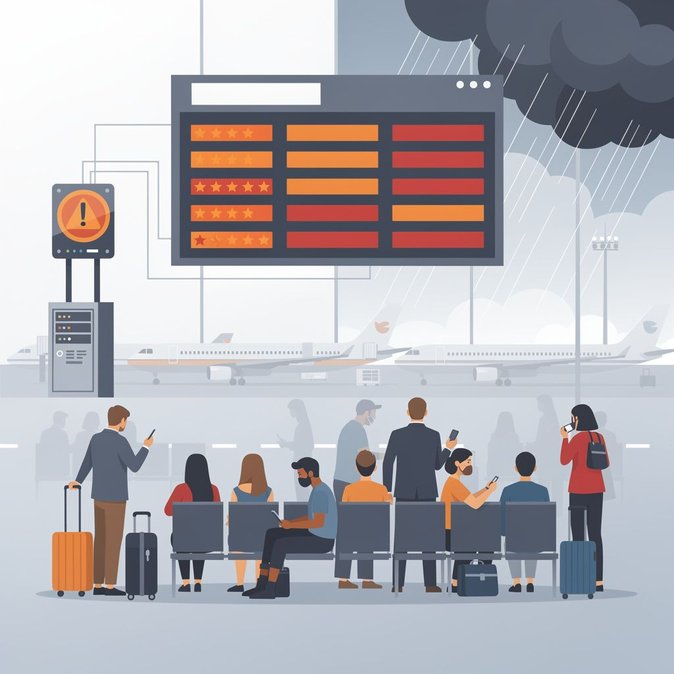
Thousands of passengers were stranded on 12 June as a wave of cancellations and multi-hour delays hit Qantas and its low-cost arm Jetstar across Sydney, Melbourne, Brisbane and key trans-Tasman routes. Travel site The Traveler attributes the disruption to a perfect storm of crew shortages, IT glitches and winter weather bottlenecks. Independent FlightAware data cited in the report show more than 50 cancelled services and hundreds running late within a 24-hour window. Regional airports such as Adelaide felt outsized pain as sparse schedules left few re-accommodation options.
For international passengers caught up in the chaos, VisaHQ (https://www.visahq.com/australia/) can at least remove one stressor: travel documents. The service’s easy online tools and real-time status updates help travelers secure, rush, or amend visas on short notice—handy if last-minute reroutes or extended hotel stays become unavoidable when flights melt down.
The latest meltdown renews scrutiny of airline reliability just weeks after the Productivity Commission floated EU-style compensation rules for significant delays. Consumer groups argue that without stronger penalties, airlines lack incentives to invest in operational resilience. Corporate travel managers are advising staff to build buffer time into itineraries, monitor apps for gate changes and keep receipts for potential reimbursement claims. Some multinationals have temporarily shifted critical meetings online rather than risk missed connections. Industry observers predict that persistent punctuality problems could accelerate calls for an independent aviation ombudsman and spur businesses to diversify carrier preferences—even on monopoly regional routes.
For international passengers caught up in the chaos, VisaHQ (https://www.visahq.com/australia/) can at least remove one stressor: travel documents. The service’s easy online tools and real-time status updates help travelers secure, rush, or amend visas on short notice—handy if last-minute reroutes or extended hotel stays become unavoidable when flights melt down.
The latest meltdown renews scrutiny of airline reliability just weeks after the Productivity Commission floated EU-style compensation rules for significant delays. Consumer groups argue that without stronger penalties, airlines lack incentives to invest in operational resilience. Corporate travel managers are advising staff to build buffer time into itineraries, monitor apps for gate changes and keep receipts for potential reimbursement claims. Some multinationals have temporarily shifted critical meetings online rather than risk missed connections. Industry observers predict that persistent punctuality problems could accelerate calls for an independent aviation ombudsman and spur businesses to diversify carrier preferences—even on monopoly regional routes.