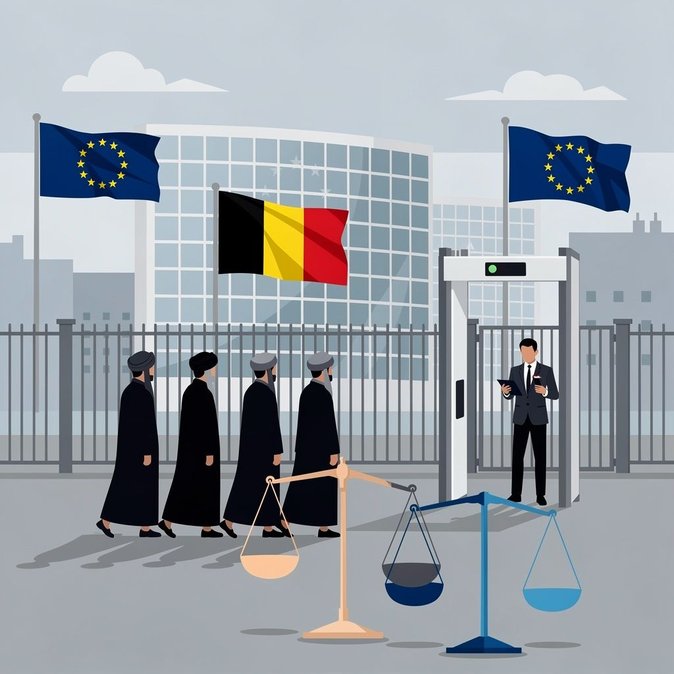
Belgian Foreign Minister Maxime Prévot disclosed on 11 June that his department has received a nominal list of Taliban delegates from the European Commission in preparation for a planned meeting with EU officials in Brussels. Although visas have not yet been requested, Belgium’s State Security Service has begun background checks so that applications, if lodged, can be processed within the tight timelines imposed by the country’s “seat-state” obligations. Under long-standing international-organisation host agreements, Belgium must in principle facilitate access for representatives—irrespective of political recognition—so that EU institutions on its territory can function. The government can, however, refuse visas on national-security grounds. Prévot said any derogation would require “very concrete evidence of threat.” NGOs have criticised the prospective visit, citing the Taliban’s human-rights record. Yet several EU member states, including Belgium, are simultaneously pressing Kabul to readmit Afghan nationals whose asylum claims have been rejected—an objective that may necessitate direct diplomatic engagement. For corporate security and government-affairs teams, the episode is a reminder that high-profile, and potentially controversial, delegations can arrive on short notice, triggering demonstrations and tightened perimeter security around the EU quarter. Employers with offices near Schuman should monitor police notices for temporary road closures that could disrupt staff commuting and client visits. Visa-policy watchers note that Belgium’s handling of the file could set a precedent for future cases involving non-recognised or sanctioned entities seeking access to EU institutions, with implications for the consistency of Schengen visa issuance across the bloc.
Source: The Brussels Times